


Saudi Arabia’s creator economy is moving fast. But the creators who last are the ones who build habits. Nasser Alaqeel is one of the clearest examples of that shift. Someone who turned personal change into a public rhythm people return to. He didn’t just make book content. He made reading feel doable again. And he built a calm, consistent identity around it.
Background and the Turning Point
A clear line runs through Nasser Alaqeel’s journey: life before 2015, and life after it. That year marked a shift from drifting to building. Less fear of failure, more discomfort with wasted time. Even earlier, his independence showed up in practical ways. As a teenager, he took responsibility for his non-essentials, working toward the things he wanted, from a phone to bigger personal goals, because he valued ownership. He carried that mindset into adulthood, working while studying and later stepping into corporate life, where long hours strengthened discipline but also quietly increased the pressure.
By late 2021, that pressure became unsustainable. He was working 12 to 16 hours a day, constantly reachable and rarely resting. At first, he blamed himself and tried to push harder, but his body forced him to slow down. His weekends became periods of complete shutdown, and he began to recognize the cost of constant intensity. Recovery came through reduction. Lowering expectations, reducing workload, and allowing himself to rest. That reset became the foundation for Dupamicaffeine, which emerged not from strategy alone, but from a personal need to rebuild life around balance and sustainable habits.
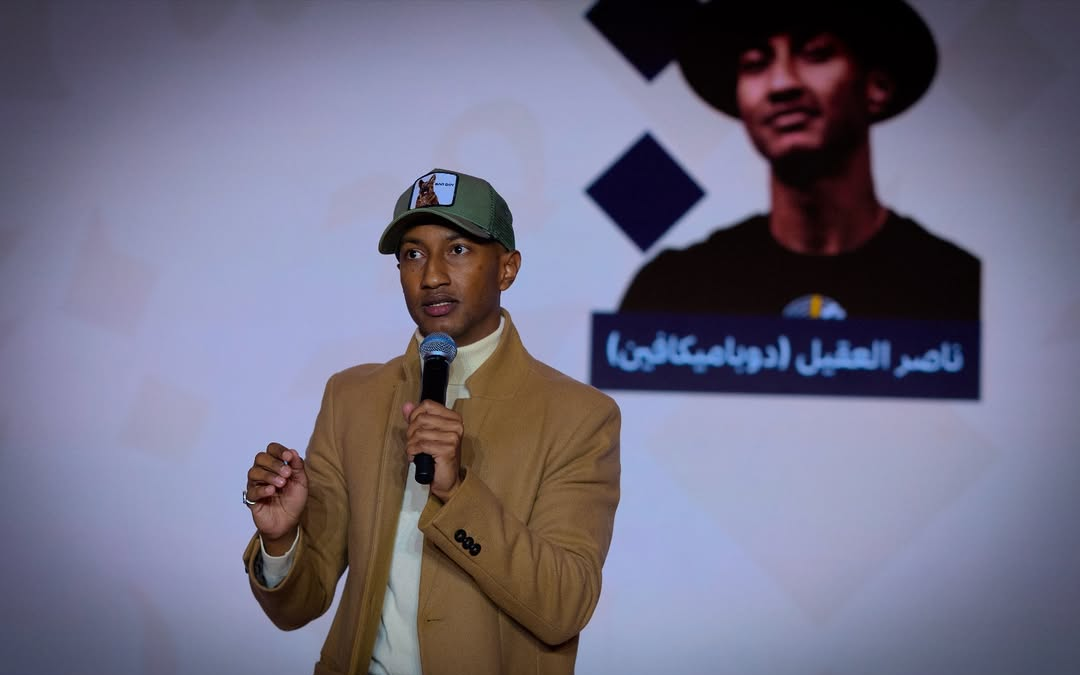
From Creator to Brand Builder
When it comes to books, the usual “formal review” style was never the point. The direction was always simpler and closer to الشباب (youth), something that feels enjoyable, not intimidating. That’s why Dupamicaffeine is presented as a mood more than a lesson: “Coffee, music, and a book.” Each episode lands like a small “dose” of knowledge, light enough to fit into real life, strong enough to leave an idea behind.
With time, the project expanded beyond a single channel into a wider ecosystem that connects content and media with education and experience, built around one consistent purpose: creating positive change by shaping awareness and making reading a lifestyle in Saudi Arabia and across the Arab world. At its core, the ambition isn’t about creating one viral moment. It’s about building a habit people return to day after day.
The Meaning Behind the Name
“Dupamicaffeine” is built on a simple psychological signal: motivation plus alertness. It blends dopamine, a symbol of drive and reward, with caffeine, a symbol of focus and energy. The name communicates the promise in one word: learning can feel energizing. A daily boost, not a heavy burden. That meaning is also reflected in how the project describes the name as a compound of “Dupamine” and “Caffeine.”
The Philosophy: Humility, Not Performance
What stands out in the series is a steady philosophy: learning works best when it’s grounded, honest, and built for the long term. One line he returns to captures the tone: “I remain ignorant as long as I claim I know.” It’s a reminder that certainty can be a trap, and that staying teachable matters more than sounding impressive.
Even when covering mainstream titles like Rich Dad Poor Dad, the framing shifts away from money as the headline and toward mindset as the real point, “it’s not about money… it’s about the way of thinking.” Taken together, these cues suggest a bigger agenda than content cycles: shaping awareness over years, and helping people rebuild their relationship with books through thinking patterns that actually change behavior.

Output and Reach That Support the Mission
Nasser Alaqeel’s reach reflects the strength of his mission. His content has summarized more than 200 scientific and self-development books, making complex ideas accessible to Arabic-speaking audiences. On YouTube, his episode on Rich Dad Poor Dad, has surpassed 9.4 million views, showing the scale of engagement his knowledge-driven format can achieve.
His influence has also been recognized at the regional level. In January 2025, Emirates News Agency named him among the top five finalists for the One Billion Award at the 1 Billion Followers Summit, highlighting his role as founder of Dupamicaffeine and his impact on more than 9 million followers across platforms. This reach represents more than popularity. It shows that Arabic knowledge content can scale widely while staying meaningful and culturally rooted.
Why His Story Lands in Saudi Arabia Right Now
Nasser’s path reflects a bigger national shift. Saudi Arabia is investing in culture, creativity, and a stronger digital economy. In that environment, creators are no longer “just creators.” They can become builders of communities, habits, and value.
What makes Nasser’s story powerful is that it starts from something personal: regret, change, collapse, recovery, and perspective. Then it turns outward. It becomes service. Dupamicaffeine is not built on intensity. It’s built on sustainability. The same lesson his body forced him to learn (slow down, design better, rest) shows up in the product he gives the world: a calmer way to learn.
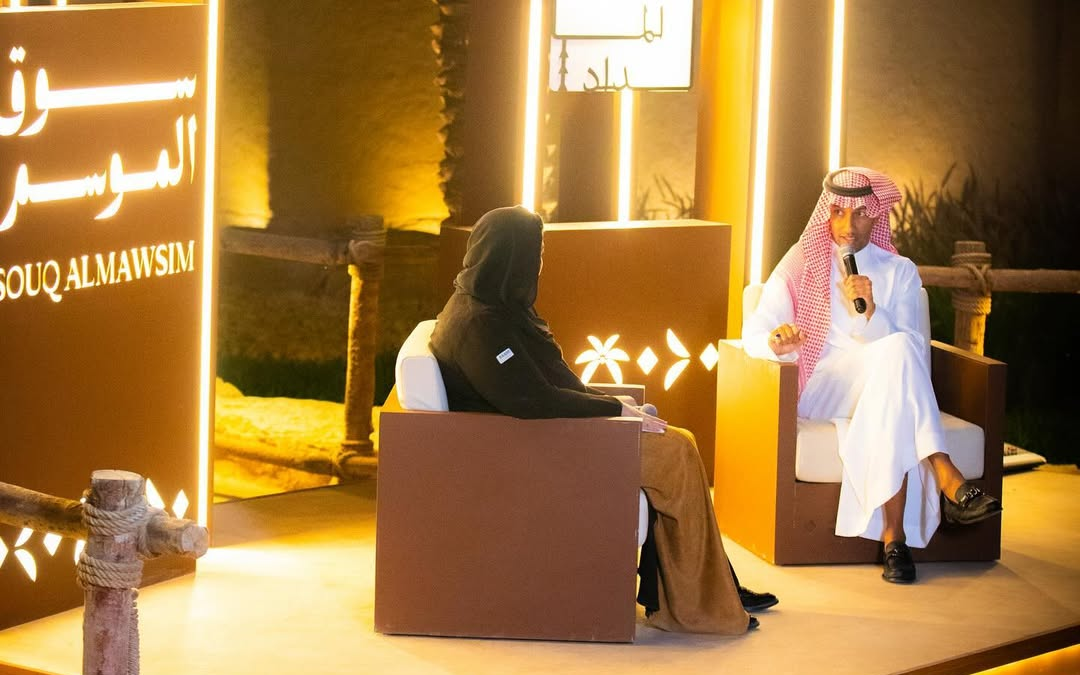
A New Model for Saudi Creators
Nasser Alaqeel represents a Saudi creator model that feels built for the long game. He turned a personal reset into a public routine. He made reading feel modern, light, and repeatable. And he tied his ambition to something bigger than views: raising awareness and shaping how people live with knowledge.
In a Vision 2030 era that rewards talent, discipline, and scalable creativity, his story sends a quiet message to the youth: you can rebuild yourself, and you can build something that helps others rebuild too.
Follow Nasser Alaqeel's journey on X, Instagram, Snapchat, and YouTube.


