


Haifaa Al-Mansour reshaped global cinema from the inside out. By framing a national narrative around a young girl’s simple dream of owning a green bicycle, she did more than introduce the world to Saudi storytelling, she expanded the boundaries of what Saudi audiences thought possible within their own lives. As the Kingdom’s first female filmmaker, Al-Mansour’s path bridges Arab and Western creative worlds. Her early documentary Women Without Shadows galvanized a new generation of local independent directors, while her masterwork Wadjda made history as the first feature film shot entirely within the Kingdom.
Yet her enduring influence goes far beyond the novelty of being first. Her true impact lies in her method: navigating complex social landscapes with deep cultural fluency, women’s empowerment, and a bold creative voice that honors her roots while firmly opening doors for the future.
Foundations and Beginnings of a Creative Legacy
Haifa Al-Mansour grew up in Saudi Arabia during a time when filmmaking was not a clear or easy career choice, especially for women. However, art and imagination were always close to her. Her father, the beloved poet Abdul Rahman Mansour, encouraged creativity throughout the household. Books, cinema, and everyday observation became her world. This foundation shaped her artistic style. Her movies feel deeply personal because they are built from small, daily details:
- The quiet echo of a school hallway
- A private conversation between mothers and daughters
- The dusty road leading to a local health clinic
- A child staring longingly at a toy shop window
Al-Mansour understands that a society is not shaped only by large, political decisions. It is shaped by everyday moments. Her greatest strength is empathy. She shows social pressure without creating simple villains, and she champions progress without mocking tradition. By inviting the audience to share her characters' journeys rather than confronting them, Haifa Al-Mansour achieves a unique balance: she opens doors for the future without destroying the foundations of her heritage.
Voice & Vision: Women Beyond Stereotypes
Across Haifa Al-Mansour’s expanding filmography, one major theme always returns: women searching for agency and room to grow. Her characters are beautifully human. They are not perfect symbols; they are realistic individuals navigating specific cultural systems. Al-Mansour loves strong female protagonists, but she never makes their strength look easy. Her characters experience self-doubt, face rigid rules, make mistakes, and are often underestimated. Yet, they continue to move forward. This resilience is the emotional heart of her cinema.
“There are so many men who want to take every piece of the pie. We need to be sure, in that landscape, that women have a place to succeed in a field that’s becoming more competitive. We need female Saudi voices in this conversation now more than ever.”
Awards, Milestones, and Recognition
Every step of Haifa Al-Mansour's career has been marked by major milestones, prestigious festival selections, and international award wins that have permanently elevated Arab cinema on the world stage.
1. Women Without Shadows (2005): The Early Spark
Before making global headlines, Al-Mansour directed Women Without Shadows, a documentary exploring the interior lives of women in the Gulf region. The film acted as a major catalyst for independent storytelling in the region. It established her career-long goal: to look closely at women's realities, not to create scandal, but to create deep, cross-generational understanding. It was highly celebrated on the festival circuit, winning the Golden Dagger for Best Documentary at the Muscat Film Festival.
2. Wadjda (2012): A Bicycle Makes History
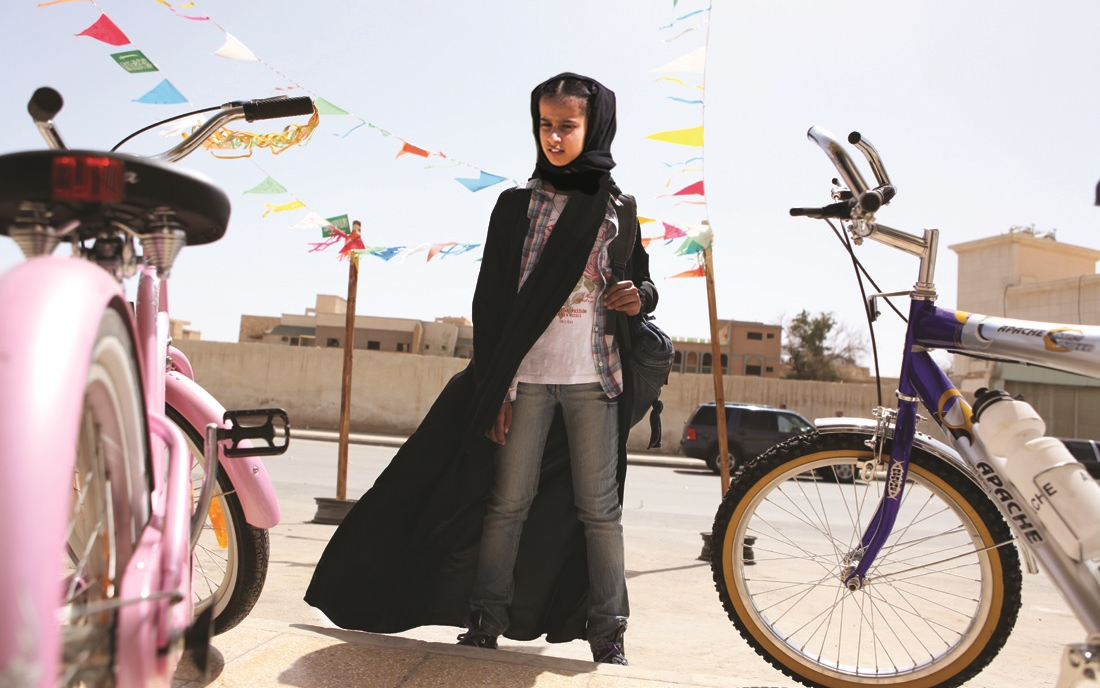
Wadjda turned Al-Mansour into a household name worldwide. The film tells the story of a spirited young girl in Riyadh who wants to buy a green bicycle. While the dream seems simple, its meaning is vast. The bicycle becomes a moving symbol of freedom, confidence, and self-reliance. The production itself became a historic triumph. It was the first feature-length film shot entirely in Saudi Arabia, the first made by a female Saudi director, and the Kingdom’s very first submission to the Academy Awards.
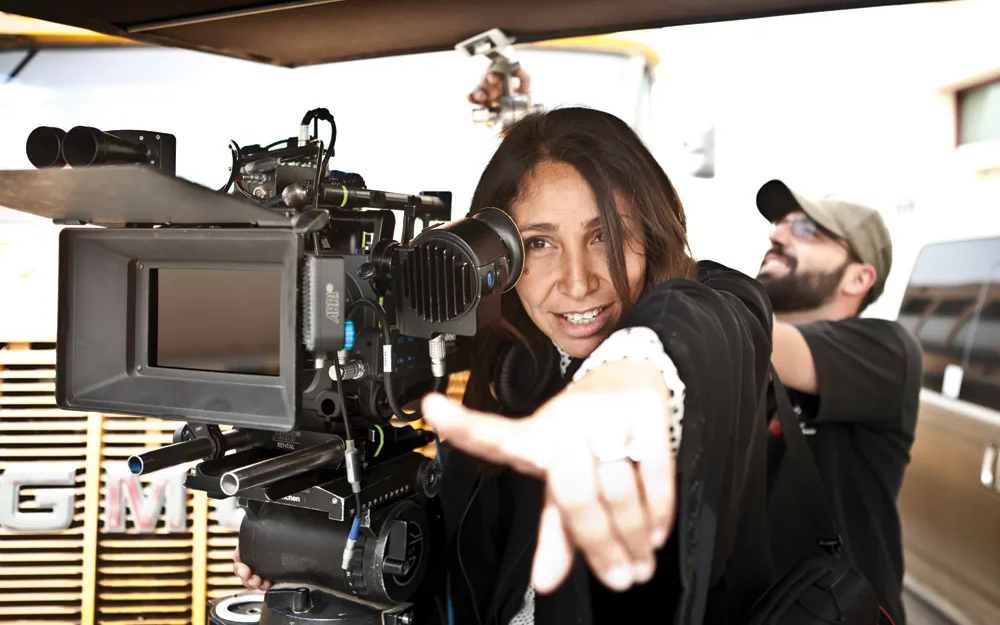
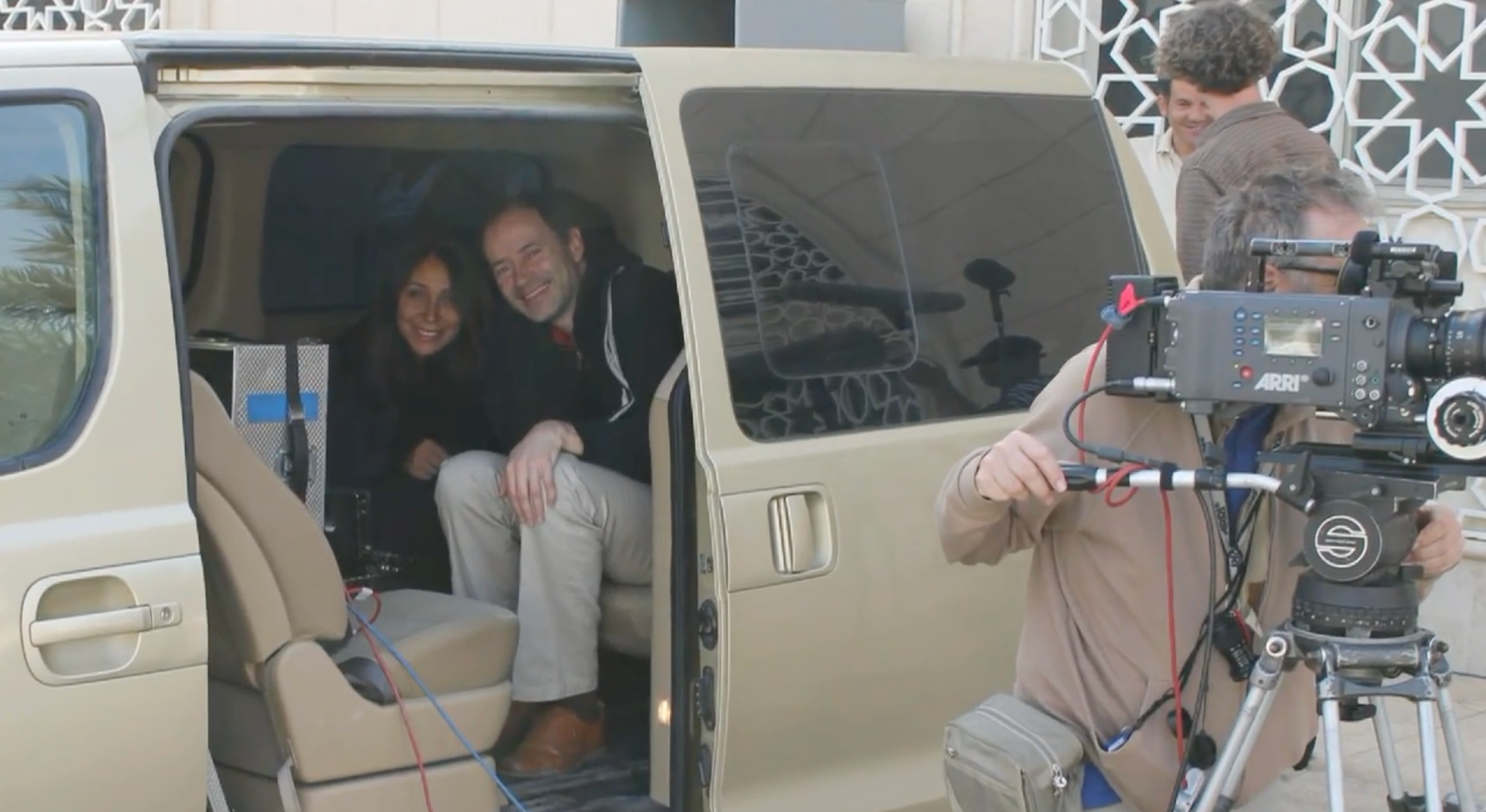
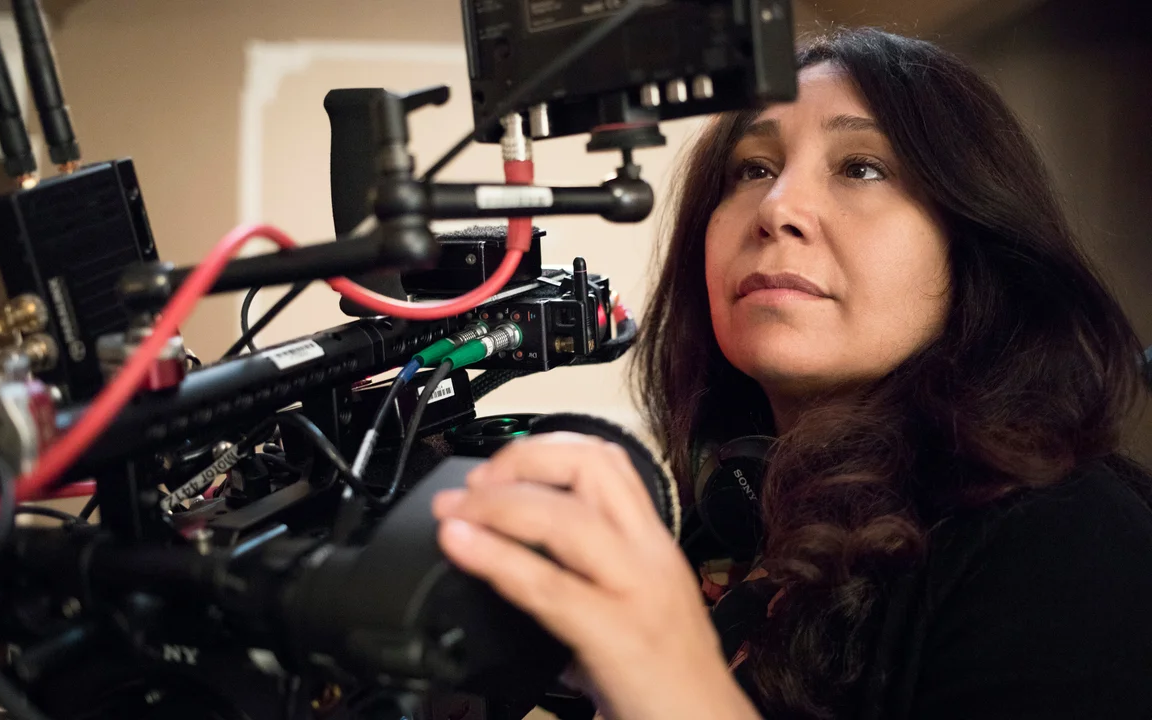
During the shoot, Al-Mansour famously had to direct several public scenes from inside a van using a monitor and a walkie-talkie due to social segregation practices of that era. That image remains unforgettable: a director physically confined by old rules, but creatively leading her country into a new artistic era. The frame was restricted, but her vision was completely free.
The film achieved monumental international success, earning a prestigious BAFTA nomination for Best Film Not in the English Language, sweeping three major parallel awards at its Venice Film Festival premiere, and winning the National Board of Review Freedom of Expression Award.
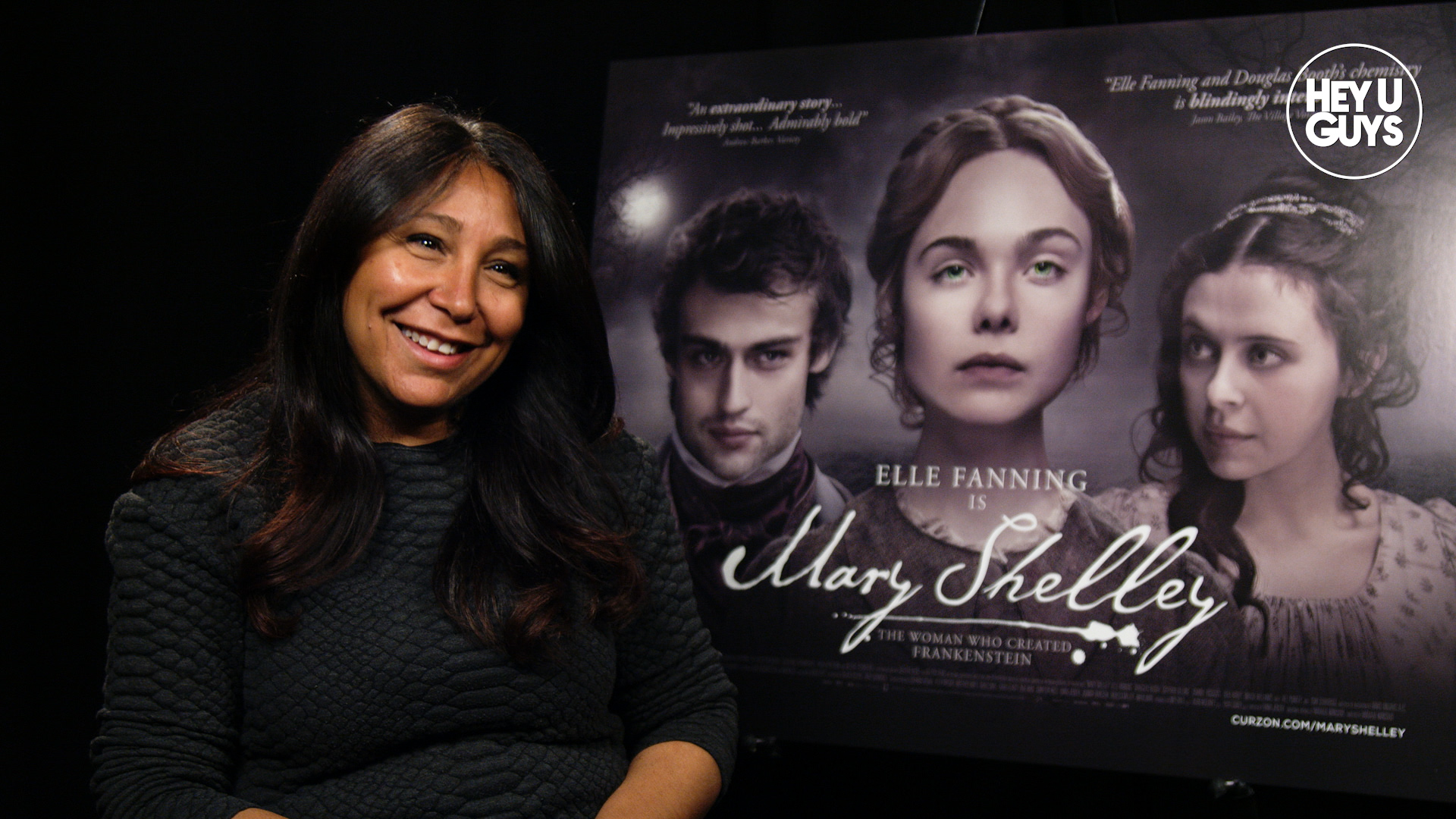
3. Mary Shelley (2017): A Universal Struggle
At first, a Saudi director making a period drama about the British author of Frankenstein might seem surprising. Emotionally, however, it makes perfect sense. Mary Shelley lived in a male-dominated literary world where her authorship was questioned and her imagination was doubted.
Haifa Al-Mansour saw powerful parallels between Mary Shelley’s 19th-century struggles and her own experiences as a pioneering Arab filmmaker. The film made its high-profile debut at the Toronto International Film Festival and was nominated for the Audience Award at the Edinburgh International Film Festival, asking the universal question: What happens when a woman creates something historic, and the world refuses to believe it came from her?
4. Nappily Ever After (2018): True Identity
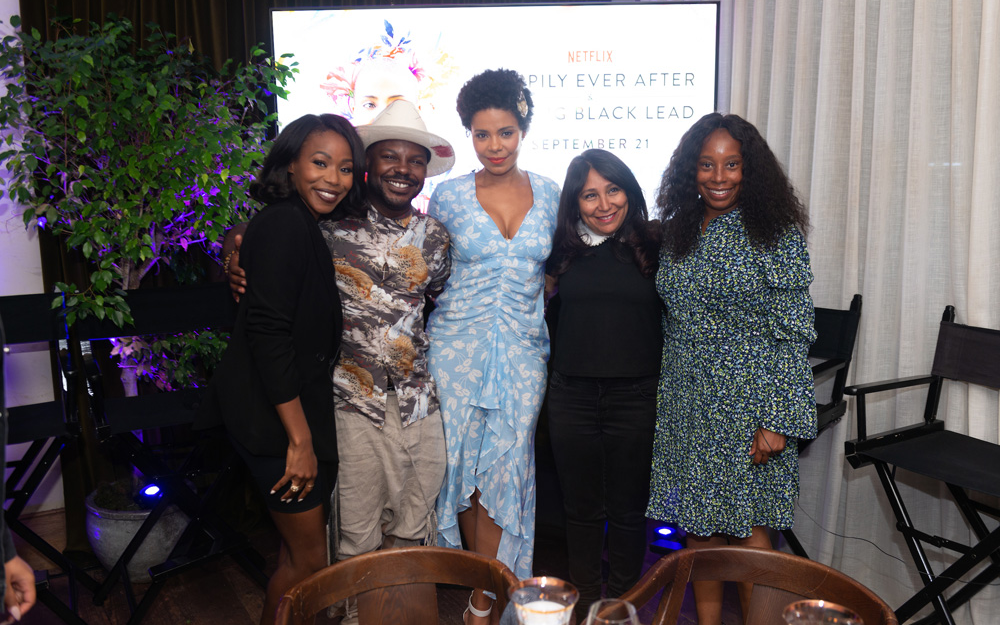
With the global Netflix release Nappily Ever After, Haifa Al-Mansour brought her talent to an American story. The film follows a Black woman who re-examines societal beauty standards by shaving her hair. While the movie centers on appearance, it is fundamentally about autonomy, control, and learning to live for one's own truth rather than the approval of others, receiving strong praise from critics for its sharp, feminist perspective.
5. The Perfect Candidate (2019): Embracing Civic Leadership
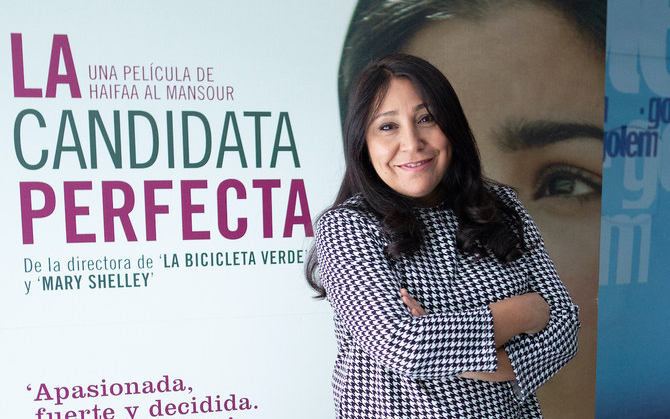
Returning to her homeland, Haifa Al-Mansour directed The Perfect Candidate. The narrative follows a dedicated Saudi female doctor who runs for local municipal office simply because she wants to fix the damaged road leading to her clinic.
The story reflects the rapid social reforms of modern Saudi Arabia. Instead of using loud, political speeches, Al-Mansour shows a practical woman trying to solve a local community problem. Through that everyday ambition, a larger story of national change unfolds. The film made history as the first Saudi film ever selected to compete for the prestigious Golden Lion at the Venice Film Festival, where it won the Brian Award, before being selected as Saudi Arabia's official submission to the 92nd Academy Awards.
6. Unidentified (2026): A Bold New Chapter
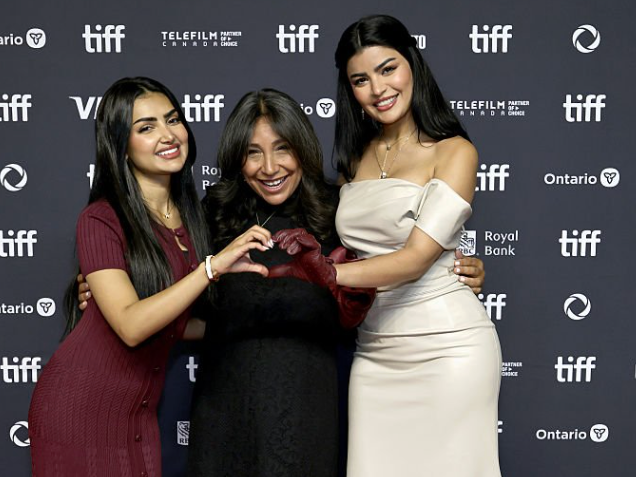
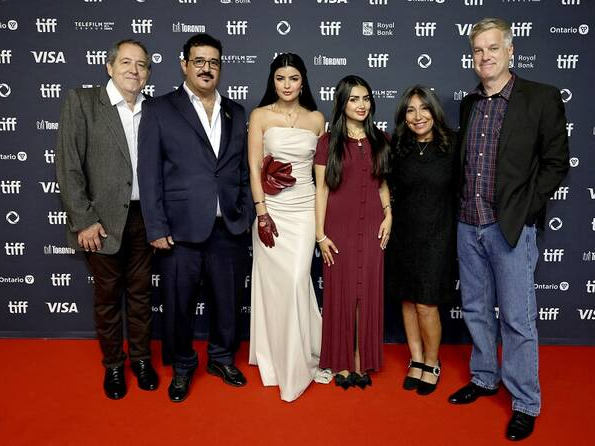
Proving that she is always evolving, Haifa Al-Mansour recently moved into mystery and suspense territory with her latest feature, Unidentified. Having just made its highly anticipated world premiere in the Spotlight Narrative section at the 2026 Tribeca Film Festival, the film has been acquired by Sony Pictures Classics for global distribution.
Starring Mila Al-Zahrani, the film follows a female police administrator who uncovers systemic truths while investigating an unidentified woman found in the desert. Critics have widely praised the film's "bombshell revelation" final twist and its sharp commentary on modern female identity, proving that Al-Mansour refuses to repeat a single formula as she continues to redefine Saudi cinema.
7. Hollywood Television: Archive 81 & Tales of the Walking Dead
Beyond her landmark feature films, Haifa Al-Mansour has quietly built a reputation as one of Hollywood's most trusted episodic television directors. She successfully stepped into major, mainstream American genre television, directing two pivotal episodes of Netflix's hit supernatural thriller Archive 81 (2022) and the highly acclaimed "Amy / Dr. Everett" episode of AMC’s Tales of the Walking Dead (2022).
These projects marked an important creative shift into horror, sci-fi, and suspense. Her work on these major Western streaming and cable shows proved that her sharp eye for tension and character development translates perfectly across any global platform or genre.
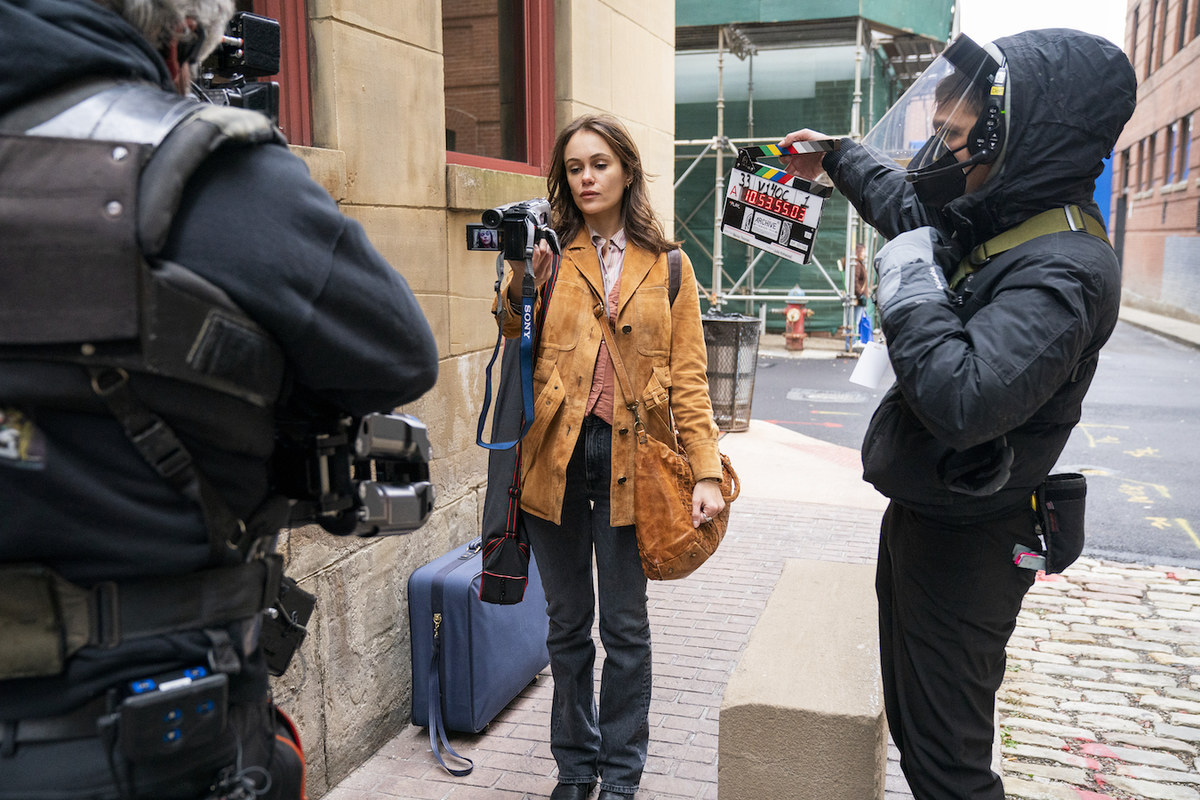
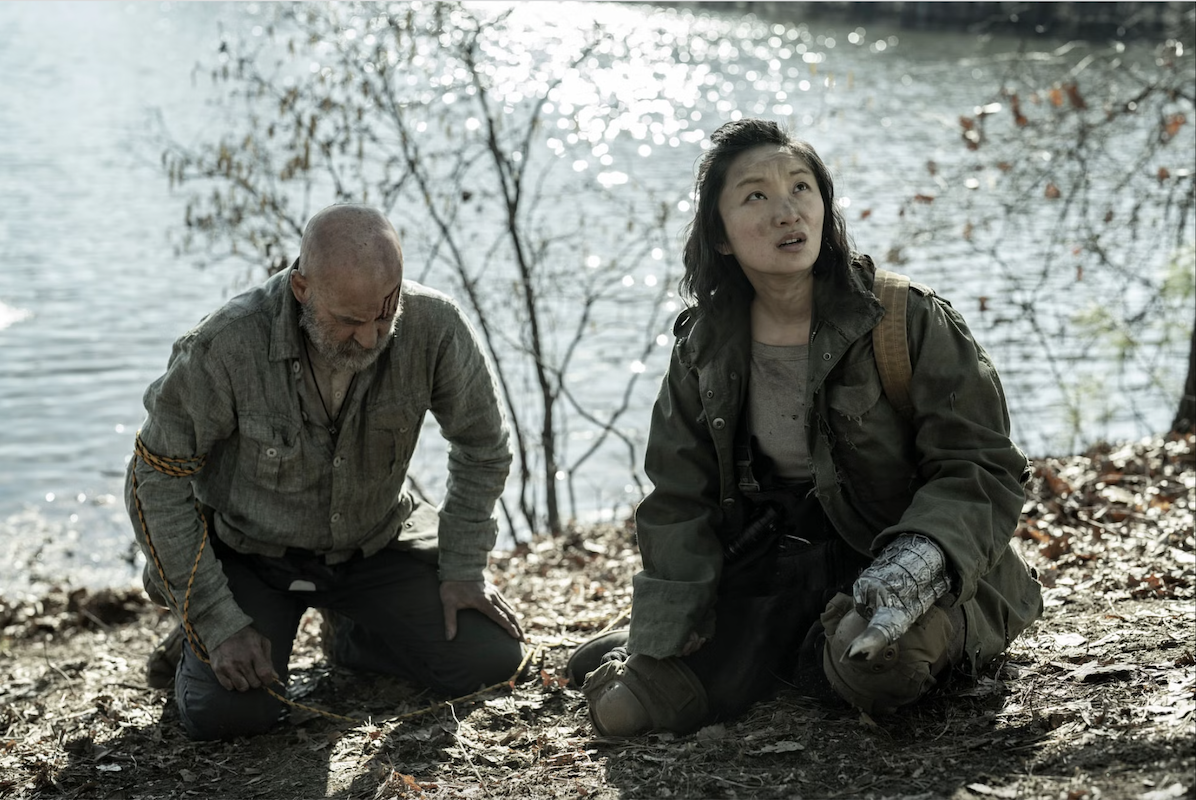
Scenes from Archive 81 and AMC’s Tales of the Walking Dead directed by Haifaa Al-Mansour.
Leadership Without Aggression
"Pioneering is not about shouting; it is about doing the work with patience, excellence, and a calm belief in the future."
This quote by Haifa Al-Mansour captures the reality of all true pioneers. Some people celebrate change, while others fear it. Al-Mansour understands both sides. Her leadership style is never aggressive; it is calm, steady, and purposeful. She lets the excellence of her work do the talking, a trait that earned her the prestigious Crystal Award at the World Economic Forum in Davos for her leadership in cultural transformation.
Global Recognition and National Honors
Haifa Al-Mansour’s achievements are now an unforgettable part of global and regional film history. Over the last few years, her institutional impact has reached historic heights:
- Academy Leadership (2025): The Academy of Motion Picture Arts and Sciences elected her as a Governor-at-Large for the Directors Branch, a historic three-year leadership position within the organization behind the Oscars.
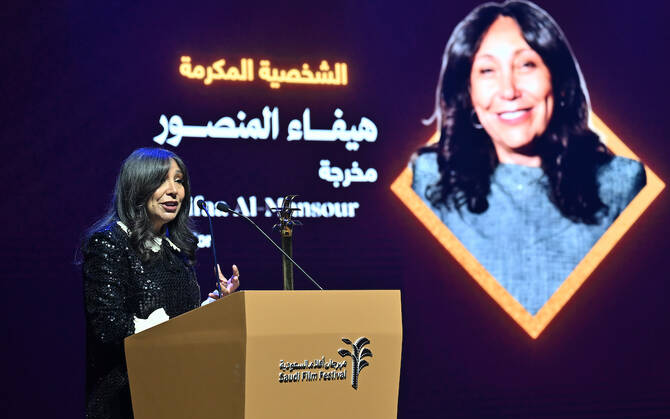
- Pioneer Honors (2026): She was chosen to receive the Special Pioneer Honor at the 12th Saudi Film Festival at Ithra in Dhahran.
This local recognition carries deep meaning. It shows that Al-Mansour is not just a celebrated name in international film capitals like Cannes or Venice, she is officially honored at home as a foundational architect of Saudi Arabia's cultural renaissance.
Cultural Influence
Haifa Al-Mansour once described Saudi Arabia as a society in motion. Today, that motion is clear for everyone to see. Local films are traveling to international festivals, cinemas are thriving across the country, and a new generation of Saudi women is actively directing, acting, producing, and writing. This cultural blooming aligns perfectly with the spirit of Saudi Vision 2030. The nation's transformation is not just measured by new infrastructure, economic growth, or box office numbers. It is also measured by our storytelling. Haifaa Al-Mansour did not wait for the perfect conditions to create art; she made her own path.
To stay updated on her historic journey and upcoming film projects, follow Haifaa Al-Mansour on X and Instagram.


