


Tareq Al-Harbi is no longer just one of the early faces of Saudi social media. He is now a multi-platform Saudi entertainer whose influence reaches comedy, music, acting, theatre, production, business, and regional Arab audiences. After early years on platforms such as Keek Social and Instagram, his sketches helped him become one of the most recognizable Saudi digital personalities of the 2010s. Over time, he expanded beyond social media into music, stand-up comedy, theatre, television, film, brand work, business, and investment.
Known for his character work, dialect comedy, and ability to move across formats, Tareq represents a generation of Saudi creators who helped shape the Kingdom’s modern entertainment and influencer economy.
From Corporate Worker to Internet Star
Before Tareq Al-Harbi became one of Saudi Arabia’s most recognizable digital entertainers, his life looked very different. He studied in an electrical institute in Riyadh, and his early goal was not fame. It was stability. He wanted a secure job in Riyadh, close to home, with a clear path forward.
That path led him to the Saudi Electricity Company, where he worked for around six years. At the time, social media was not yet seen as a serious career. Tareq was posting videos, experimenting with characters, and making people laugh online, but he was still living the life of a regular employee. The turning point came when those short sketches began to travel beyond his own account. What started as a side passion slowly became something bigger than a hobby.
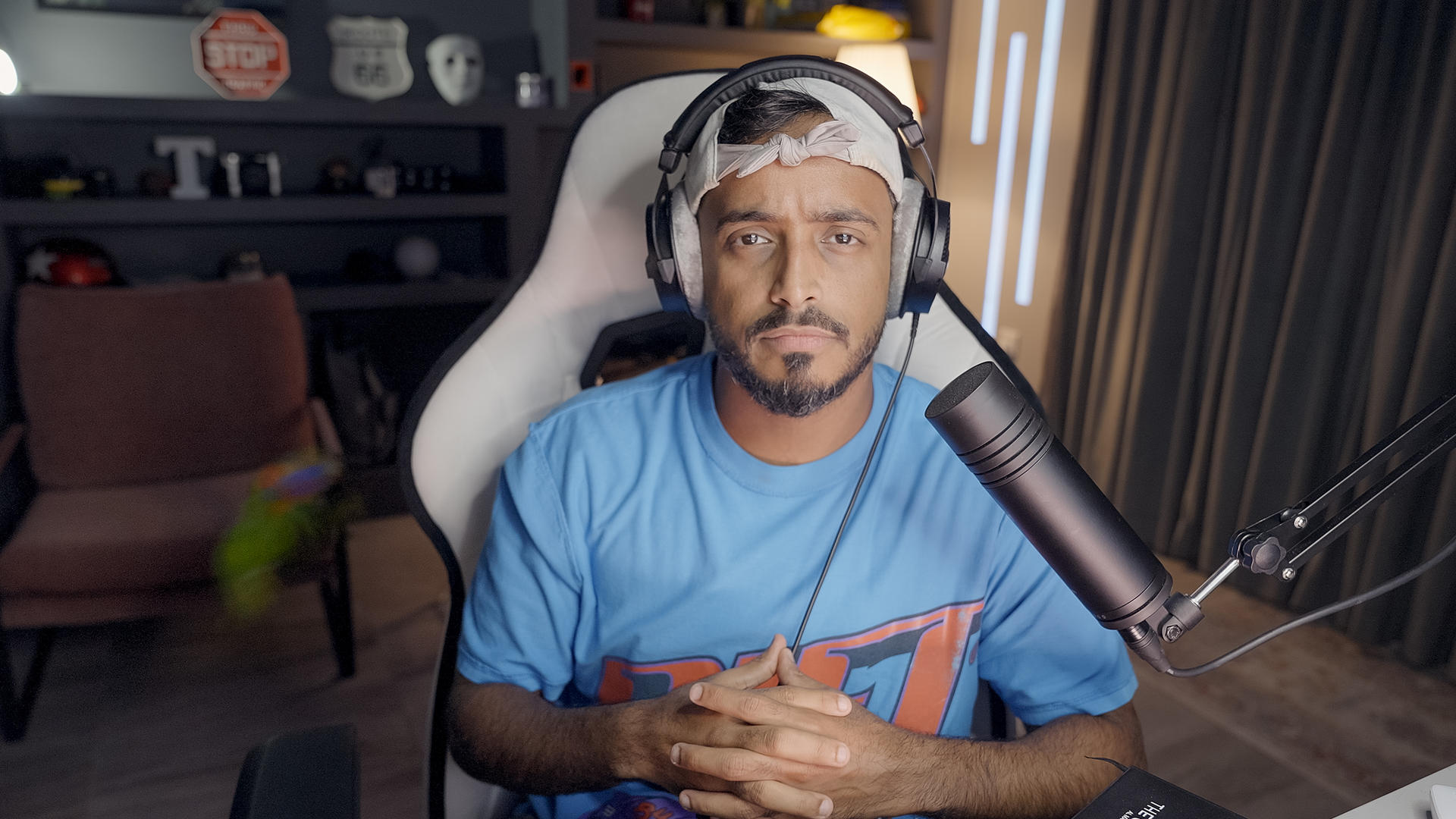
The Month That Changed His Life
For years, Tareq posted content with only a small audience. He has said that after nearly three years of creating, he had around 200 followers. Then, almost suddenly, everything changed. His sketches began spreading through WhatsApp, Path, Vine, and repost accounts, reaching people far beyond his original circle.
Within one month, he went from a small following to one million followers. In the Saudi social media scene of 2013 and 2014, that was not just a number. It was a cultural moment. A million followers then meant something different. There were fewer creators, fewer platforms, and fewer examples of people turning online attention into real influence. Soon after, Tareq went to his manager and said he wanted to resign. His manager warned him that the job was stable and secure, but Tareq could not ignore the opportunity in front of him.
Leaving that job was not easy. He has shared that he did not immediately tell his family. For a while, he would leave home wearing his work uniform, then take it off in the car because he had already stopped going to work. It was a risky move, especially at a time when social media was not yet seen as a serious career. But for Tareq, that month changed his career, his confidence, and eventually, his entire life.
Beyond Sketches: Music, Production, and Performance
Tareq’s career did not stay limited to short comedy videos. As his audience grew, so did his creative world. He moved into music, production, performance, and larger entertainment projects. He has spoken openly about his love for music, especially comedic music and monologue-style songs that allow him to mix rhythm, character, and humor.
One of the most interesting parts of his journey is that he was not only performing. He was also producing. He produced a song that crossed 50 million views, even though many people did not know he was behind it. He also worked with artists and producers such as Hamad Al-Qattan, Hamada from Makkah, and Ahmed Baqshan, also known as Boqzi. Through these collaborations, Tareq showed that his creativity was not only about being in front of the camera. It was also about building ideas, shaping performances, and understanding what makes people connect with a piece of entertainment.
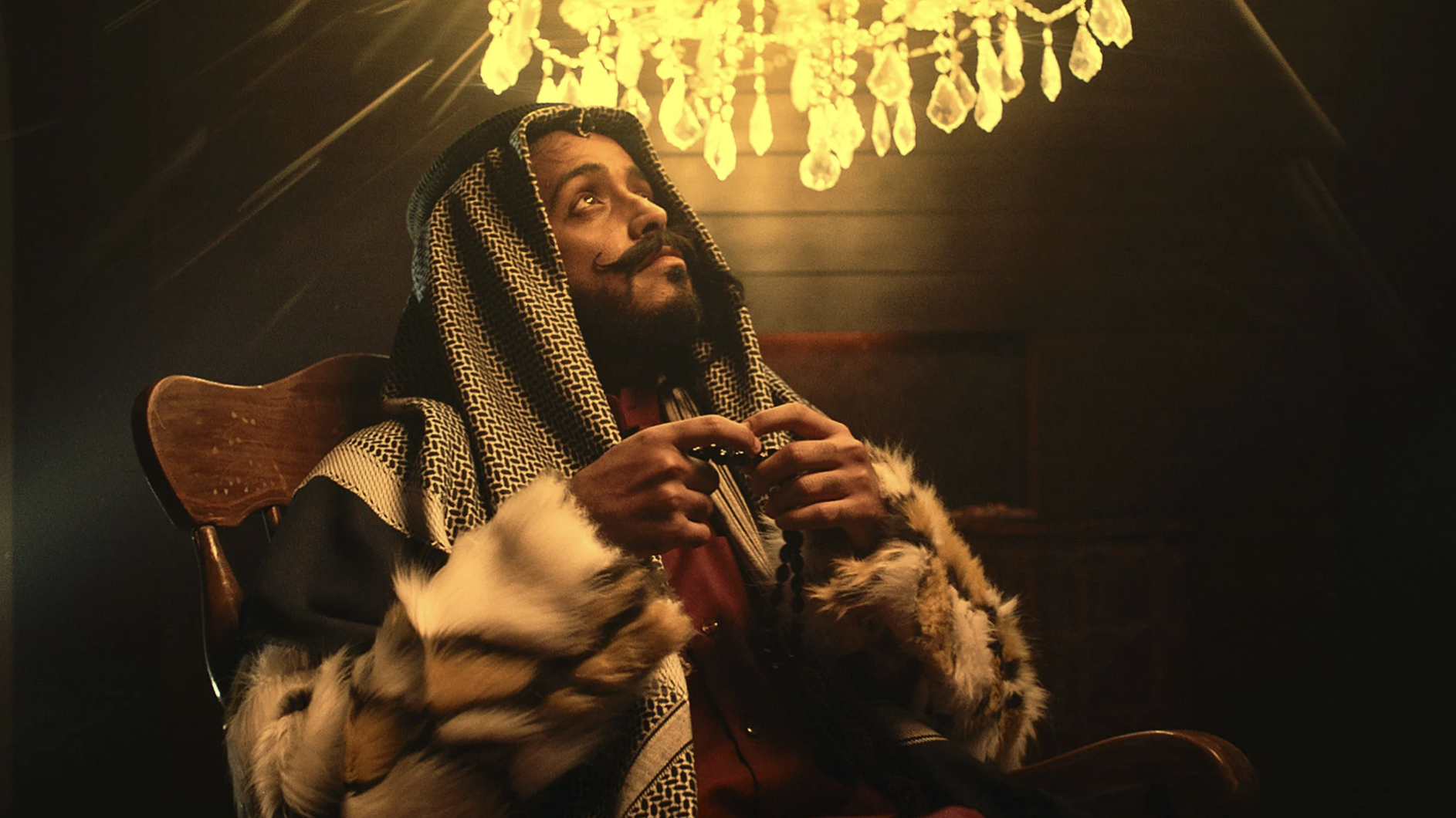
From Social Media to Stage and Screen
Tareq’s move into acting and stage performance felt natural because his early sketches were already built around characters. He played mother figures, old men, regional personalities, children, and exaggerated social types. In many ways, social media became his first acting school.
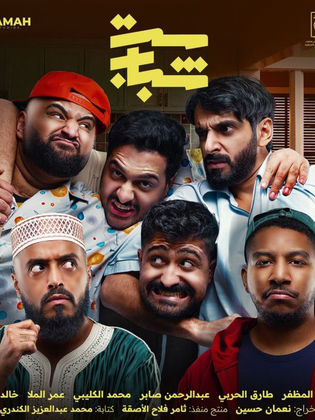
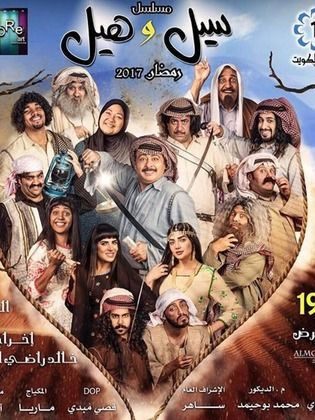
His career later expanded into theatre and television, including work with Kuwaiti comedy star Hassan Al-Ballam. Tareq became part of Al-Ballam’s Saudi group and appeared in several works, including the series Seel wa Heel (سيل وهيل), which he has described as one of the projects he enjoyed most. Working with experienced performers such as Ahmed Al-Ounan, Abdullah Al-Khader, Aziz Al-Nassar, Fahad Al-Bannai, and others gave him a new space to grow. It proved that a digital creator could move from phone screens to professional stages and television sets when the talent was real.
The Dialects That Connected Him to Arab Audiences
One reason Tareq’s comedy reached people beyond Saudi Arabia is his ability to work with dialects and regional characters. His sketches did not only speak to one audience. They often carried accents, references, and personalities that Arab viewers recognized from daily life.
His connection with Sudanese audiences is especially strong. Tareq has spoken warmly about Sudanese people, describing them as honest, artistic, generous, and deeply supportive. Sudanese friends helped him understand the dialect, slang, and street language, which later shaped some of his comedy. He has also spoken with affection about Morocco, praising the hospitality he experienced there and expressing interest in creating a Saudi-Moroccan comedy project. Through these connections, Tareq’s work became both local and regional. It carried Saudi humor, but it also built bridges with wider Arab audiences.
Staying Relevant With a New Generation
Tareq belongs to one of the earliest generations of Saudi social media stars, but he understands that the creator world has changed. The field is no longer built around a few major names. Today, audiences are divided across TikTok, YouTube, Snapchat, Instagram, and many smaller creator communities. Tareq has accepted that the idea of one clear “number one” no longer works the same way.
That awareness is part of what keeps him relevant. He watches younger creators, listens to younger audiences, and understands that a 12-year-old today may not know the videos that made him famous. Instead of depending only on nostalgia, he continues to adapt. He praises new talents, studies new formats, and experiments with shorter music reels and platform-friendly content. He has praised new creators such as Rayan Al-Ahmari, known as MjrmGames, Piko, and the Al-Otaibi family creators as examples of the new wave shaping Saudi content today. His longevity comes from knowing that fame is not something you own forever. It is something you keep earning through growth, humility, and the ability to move with the times.
Music, Movement, and Viral Performance
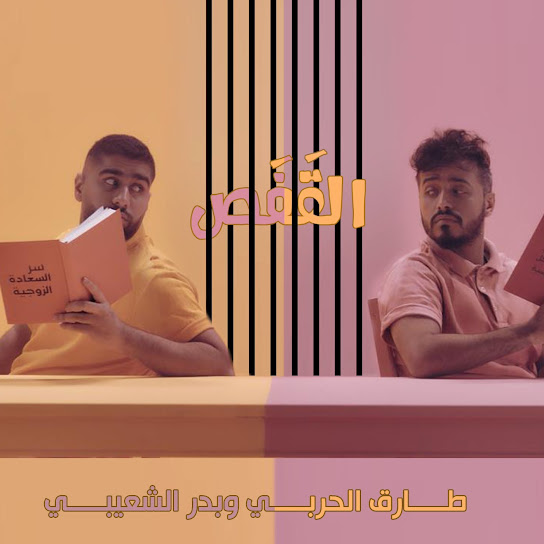
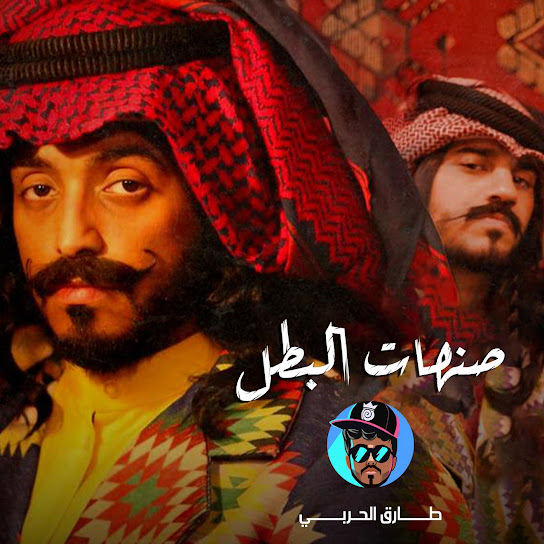
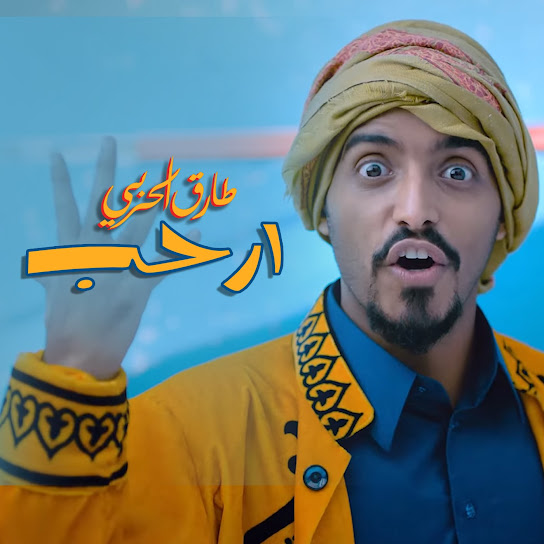
Tareq’s creative world also includes music. His strongest identity remains comedy, acting, hosting, and content creation. But music has become part of his entertainment language. Apple Music lists several singles under his name, including Arheb in 2018, Yahezz Katfa in 2019, Alqafas with Bader AlShuaibi in 2020, Sanhat Al Batal in 2022, and Al Kafo in 2024.
This side of his career fits naturally with his digital presence. The songs are playful, rhythmic, expressive, and built for performance. They connect with movement, humor, and viral entertainment. They are not separate from his comedy. They are another extension of it. For Tareq, entertainment can be a sketch, a hosting moment, a reaction, a song, or a short video. The format changes, but the personality remains the same. This is what makes him a multi-platform entertainer. He does not wait for one lane to define him. He moves between lanes with confidence.
The Fastest: A Saudi Voice on Netflix
Tareq’s career reached a wider international audience through Netflix’s The Fastest, a Middle Eastern car-racing reality series. The platform introduced him as the Saudi host of the show’s opening episode, placing him inside a regional production with global reach. It gave him a different kind of stage: not sketch comedy, not talk-show interviews, but competition, cars, energy, and real-time reaction.
The role suited Tareq because commentary depends on timing. A commentator must keep the audience engaged, react without taking over, and bring emotion to the screen while allowing the story to move. Tareq’s comedy background helped him do that naturally. He brought energy, personality, and a Saudi voice to a platform watched far beyond the region.
Cultural Influence
Tareq Al-Harbi’s influence is not only measured by followers, views, or screen credits. It is measured by what his career represents. He is part of a Saudi entertainment shift where creators are becoming full media brands. They are not only actors. They are hosts, producers of their own digital moments, music performers, public personalities, and cultural connectors. This shift reflects the wider transformation of Saudi Arabia’s creative industries under Vision 2030. Entertainment, culture, media, and storytelling have become central to how the Kingdom presents itself to the world and how young Saudis imagine their own futures.

Still Moving, Still Creating
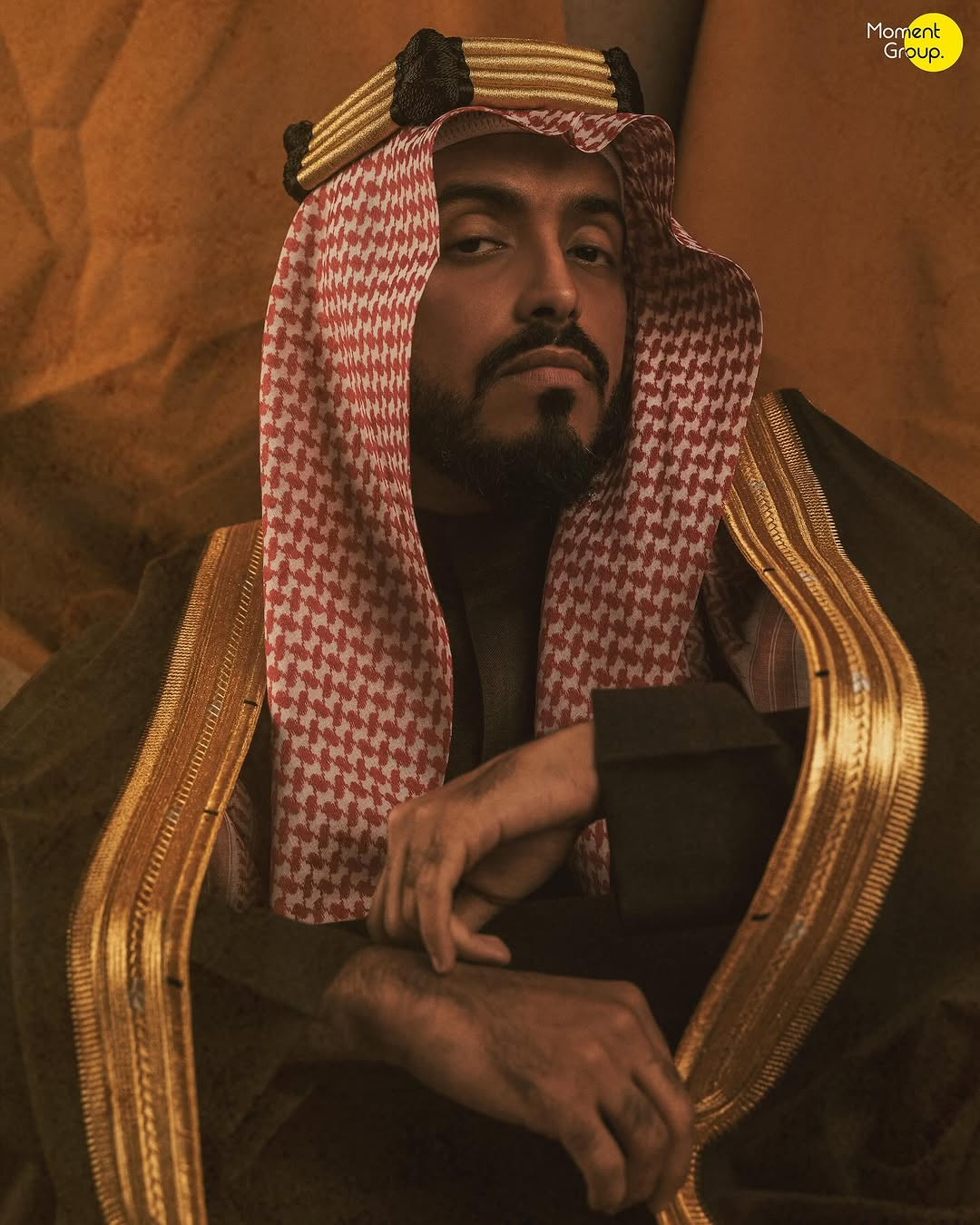
Tareq Al-Harbi’s story is still active. He continues to create, perform, collaborate, and adapt across platforms. His journey shows what long-term relevance looks like in a fast-changing entertainment world: not staying in one format, but knowing when to evolve. From sketches to songs, from online comedy to stage and screen, Tareq remains part of the generation that helped turn Saudi digital creativity into a real cultural force.
Follow Tareq Al-Harbi’s journey on X, Instagram, TikTok and YouTube.


