


The 2026 FIFA World Cup gave football fans across Saudi Arabia another summer of matches, rivalries and national-team loyalties. But while the competition was unfolding on the pitch, Afia Arabia created a second tournament for audiences to follow from their phones.
Afia Mondial 2026 brought together eight Saudi Arabia-based food creators and chefs, assigned each of them a national team, and challenged them to compete through a series of World Cup-inspired cooking rounds. There were appetizers, main courses and desserts. There were rivalries and knockouts. Most importantly, there was no judging panel deciding who stayed. The audience did.
What Was Afia Mondial 2026?
Afia Arabia is a cooking-oil and food brand widely used across homes in Saudi Arabia and the region. During the 2026 FIFA World Cup, the brand wanted to take part in the cultural moment in a way that felt natural to its category.
Instead of trying to behave like a football sponsor, Afia built Afia Mondial 2026, a social-first cooking tournament inspired by the structure of the World Cup. Eight Saudi Arabia-based food creators and chefs were each assigned a national team and competed through a series of cooking challenges. The creators prepared dishes inspired by the countries they represented, using Afia products throughout the competition. After each head-to-head round, followers voted on Instagram to decide who progressed.
The idea was simple: take the rivalry, anticipation and audience participation people already love about football tournaments and translate it into food content. By working with creators whose audiences already cared about recipes, cooking and ingredients, Afia gave itself a credible role in the World Cup conversation.
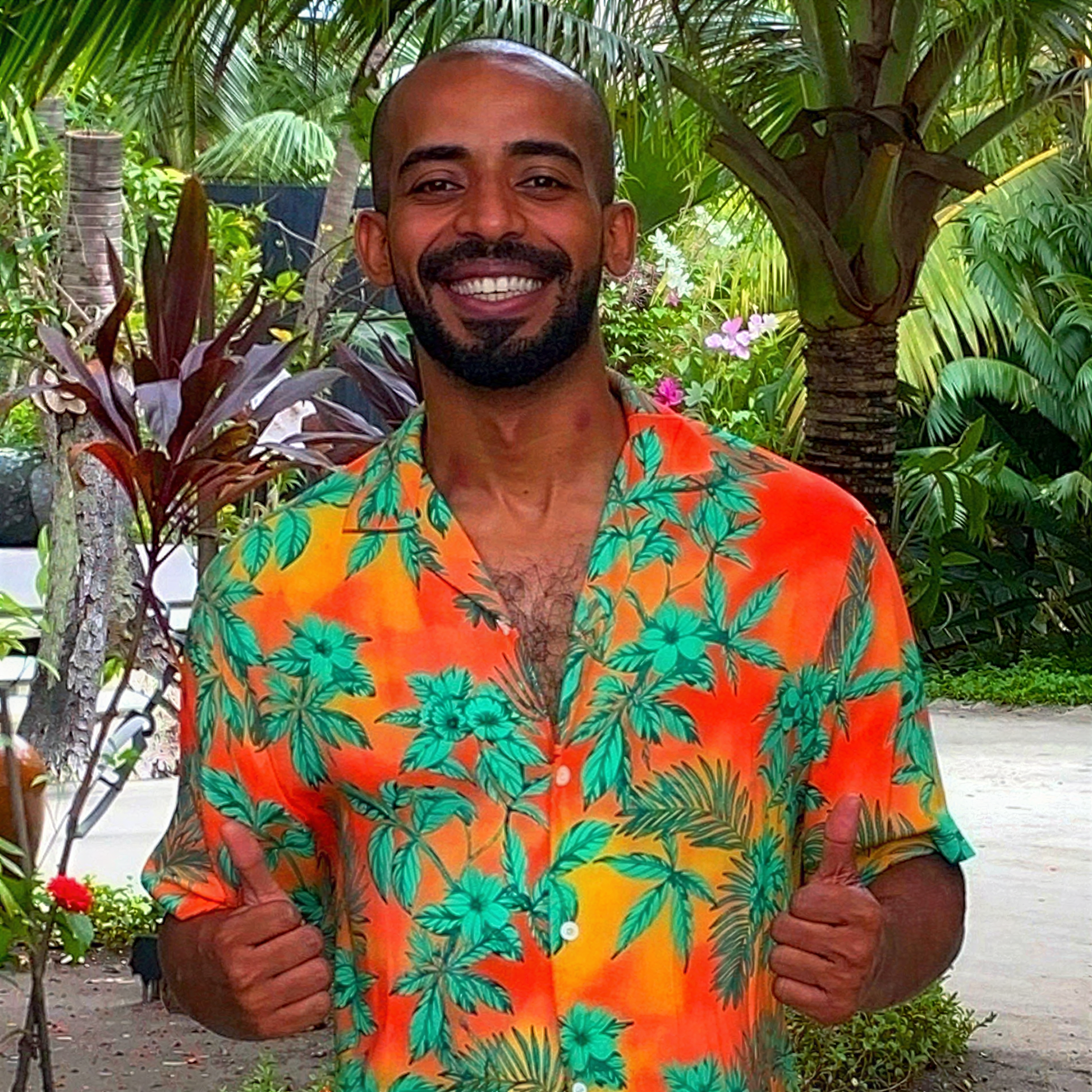
1) Sultan: Representing Türkiye 🇹🇷
Sultan Al Faisal, known online as @sultan_x220, is a Saudi food blogger, digital creator and social media personality. Based primarily in Jeddah, he has built a large following across Instagram, TikTok and Snapchat through entertaining food-led content. His videos often involve unusual or extreme flavour combinations, taste tests, restaurant experiences and comedic food challenges. Rather than approaching food from a traditional chef perspective, Sultan's appeal comes from making eating and discovering new flavours part of the entertainment itself.
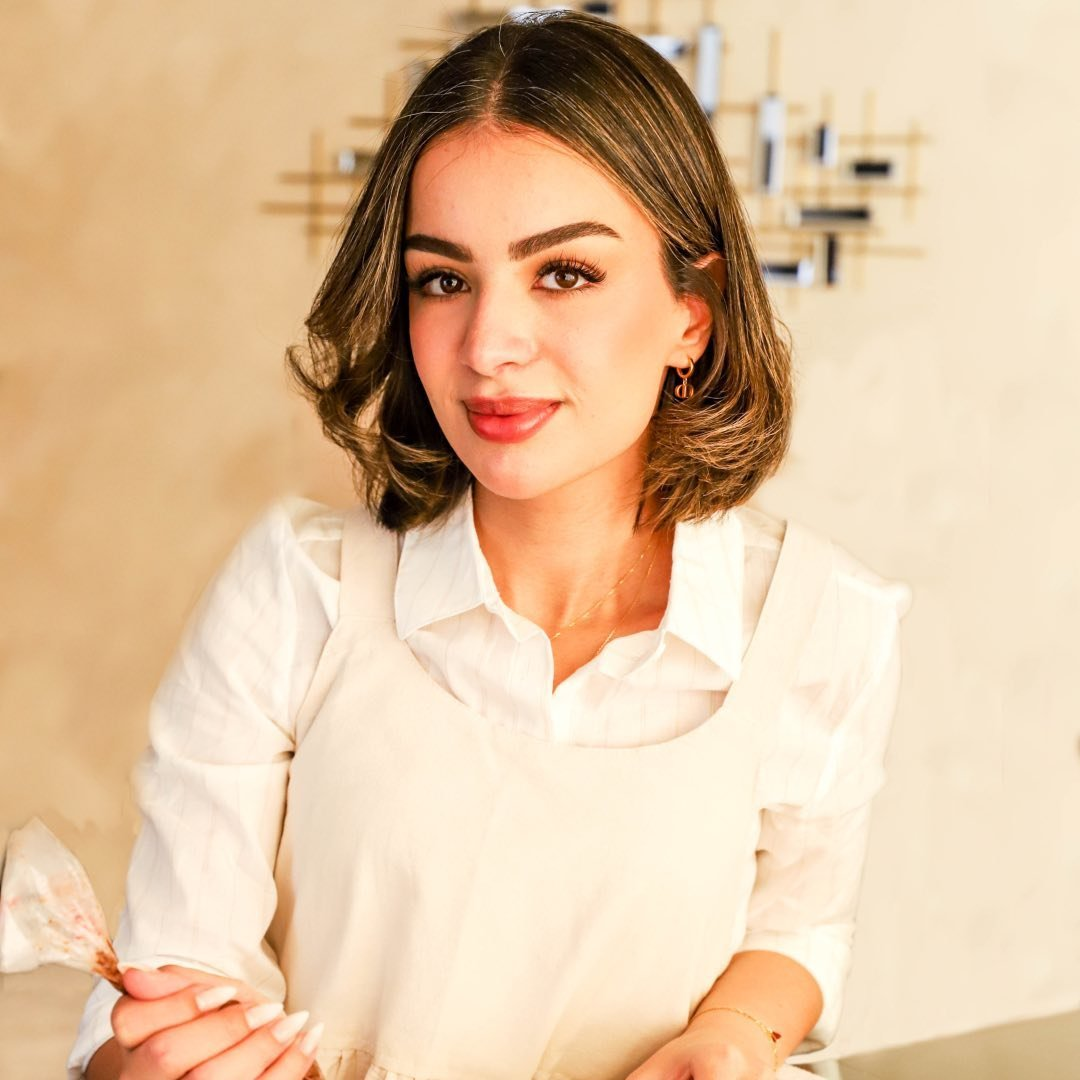
2) Dina Al-Rayes: Representing Spain 🇪🇸
Dina Al-Rayes is a Saudi digital content creator, baker and social media influencer known for making baking feel accessible to everyday audiences. Through her Instagram and TikTok platforms, she shares approachable recipes, baking tutorials and food content built around the idea that “Everyone can bake.”
Her content focuses heavily on desserts and baked goods, alongside comfort foods, Middle Eastern dishes and modern twists on familiar recipes. Her style is practical, visual and easy to follow, which has helped her build a strong regional audience interested in home baking and food inspiration. Within Afia Mondial 2026, that existing connection to food made her a natural fit for the creator line-up.
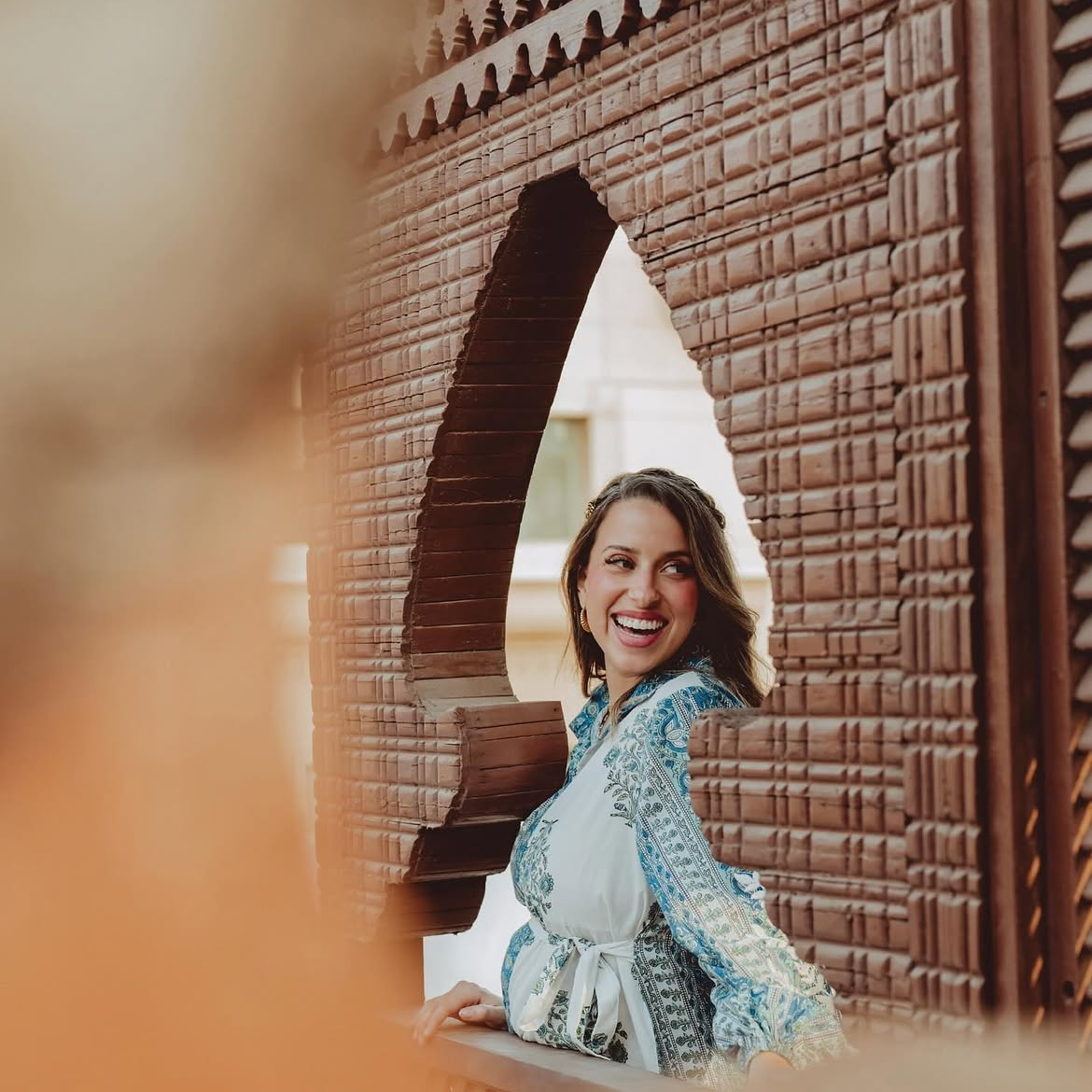
3) Sara Hinnawi: Representing Mexico 🇲🇽
Sara Hinnawi is a Saudi social media influencer, food creator and beauty entrepreneur based in Jeddah. She has built a broad digital presence across Instagram, TikTok and Snapchat, where her content combines food, lifestyle, fitness and beauty.
Her food content ranges from traditional Middle Eastern recipes to international dishes, with an emphasis on practical, family-friendly cooking and quick recipe ideas. Beyond food, Hinnawi is also a professional lash artist and the founder of Posh Beauty Brand, giving her profile a strong entrepreneurial dimension alongside her creator work.
4) Abdulrahman Bakhsh: Representing Saudi Arabia 🇸🇦
Abdulrahman Bakhsh is a Saudi food creator, TV presenter and fitness influencer based in Jeddah. Known online through @healthway_22 and his Lift and Cheat identity, he has built a large following by bringing together two interests that usually sit at opposite ends of the spectrum: serious fitness and indulgent food.
His content includes restaurant reviews, street-food discoveries, burgers, fine dining, original recipes and cooking videos, usually delivered in a high-energy, entertaining style. He also describes himself as a “humble chef.” The Lift and Cheat concept reflects the philosophy behind much of his content: train hard, stay active and still enjoy rich, flavourful food. That mix has helped him build a distinctive identity across food, fitness and entertainment.
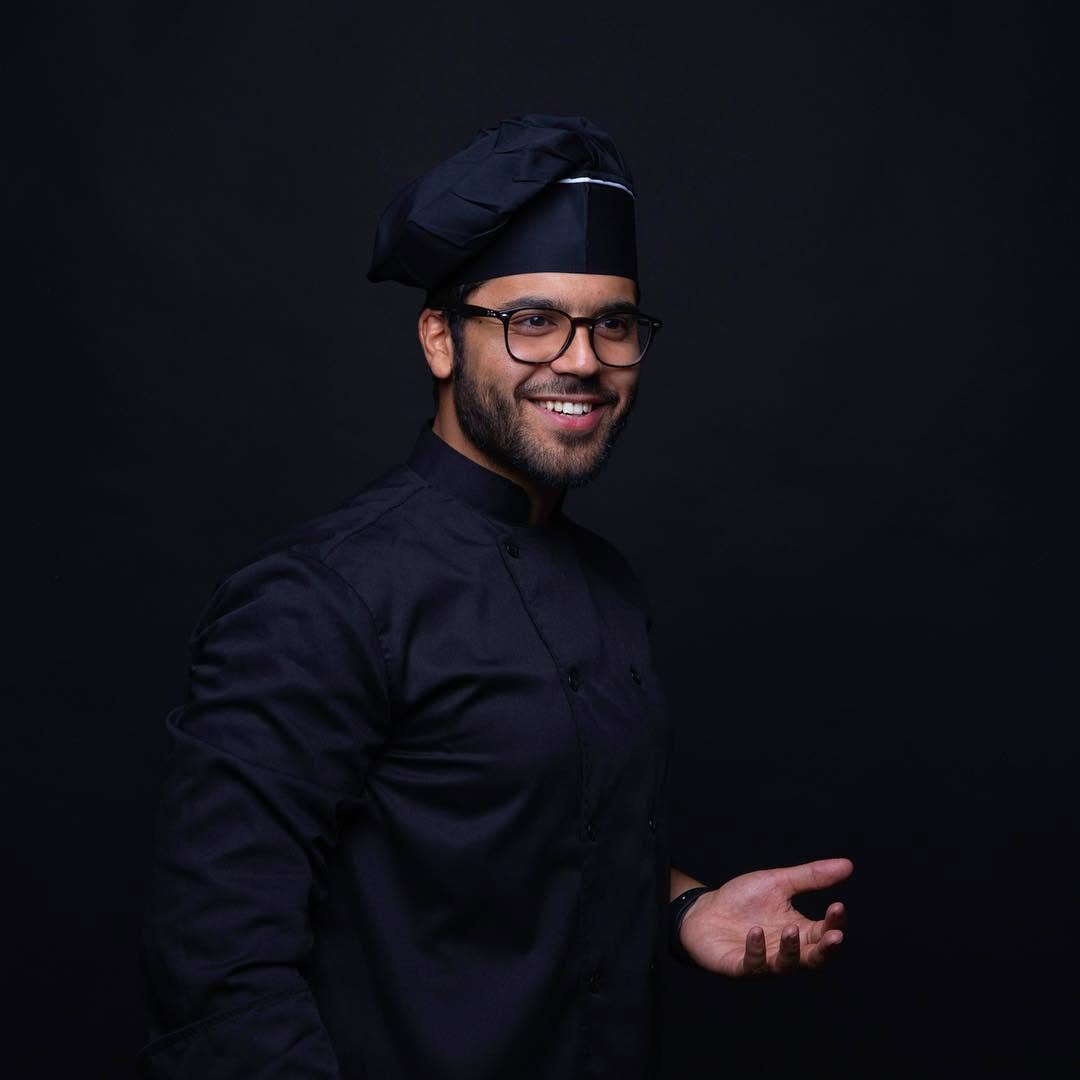
5) Ghofran Al-Romaihy: Representing Japan 🇯🇵
Ghofran Al-Romaihi is a Saudi pastry chef, entrepreneur and culinary content creator based in Jeddah. She is best known for her expertise in baking and viennoiserie, and has built a strong digital following through pastry tutorials, creative recipes and her signature croissant-focused content.
She is the co-founder and Head Chef of SESAM, an artisan bakery and chocolatier in Jeddah, as well as the co-founder of GP Catering. Al-Romaihi won #1 Best Chocolate Croissant at Salon du Chocolat et de la Pâtisserie Riyadh. Her route into food was not traditional. Before entering the culinary world, she studied pharmacology in the United Kingdom before returning to Saudi Arabia and pursuing baking professionally. Today, her work sits at the intersection of pastry craft, entrepreneurship and digital food storytelling.
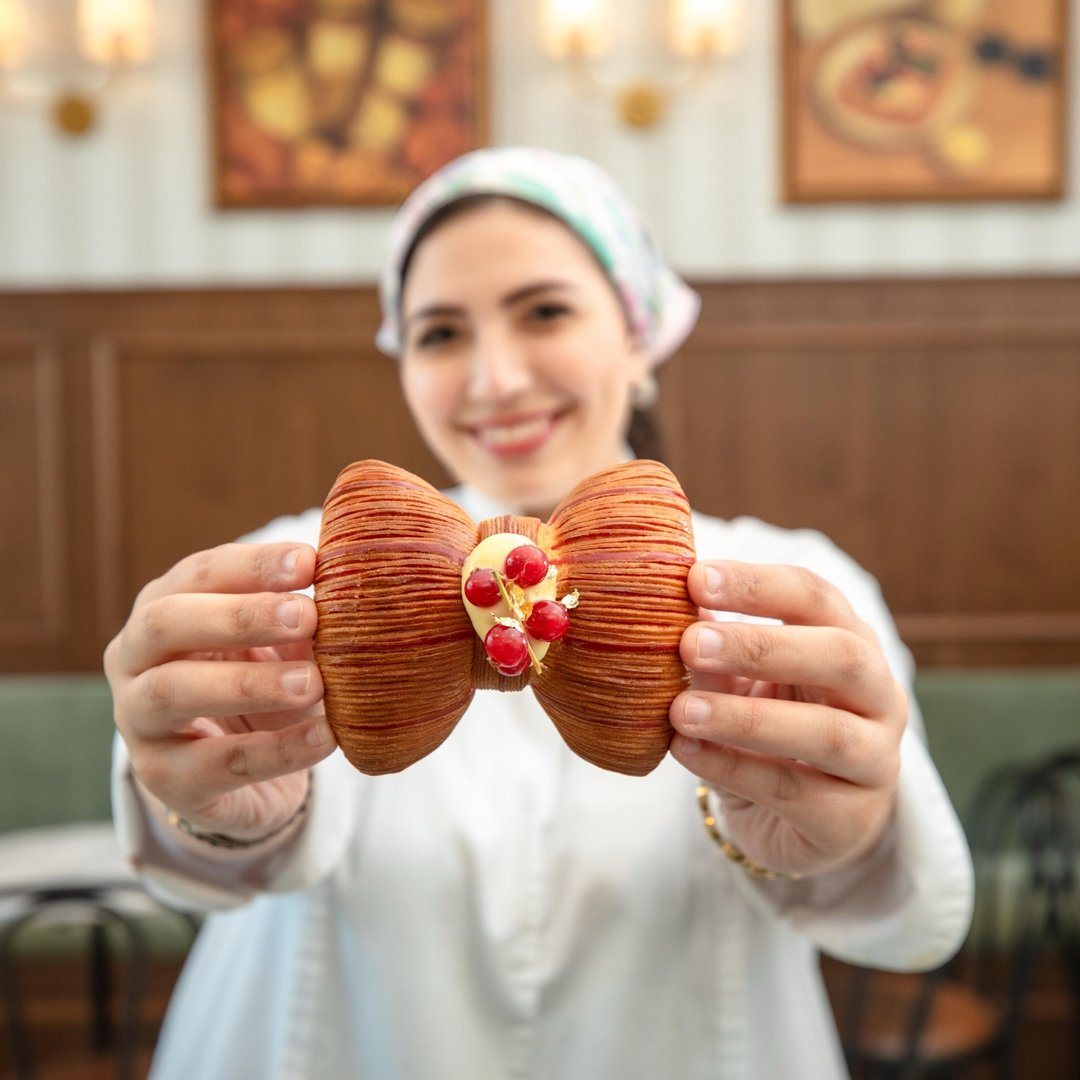
6) Omar Al-Watban: Representing Morocco 🇲🇦
Omar Al-Watban, known online as @craftedbyomar, is a Saudi chef, culinary content creator and TV host based in Riyadh whose career stands out for the way it bridges medicine and food. Alongside his work as a Family Medicine Senior Registrar, he has built a major culinary presence around technique, experimentation and fusion.
Al-Watban holds an MBBS degree and later formalised his culinary training with a Diplôme de Cuisine from Le Cordon Bleu London. He has spoken about how his scientific background shaped his interest in the chemistry and precision of cooking, which is reflected in a style that combines classical technique with Middle Eastern and global influences. His content is known for unexpected flavour combinations and contemporary fusion dishes, from chicken and date empanadas to kimchi tacos and miso basbousa. Beyond social media, he has hosted the MBC1 cooking show Iftarna Ghair and is also a co-owner of Maison Sociale in Khobar. His career sits at the intersection of medicine, professional culinary training, television and digital food culture.
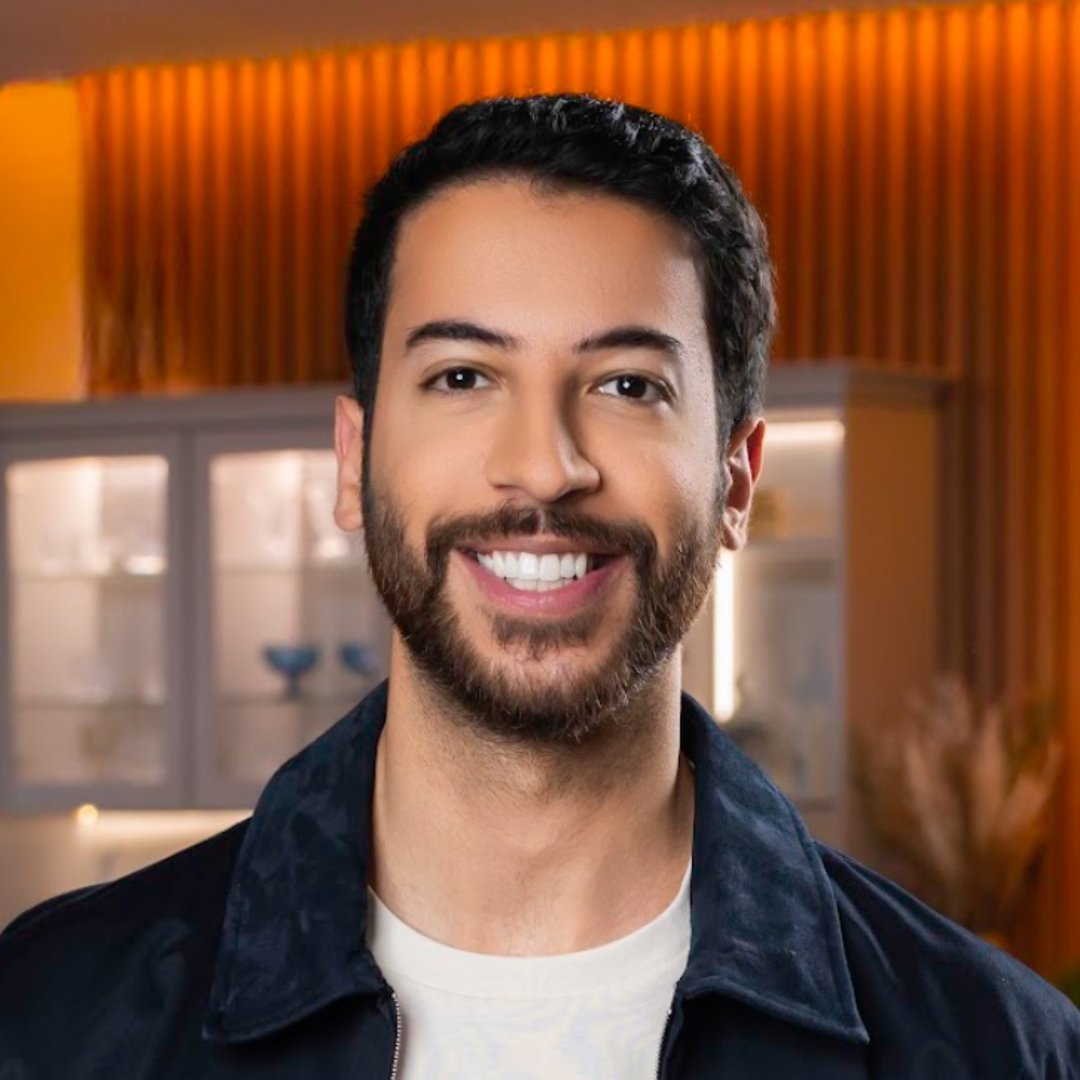
7) Nihal Felemban: Representing France 🇫🇷
Nihal Felemban, known online as @dipsntrips, is a Saudi-Moroccan chef, restaurateur, entrepreneur and food-and-travel creator based in Jeddah. Born to a Saudi father and Moroccan mother, she built her culinary identity around a mix of cultural influences, travel and a long-standing passion for food. Her path into hospitality began through DipsNTrips, the food and travel platform she used to share restaurant discoveries, recipes and culinary experiences. She later moved from content creation into professional hospitality, becoming the founder and CEO of Kiram Food Services.
Through Kiram, Felemban is behind The Lucky Llama, a Jeddah-based Nikkei restaurant blending Peruvian and Japanese influences, which received Michelin Bib Gourmand recognition. She also launched Dear Duck, an all-day dining concept in Jeddah. Her career now brings together restaurant entrepreneurship, culinary creativity and digital storytelling, while her social platforms continue to feature recipes, food experiences and travel content.
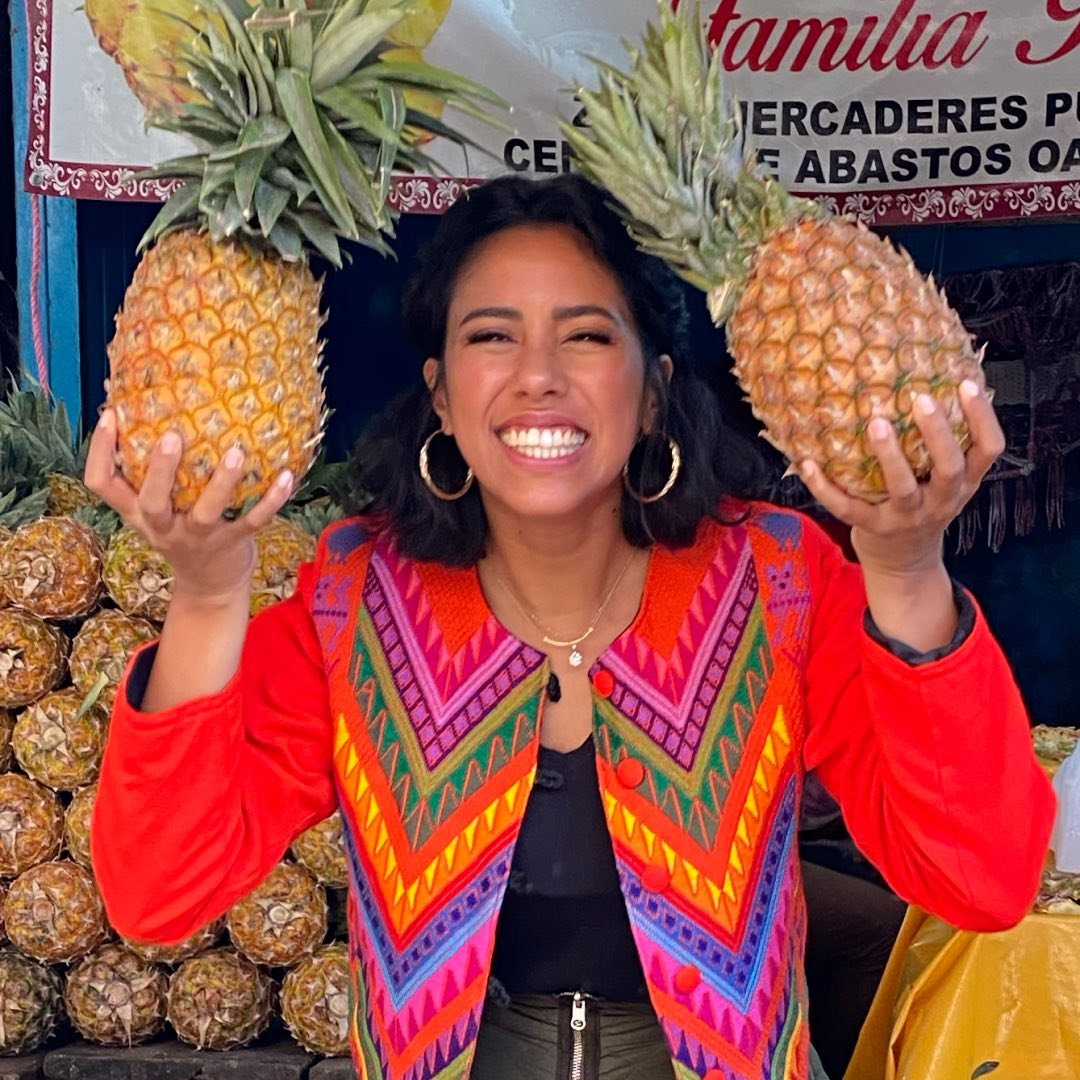
8) Abdulrahman Anani: Representing Egypt 🇪🇬
Abdulrahman Enani, known online as @ananno89, is a Saudi professional chef, culinary consultant and digital food creator known for fusion cooking and international culinary experience. He studied hospitality management at Northern Arizona University and began his kitchen career as a dishwasher before he gained experience at acclaimed restaurants in San Francisco, including Nopa and The Progress, developing a culinary style influenced by different cultures and techniques.
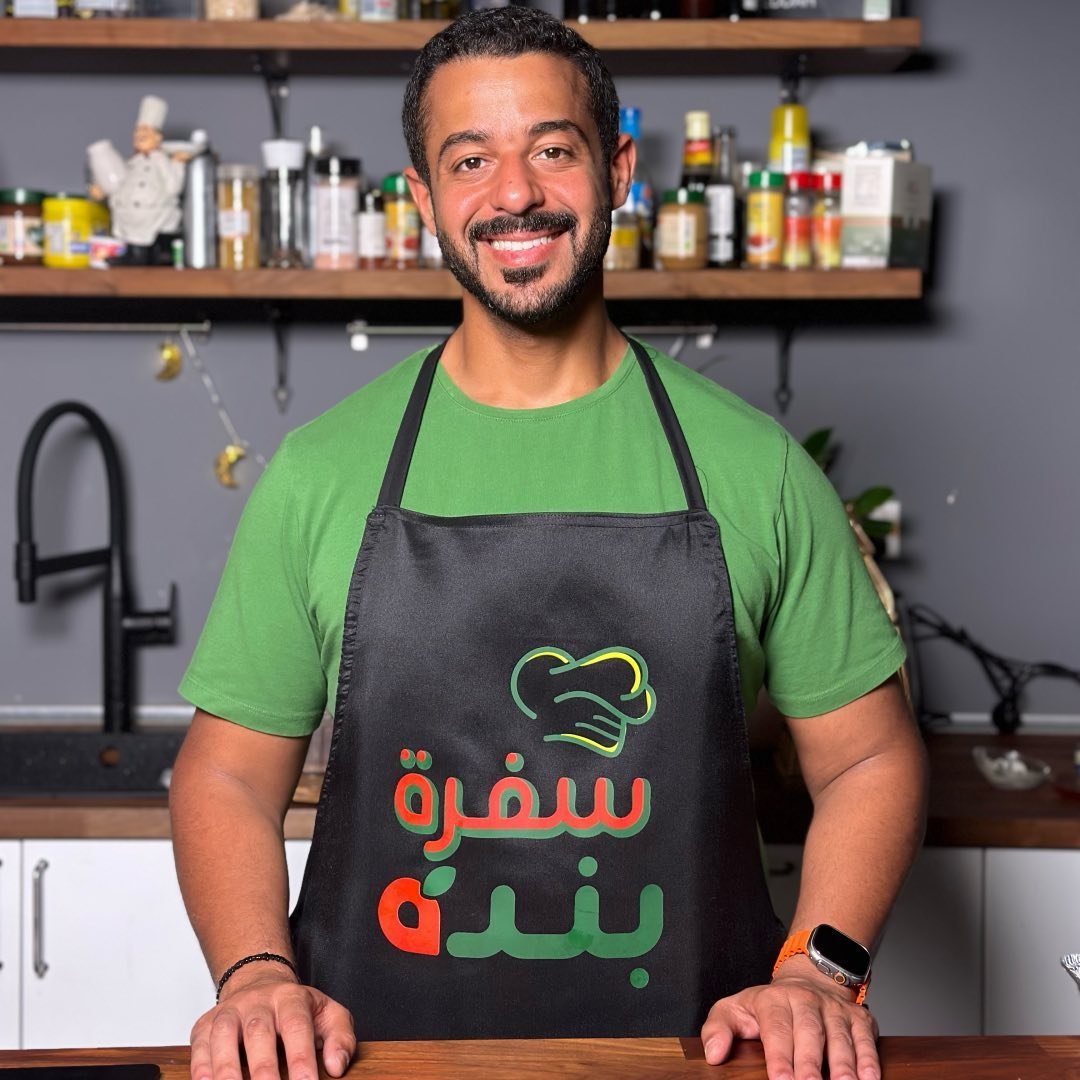
In Saudi Arabia, Enani became known as the founder and former owner of Caliente, a popular Jeddah taco truck. He has since expanded into recipe development, private dining, pop-ups and culinary consulting across Saudi Arabia, the UAE and the US. He also creates food content online and has hosted cooking shows including Sufrat Panda (سفرة بندة).
Round One: Eight Creators Enter the Kitchen
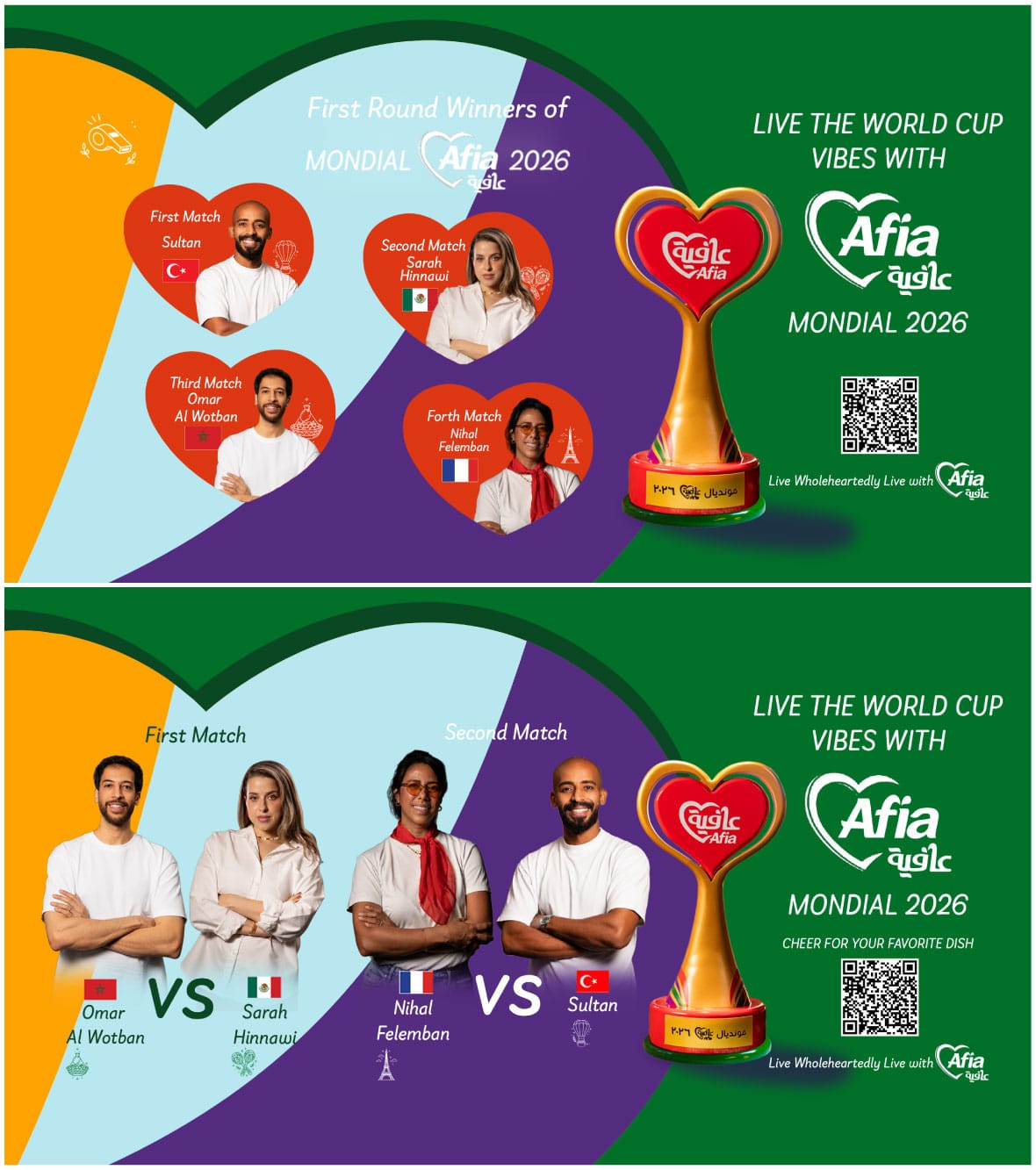
The first round established the tournament format through four head-to-head challenges. Sultan defeated Dina Al-Rayes. Sara Hinnawi progressed past Abdulrahman Bakhsh. Omar Al-Watban advanced over Ghofran Al-Romaihy. Nihal Felemban moved forward after facing Abdulrahman Anani.
That reduced eight creators to four. More importantly, it established the behaviour Afia wanted from its audience. Followers were not simply watching recipes. Each match ended with a decision they could influence.
Round Two: Four Become Two
The second round raised the stakes and moved into main courses. Omar Al-Watban 🇲🇦 vs. Sara Hinnawi 🇲🇽 saw Moroccan Beef and Prune Bao Buns go against Mexican Beef Tacos. Omar advanced.
In the other semi-final, Nihal Felemban 🇫🇷 faced Sultan 🇹🇷, with French Steak Sandwiches competing against Turkish Kofta and Sucuk Sandwiches. Sultan secured his place in the final. Two creators remained.
The Finale: Omar Al-Watban vs. Sultan
The final moved from savoury dishes to dessert. Representing Morocco, Omar Al-Watban presented Green Tea Granita. Representing Türkiye, Sultan created Baklava French Toast. Once again, Afia did not appoint a traditional judging panel. The final decision was handed to the audience, bringing the campaign's central mechanic all the way through to its conclusion.
The final champion was determined through audience votes, completing a tournament in which followers had helped shape the competition from the opening round onward.
The Case Study: Why Afia Mondial Worked
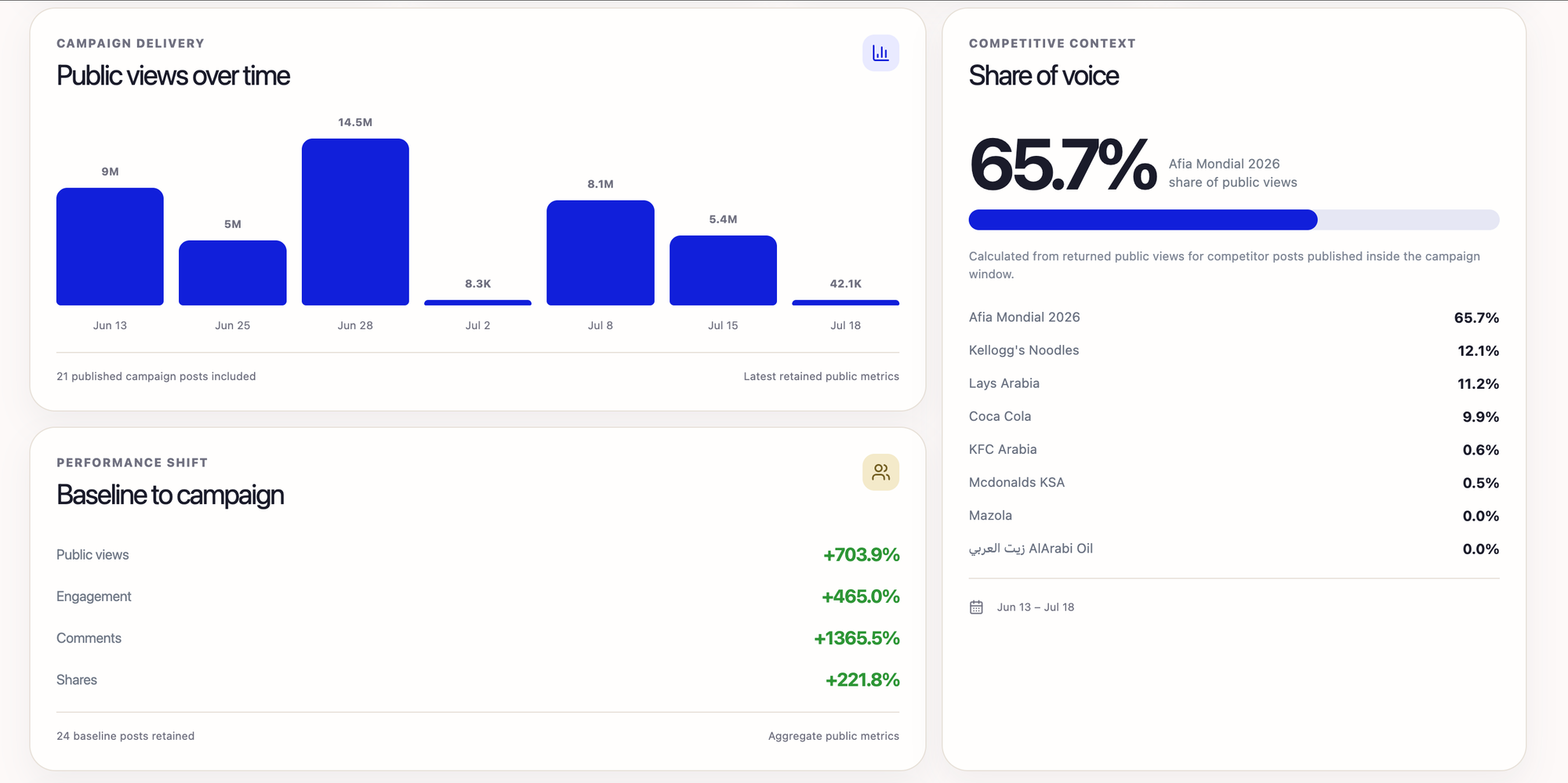
The creator line-up was only one part of the story. The results show what happened when creator influence was combined with a format designed for participation. Afia Mondial generated 42 million+ views and 65 million+ impressions, alongside approximately 90,000 tracked engagements, 5,000 comments and 12,200 shares. Most tellingly, audiences cast 29,936 Instagram votes during the tournament.
Compared with Afia's retained pre-campaign content, engagements increased 465%, comments rose 1,365.5% and shares increased 221.8%. While Afia initially contracted eight creators, another 14 creators and public figures joined organically without payment.
Competing With Bigger World Cup Advertisers
Those results are particularly notable given the scale of the competition for attention during the World Cup. Global brands were activating with significant media budgets, sponsorship rights and some of football's biggest names. Lay's, for example, brought stars including Lionel Messi, David Beckham and Thierry Henry into its World Cup marketing, while Coca-Cola and other major international brands were also competing heavily around the tournament.
Afia took a very different route. Within the specific competitor World Cup content tracked during the campaign period, Afia captured a 65.7% Share of Voice based on public views, compared with 12.1% for Kellogg's Noodles, 11.2% for Lay's Arabia and 9.9% for Coca-Cola. Rather than trying to match bigger brands celebrity for celebrity, Afia used creators whose audiences already cared about food and gave them a format people could participate in.
Why Influencer Marketing Was the Winner
The campaign shows why influencer marketing can become much more powerful than paying someone with a large following to post a product. Afia chose creators with existing credibility around food. Their audiences already came to them for recipes, cooking ideas and ingredients.
Afia then gave those audiences something additional to care about: a country to support, a creator to back and an outcome they could influence. The creators provided the communities. The World Cup provided the cultural moment. Afia provided the competition connecting them.
That is where influencer marketing works best: not when a creator is treated as advertising space, but when the creator, their audience and the brand all have a credible reason to participate in the same idea.


