


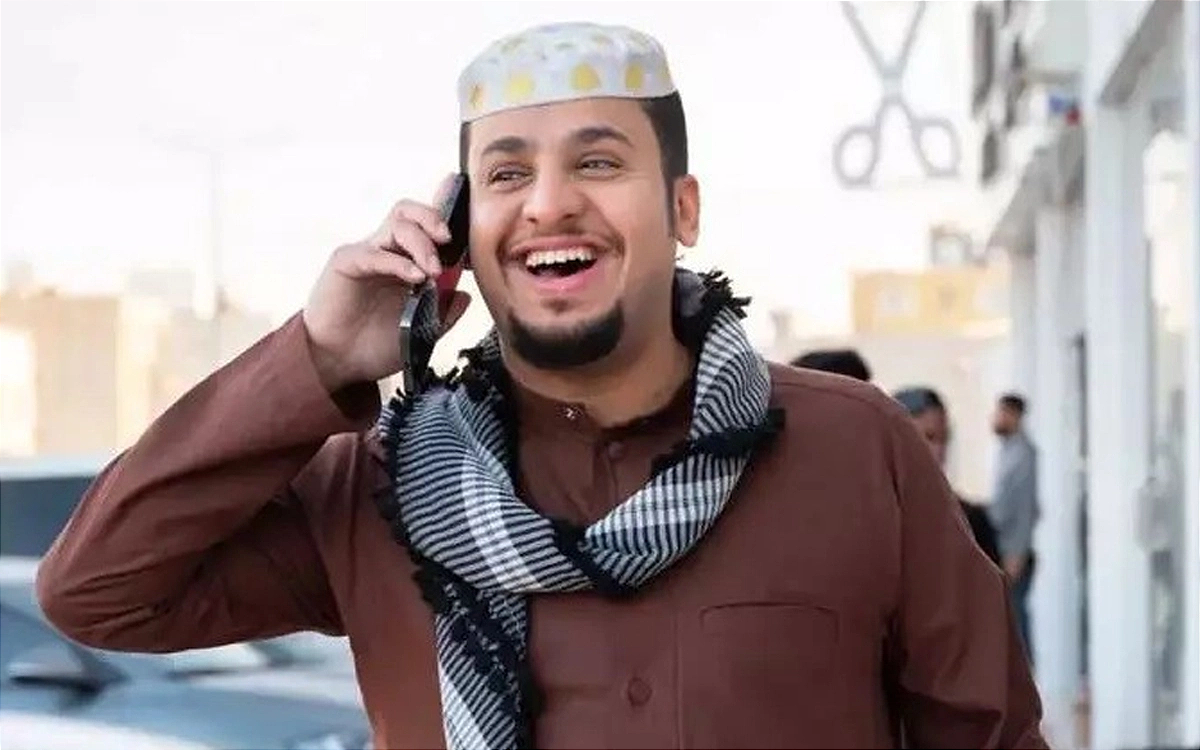
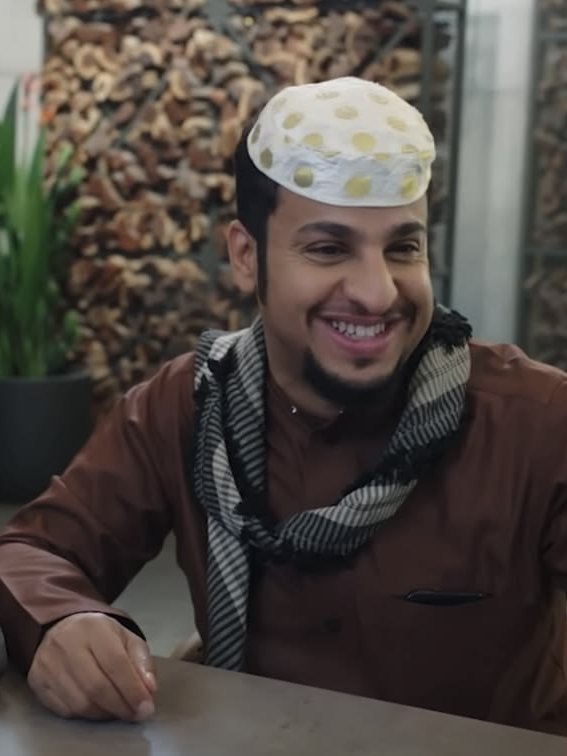
Faisal Al-Eissa did not simply grow with Saudi entertainment. In many ways, he grew inside it. Millions across Saudi Arabia and the wider Arab world know him as Amer, the energetic face of Shabab Al Bomb. But behind that familiar character is a much bigger story. Faisal began acting as a teenager, learned television through some of Saudi Arabia’s most important productions, returned to university when fame did not provide stability, and spent more than 15 years working around mental-health and addiction care.
Then he noticed something the entertainment industry was missing: an entire generation of young people who wanted to see their own lives on screen. He built for them. And they stayed with him.
From Jeddah Neighborhoods to Television Sets
Growing up around Saudi culture
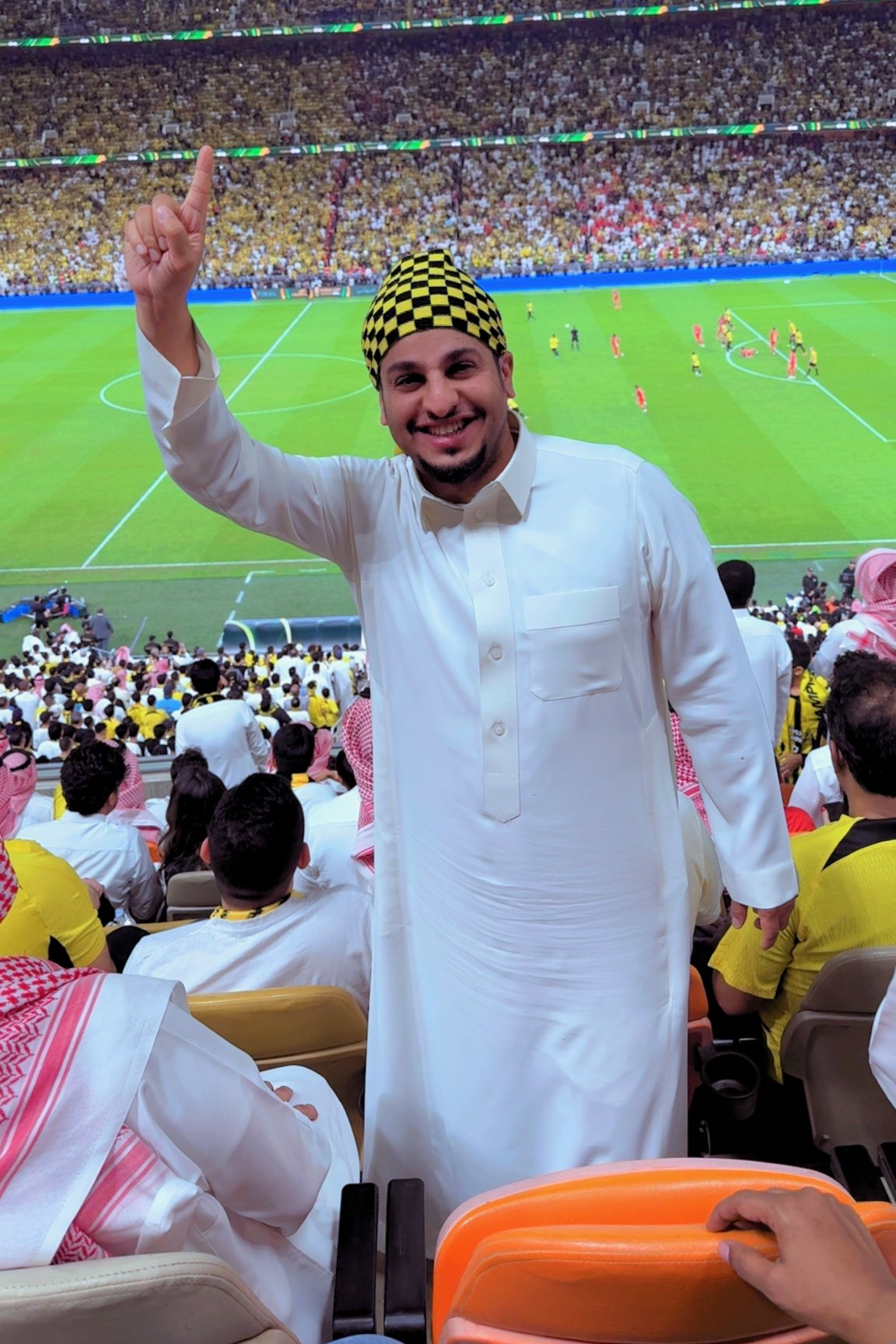
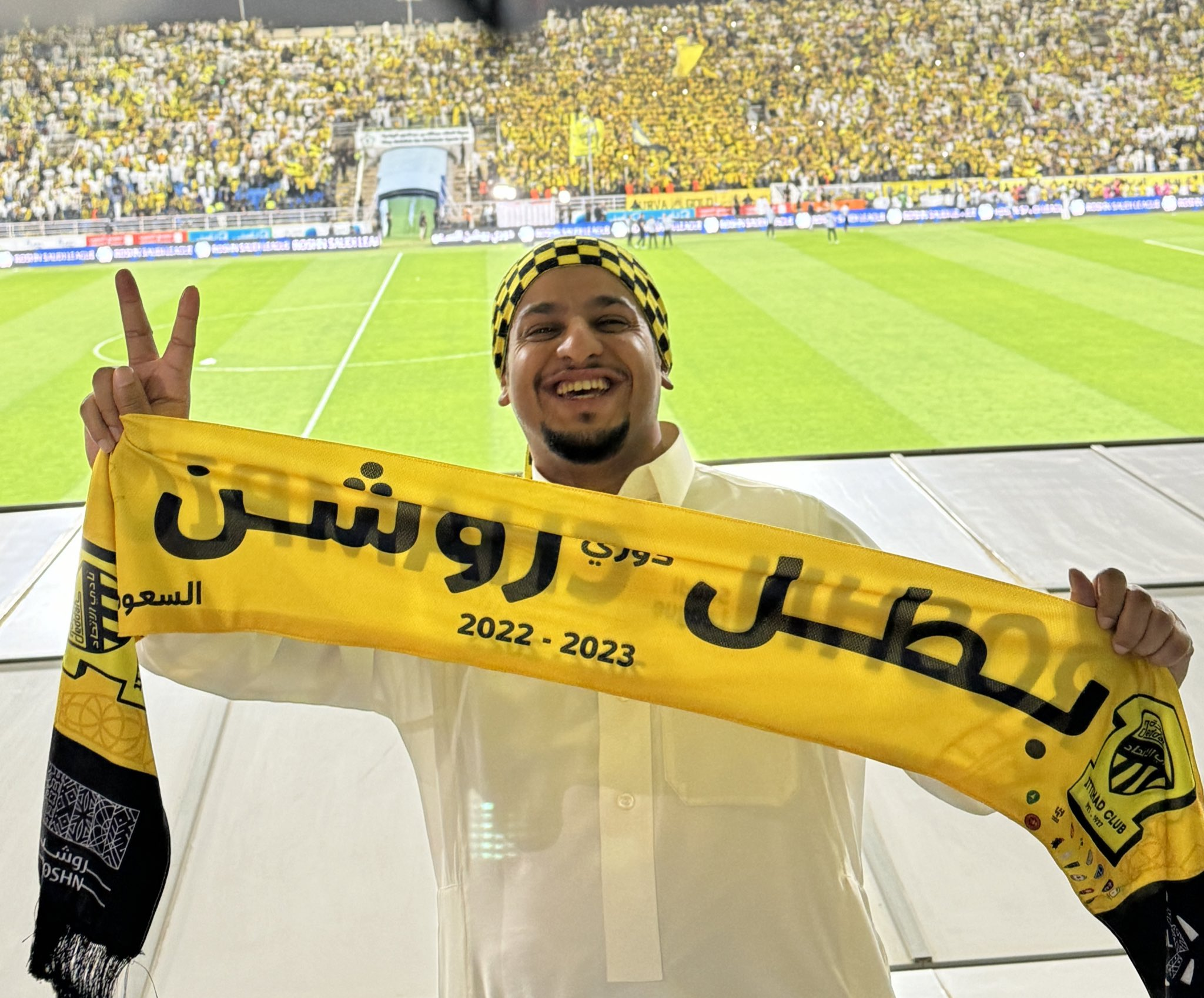
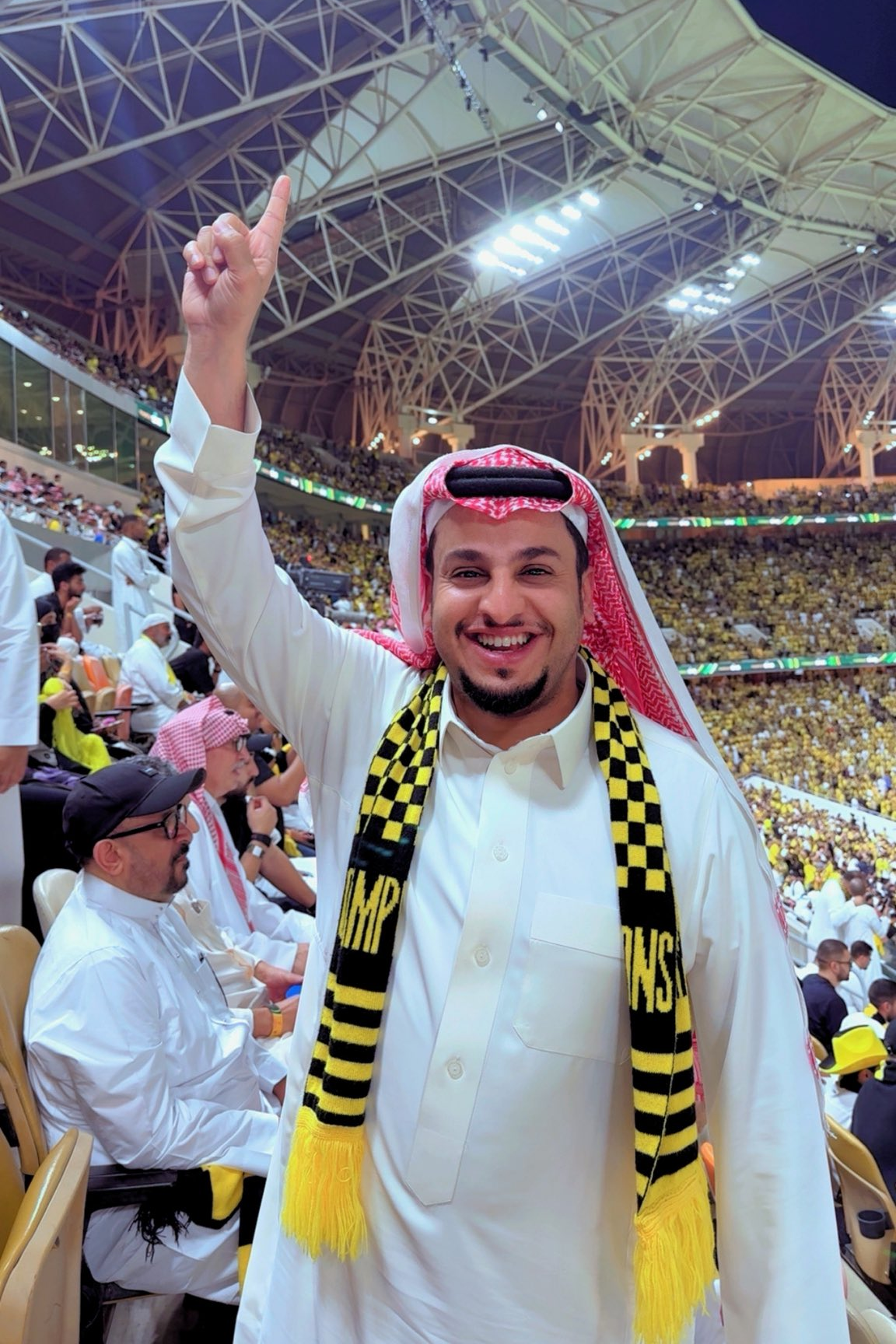
Faisal Al-Eissa was born in Jeddah, where part of his childhood unfolded in Mada’in Al-Fahd. He remembers a simple neighborhood rhythm. Children playing outside. Small local sellers. Football in the streets. Al-Ittihad songs in the background. That environment shaped him. His connection to Al-Ittihad began naturally through Jeddah, while the everyday characters and conversations around him would later become part of the kind of Saudi life he wanted to put on screen. When Faisal was around 11 or 12, his family moved to Riyadh because of his father’s work in education.
Television Was Already in the Family
Entertainment was not completely unfamiliar territory. Faisal Al-Eissa comes from an artistic family. His sisters appeared on Jeddah Television, performing songs and participating in programming. His late brother was also involved. As a very young child, Faisal sometimes appeared around these productions himself. At the time, it was hardly a career plan. But cameras, studios and television sets were already part of his world.
The First Break: Acting at Fourteen
A Summer that Changed His Direction
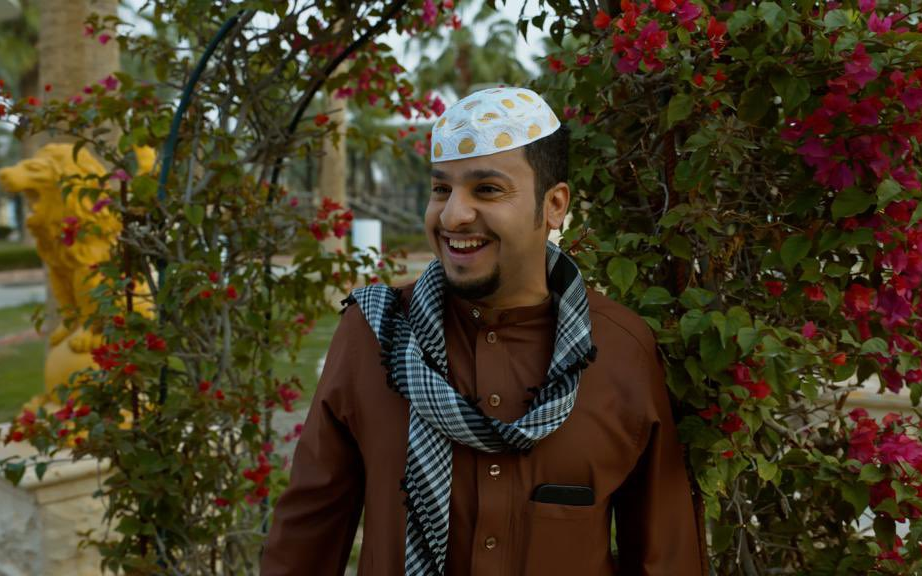
Faisal Al-Eissa’s serious acting journey began at around 14. Actors Imad Al-Mudaifer and Ayman Al-Mudaifer lived in his neighborhood, and Imad recommended him for the Saudi production Zaman Al-Majd, which was being filmed in Syria. Sending a young teenager away for several months was not an easy decision for his family. His father was hesitant. His mother saw an opportunity. Her view was simple: rather than spend the long summer doing nothing, Faisal could go and learn something.
The experience became his first major introduction to professional production. Senior Saudi actors guided him, watched over him and helped him understand the discipline of the industry. His role was significant, and the project itself carried a national theme. For Faisal, it was the beginning of something much bigger.
Learning the Industry: From Educational Television to Tash Ma Tash
After returning, Faisal Al-Eissa continued working. His early projects included Salamtak, Min Ajl Ghad Afdal and Yawmiyyat Rashid. Much of this work involved formal Arabic, giving the young actor experience with language, delivery and structured television production. Then came Tash Ma Tash.
Faisal joined the iconic Saudi series at around 16 or 17 after being recommended by Khalid Manqah. Working alongside established names such as Abdullah Al-Sadhan gave him exposure on a completely different level. Soon, people at school were recognizing him. Faisal had become one of the young faces appearing on one of Saudi television’s most important comedy programs.
Fame Came Before Financial Security
The money was modest. Faisal has recalled earning around SAR 400 for his first Tash Ma Tash episode, with later payments increasing. For a teenager, it felt exciting. But as he grew older, another reality became clearer. Recognition did not automatically mean stability.
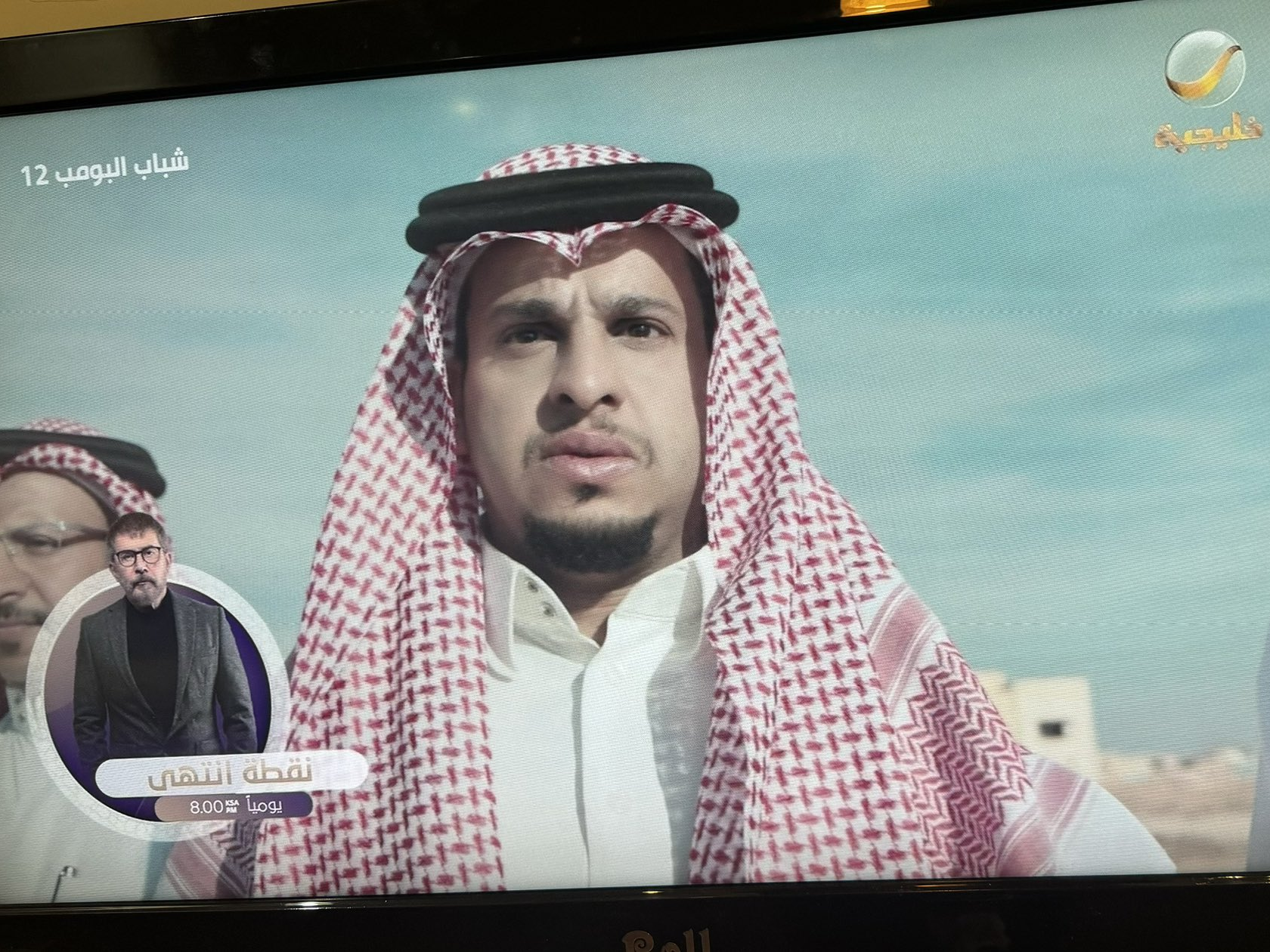
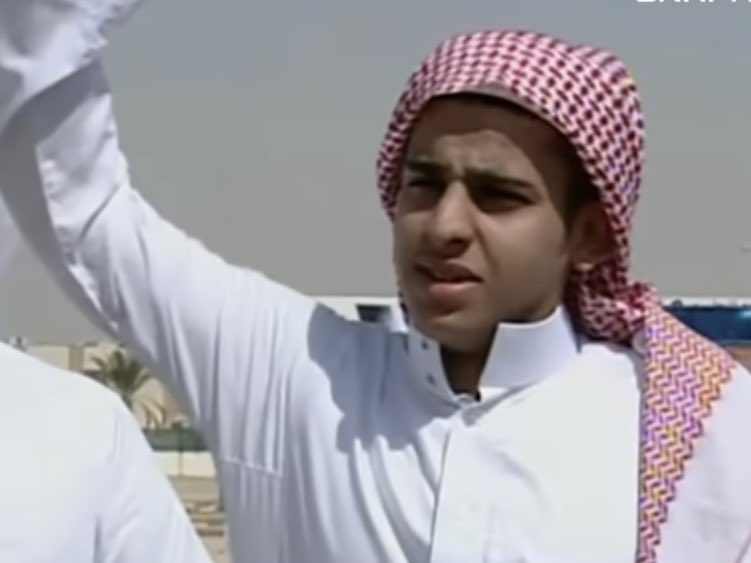
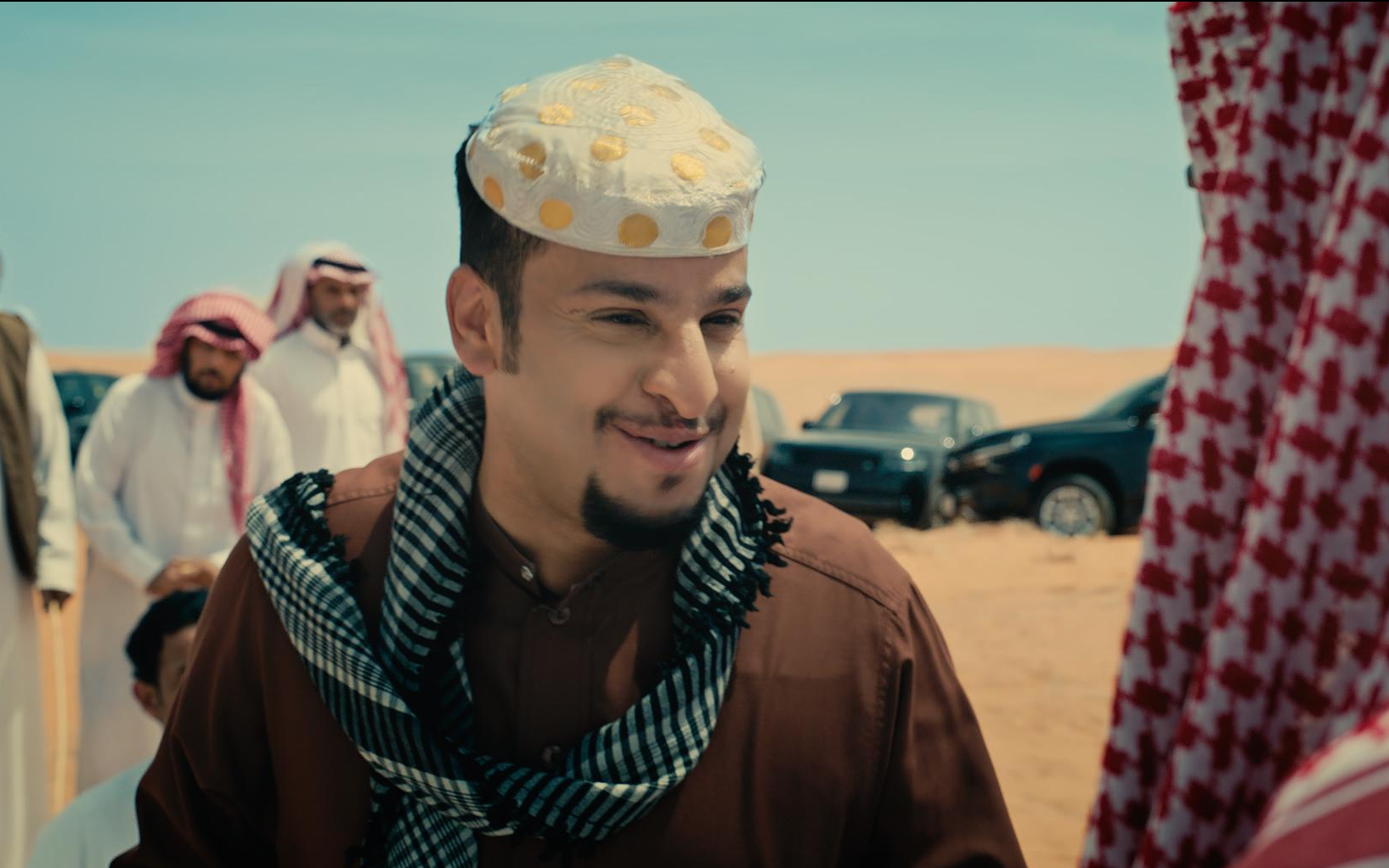
Faisal Al-Eissa recreates a memorable Qasas Square role in Shabab Al Bomb, echoing a similar Tash Ma Tash performance from over 20 years ago.
The Reality Behind Early Fame
After high school, Faisal Al-Eissa initially focused on acting instead of going straight to university. He had already entered the industry. People knew him. Opportunities were coming. For several years, that seemed enough. Then adulthood changed the calculation. Acting could cover petrol, meals and everyday expenses. But Faisal began thinking about building a home, getting married and supporting a future family.
He needed more stability. So he returned to education. He studied at King Abdulaziz University, focusing on health services and hospital administration. It was a practical decision, but it also connected him to a completely different side of his life.
The Career Few People Knew About
Fifteen Years in Mental-Health Care
For more than 15 years, Faisal Al-Eissa worked at Al-Amal Psychiatric Hospital, later associated with Eradah Mental Health Complex and services for mental health and addiction. It became one of the most meaningful experiences of his life. Faisal was not working as a psychiatrist or psychologist. His contribution centered around activities, occupational engagement and theatre. That distinction is valuable. He was bringing something he already understood (performance) into a space where communication and human connection could make a difference.
When Theatre Became a Way to Connect
Some patients recognized Faisal from television. That familiarity helped. Instead of approaching them through something formal, he could begin with a simple invitation: create a play. Patients would suggest characters and situations. A father. A police officer. A family problem. A conflict. Sometimes those choices reflected something personal.
Performance gave people another way to express what might be difficult to say directly. Faisal also helped organize celebrations, activities and entertainment for patients, including National Day and Eid events. The experience shaped his understanding of success.
“Life isn’t only about you, your success, or how much money you make. There are other people.”
That idea would later fit naturally with the way he approached entertainment too. People first.
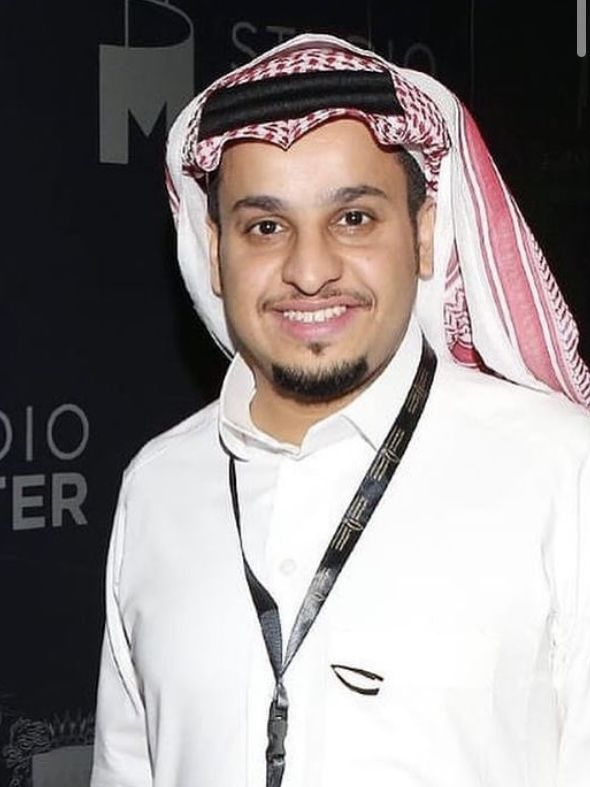
The Missing Audience: Why Faisal Created Shabab Al Bomb
Between Cartoons and Adult Drama
Long before Shabab Al Bomb, Faisal Al-Eissa had noticed a gap. As a young teenager, he would come home and find entertainment aimed largely at two groups. Children had cartoons. Adults had dramas about marriage, divorce, addiction and serious family problems. But where were the stories about teenagers? Where were the young people dealing with friendships, school, football, technology, ambition, boredom and everyday social life? Faisal believed this audience was being overlooked.
Listening Before Creating
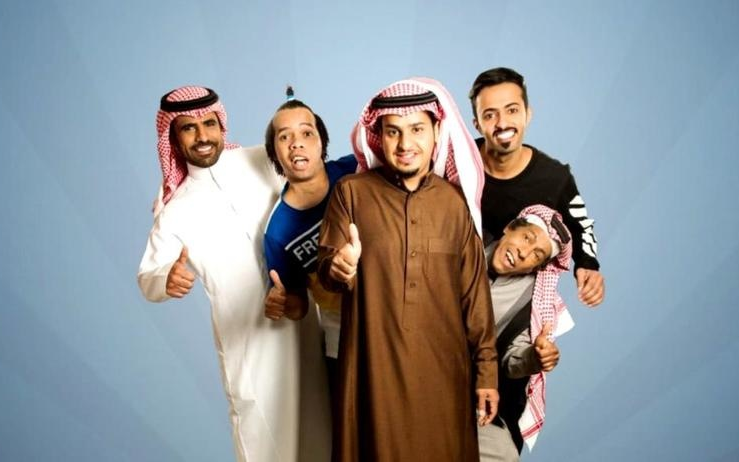
His work on the youth program Sawalif Shabab helped sharpen that idea. The program brought him into direct contact with young Saudis and their opinions. He listened to how they spoke. He saw what interested them. He noticed what they worried about. That became informal audience research. Faisal did not invent a new generation. He simply noticed a generation television was not fully seeing.
Building Shabab Al Bomb
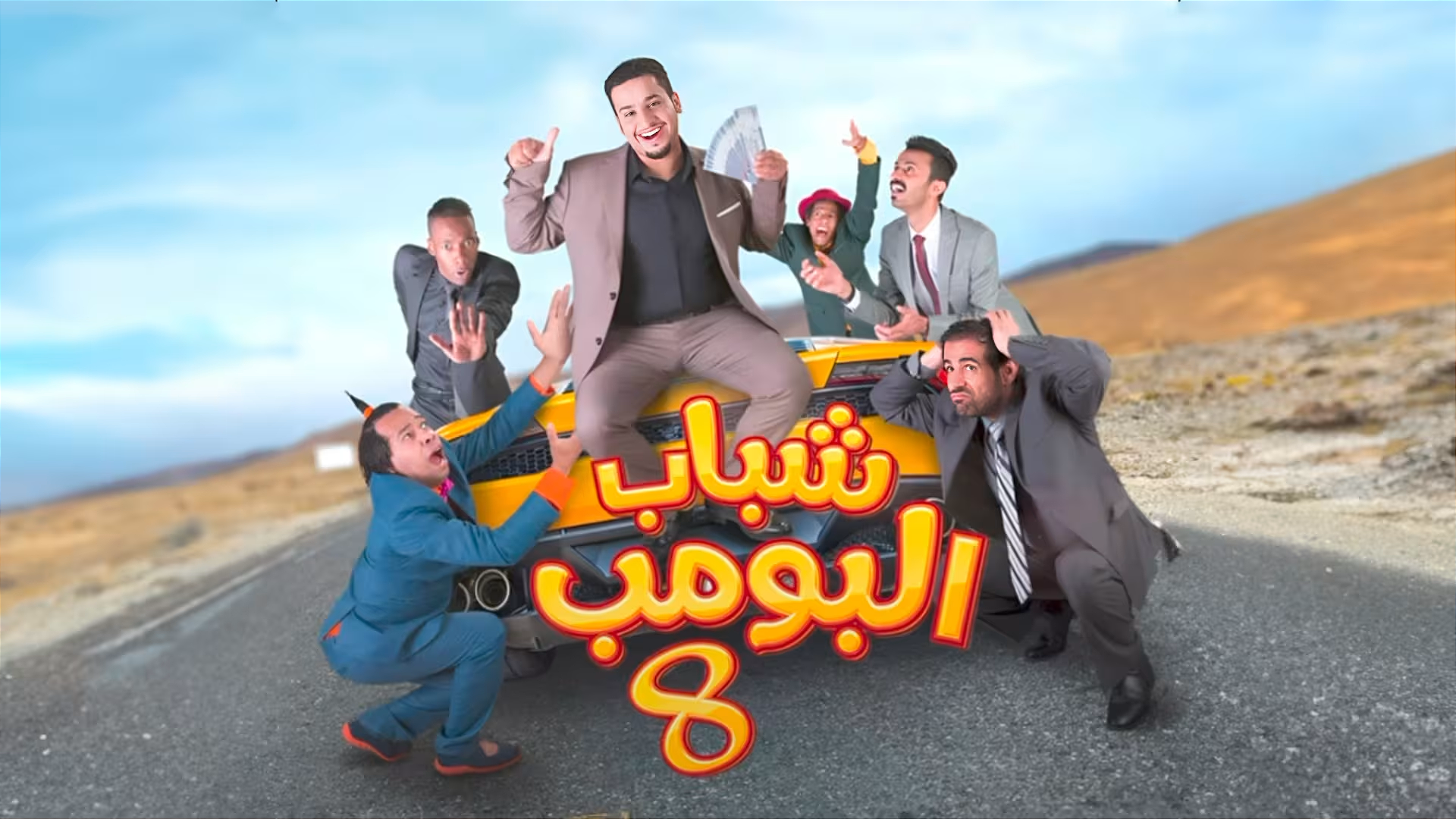
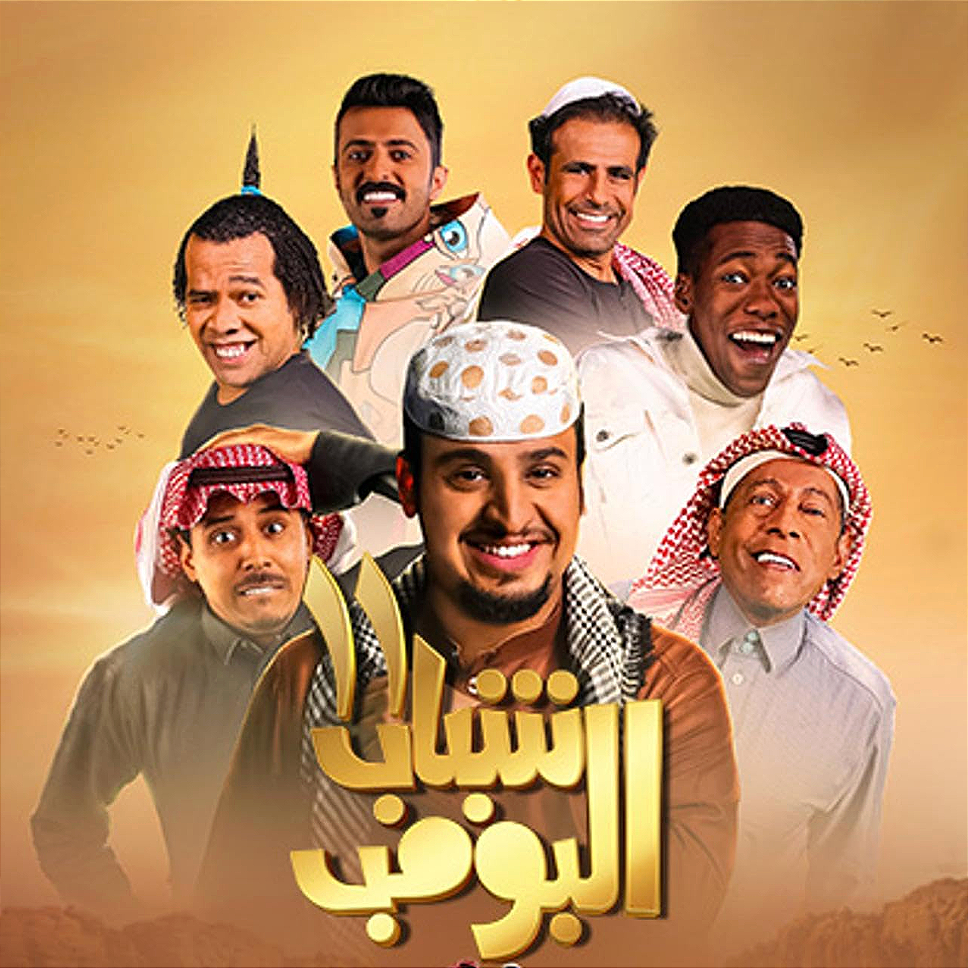
Faisal Al-Eissa developed a pilot around 2010–2011 and presented it to Saudi Television. The concept was simple but clear: a light Saudi production built around young people and the situations they actually recognized. The first season arrived in 2012. The series moved through different Saudi television platforms before eventually reaching Rotana Khalejia, where its regional reach expanded significantly. But getting there was not easy. Faisal borrowed money. He worked exhausting hours. He spent long periods in editing rooms. At times, the future of the project itself was uncertain. There was even a period when the show was stopped. Instead of ending the story, that setback created curiosity around its return. Shabab Al Bomb survived. Then it grew.
More Than Amer: The Creative Engine Behind the Franchise
Faisal Al-Eissa’s role has always been bigger than playing Amer. He has described himself as involved from the first idea through to the final delivered production. That means discussing concepts, developing stories, reviewing dialogue, shaping comedy and supervising the final product. The creative process is collaborative. Ideas are discussed by the team. Opinions can differ. Even Faisal’s preferred idea does not automatically win. He became the face of the franchise without treating the franchise as a one-man project.
The Audience Comes First
Simplicity became a strength
Faisal Al-Eissa’s creative philosophy can be summarized in one sentence:
“Our first and last goal is the audience.”
The team studies what viewers respond to. Which episodes work? Which ones do not? Which situations feel real? One lesson became especially clear: expensive production does not automatically create emotional connection. Sometimes episodes built around an istiraha, a neighborhood, a park or a group of friends could connect more strongly than episodes built around major guest stars.
The reason was simple. Saudi viewers could recognize themselves. And audiences elsewhere in the Arab world were also interested in seeing something genuinely Saudi. The local identity became an advantage.
From Saudi Television to an Arab Youth Phenomenon
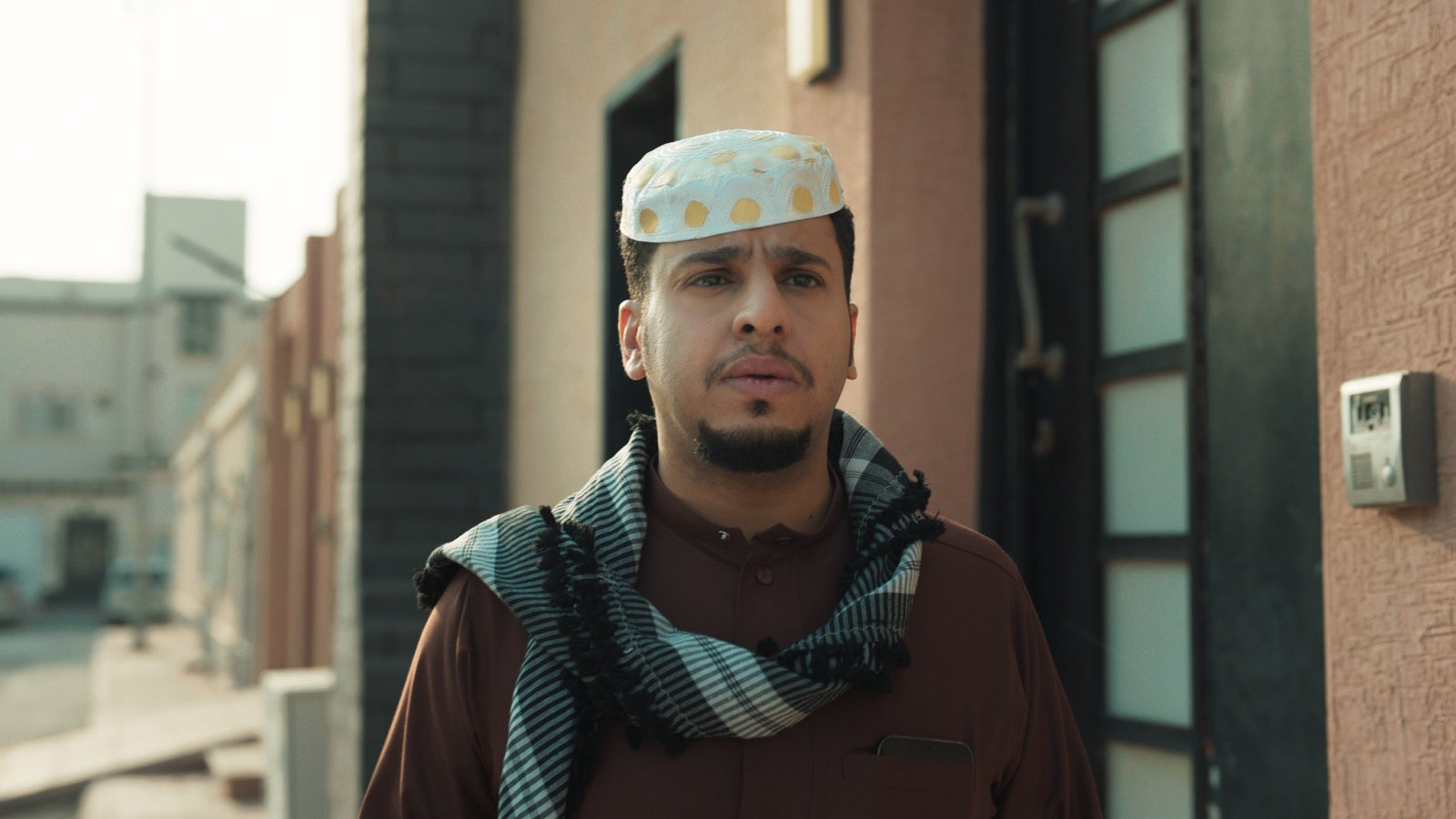
Saudi Arabia became the franchise’s biggest digital market, while countries such as Iraq and other Gulf and Arab markets also developed major audiences. Faisal Al-Eissa has spoken about billions of accumulated views across Shabab Al Bomb content and individual episodes attracting millions of digital views. The exact figures have changed over time. The broader point is harder to miss. A program built around ordinary Saudi youth culture crossed borders. Its humor was local. Its characters were Saudi. Its settings were familiar. Yet the emotions travelled.
A Generation Grew Up With Shabab Al Bomb
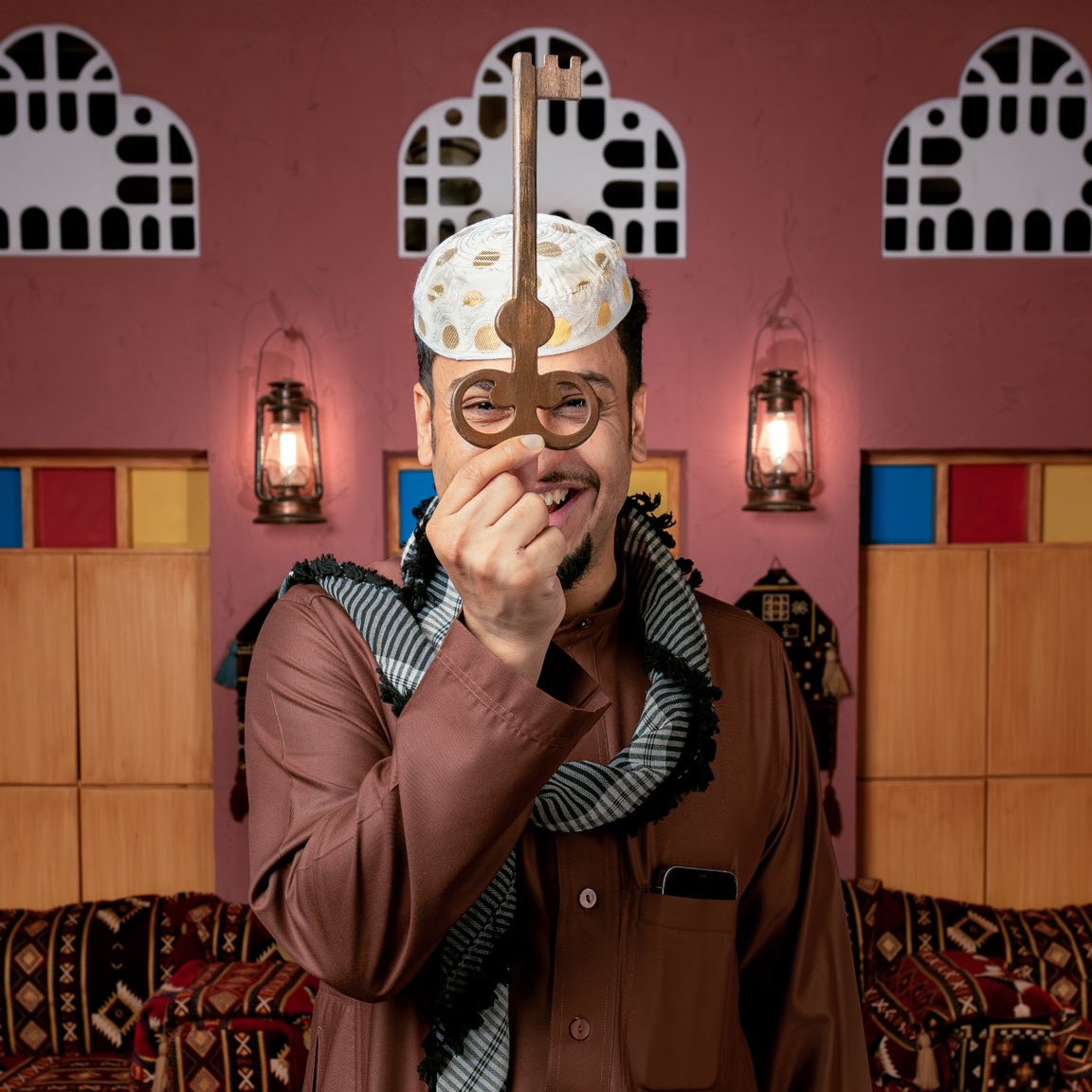
One of the most interesting parts of the franchise is time. A teenager who began watching Shabab Al Bomb during its early seasons may now be an adult in their twenties. The show became part of Ramadan memories, school years and the early social-media era. Amer stopped being only a television character. For many viewers, he became nostalgia. That creates an unusual relationship between Faisal and his audience. They did not simply discover him. They grew up with him.
Taking Saudi Youth Entertainment to the Cinema
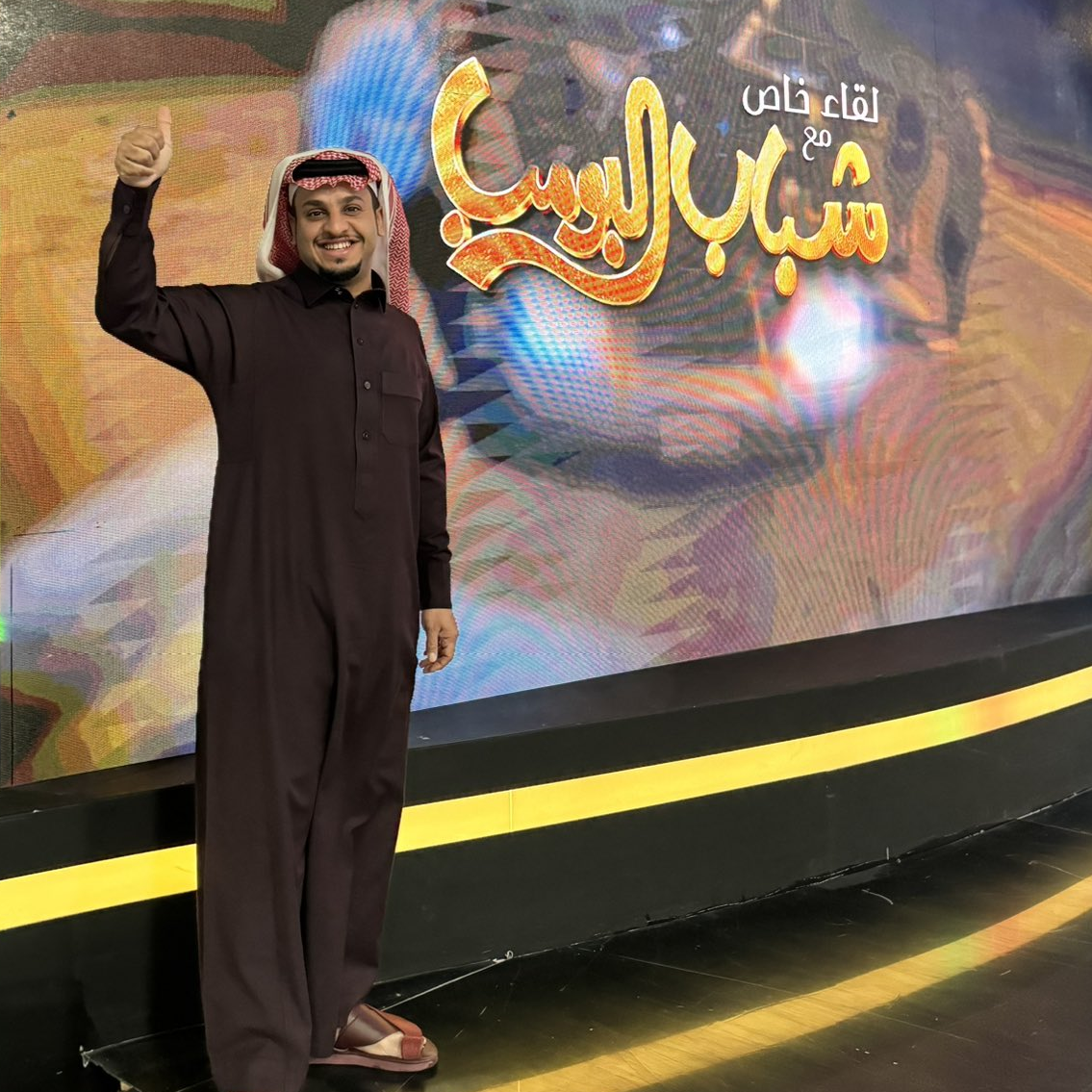
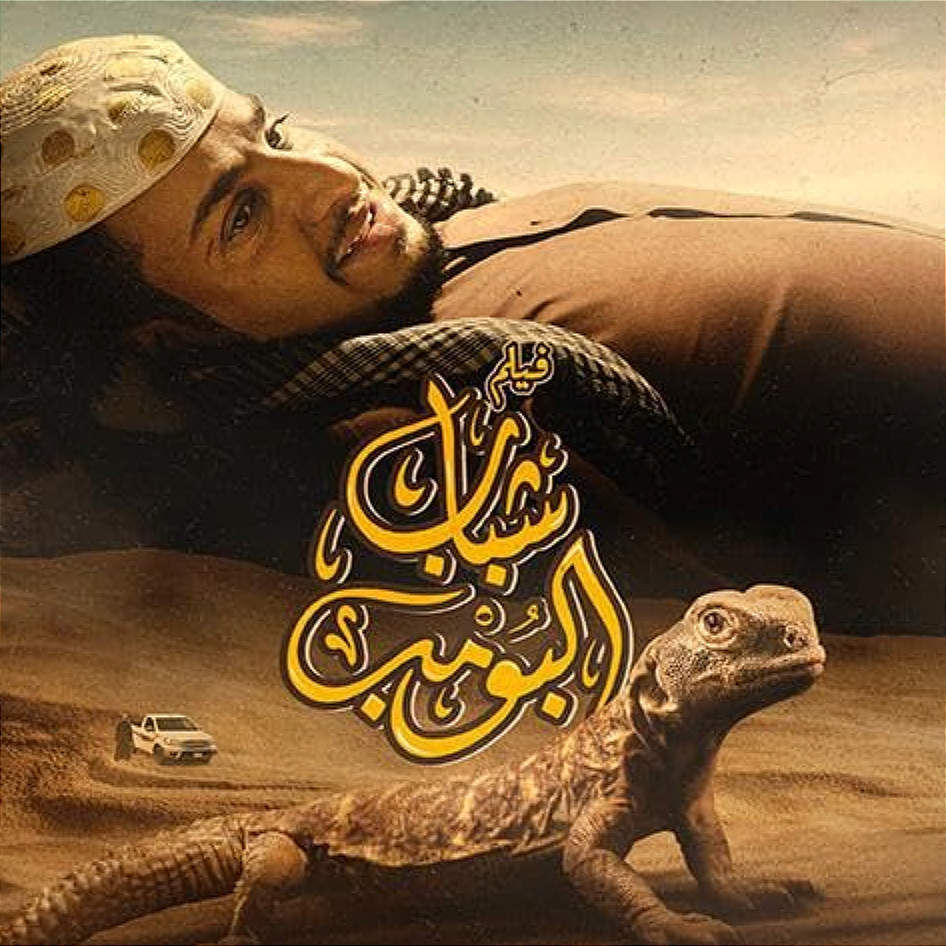
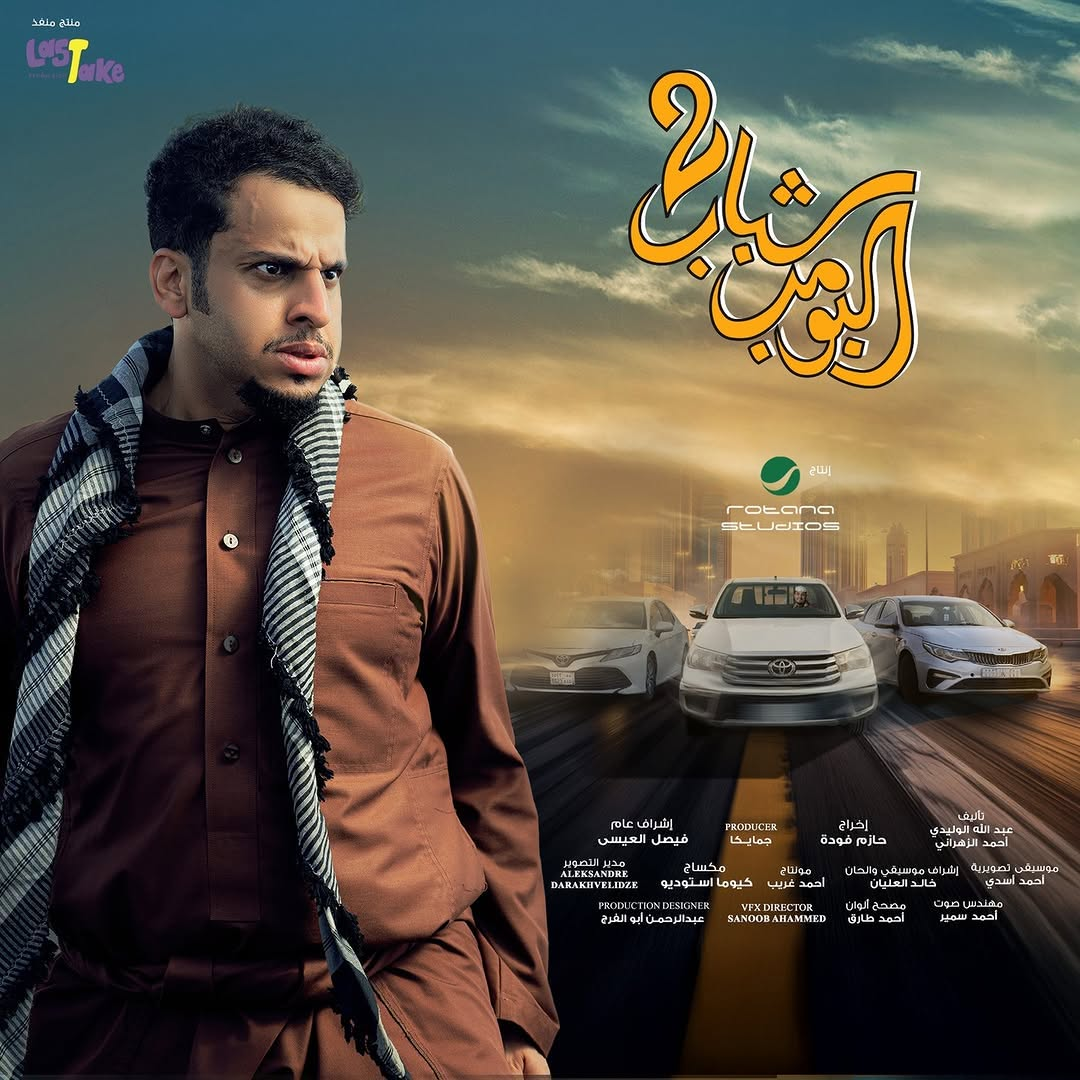
The franchise eventually made another leap. Cinema. The first Shabab Al Bomb feature film arrived in 2024 and became a major commercial Saudi release, selling more than 618,000 tickets during the reported period and generating more than SAR 26 million. Shabab Al Bomb 2 followed in 2025. Then came Shabab Al Bomb 3 in 2026. Faisal Al-Eissa announced that the third film sold around 485,000 tickets in its first nine days across Saudi Arabia and other markets. The evolution is remarkable. A youth concept that began on Saudi television had moved through broadcast, YouTube and social media before becoming a cinema franchise.
Recognition and Industry Impact
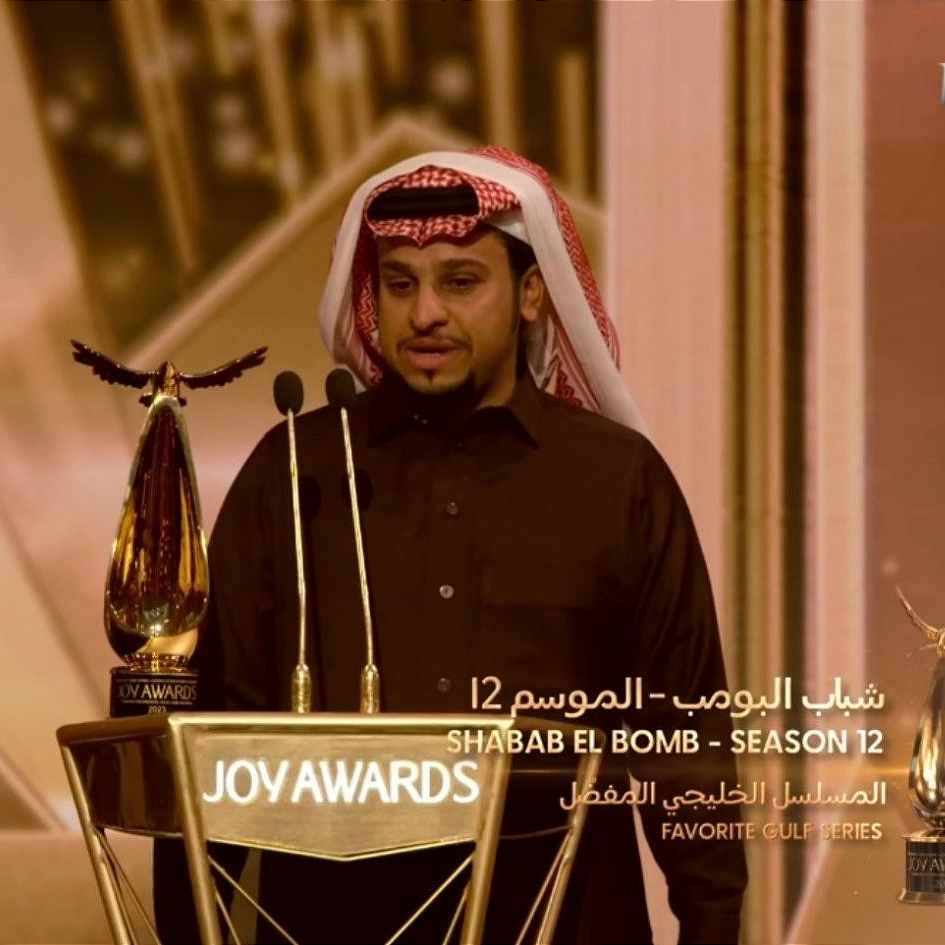
The franchise has also gained mainstream industry recognition. Shabab Al Bomb 12 won Favorite Gulf Series at the Joy Awards 2025, while Faisal Al-Eissa received a nomination for Favorite Actor in a Film. By 2026, the television franchise had reached its fourteenth season. The wider universe has also expanded through projects such as Banat Al Bomb.

Voice & Vision: What Faisal’s Career Says About Saudi Entertainment
Faisal Al-Eissa started working in a Saudi entertainment landscape very different from today. Opportunities were fewer. Cinema infrastructure was limited. Youth-focused local content was rare. Saudi creators had fewer platforms through which to reach regional audiences. Today, the picture has changed dramatically.
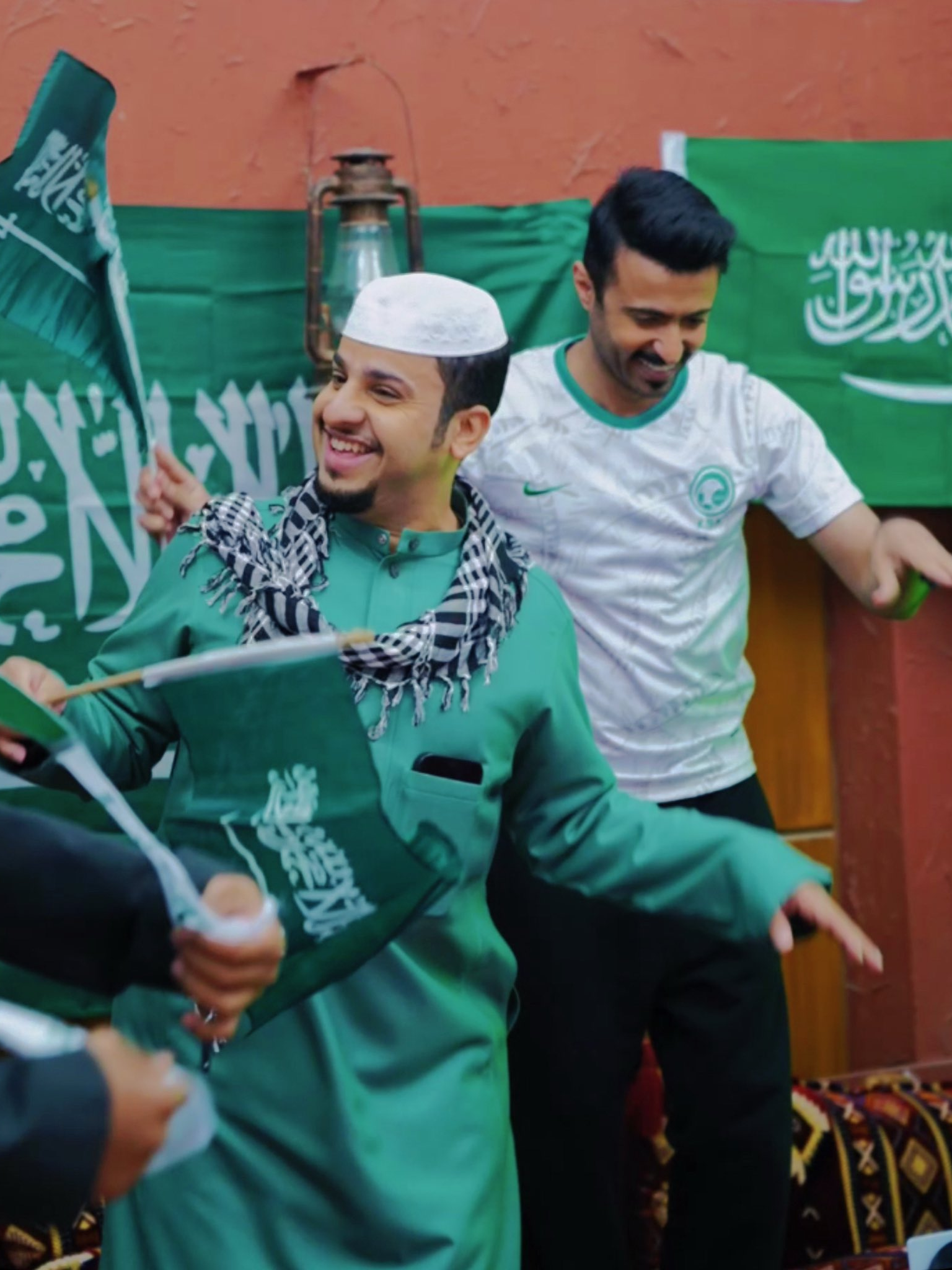
Saudi cinemas are established. Local films compete alongside global releases. Production companies are expanding. Audiences are actively seeking Saudi stories. Faisal’s career connects those two eras. He was working before the transformation accelerated. Now he is participating directly in its possibilities. His journey reflects many of the ambitions associated with Vision 2030: youth participation, cultural confidence, local content, entrepreneurship and creative-industry growth.
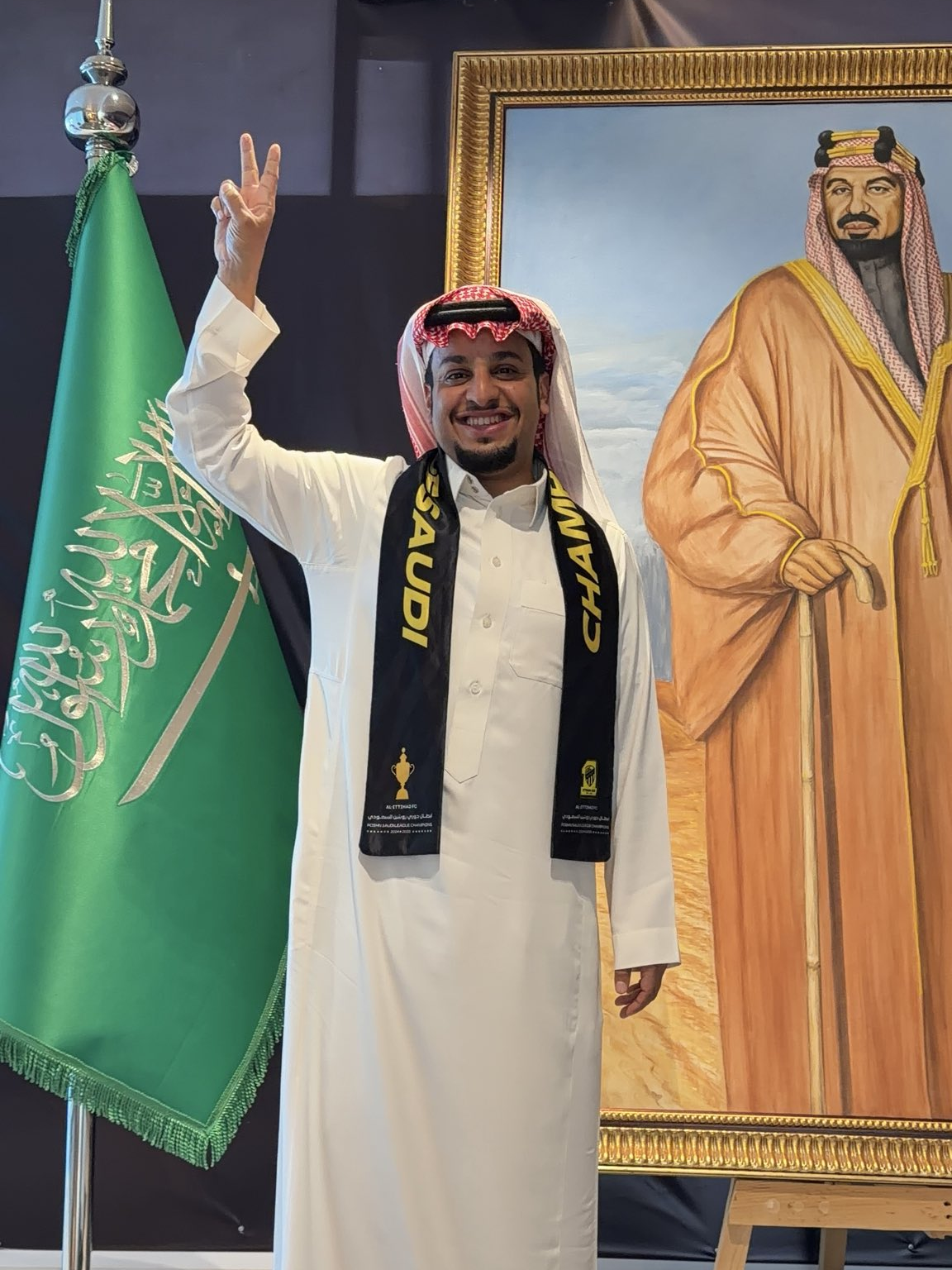
Legacy & Next Steps
By 2026, Faisal Al-Eissa had already achieved something difficult. He had helped create a Saudi entertainment franchise capable of surviving changes in television, digital media, audience habits and cinema. The next question is what comes after that. More films? New characters? Talent development? Another franchise? A larger role behind the camera?
Whatever direction he chooses, his legacy is already becoming clear. Faisal proved that ordinary Saudi youth could be placed at the center of a story and become commercially powerful. He proved that local language and local environments could travel. And he proved that listening to an audience can sometimes matter more than trying to impress one.
There is also a deeper thread running through his story. At the hospital, Faisal learned to connect with people who needed to be heard. In entertainment, he built something for a generation that also wanted to feel seen. Different worlds. The same instinct: Understand people first.
That may ultimately explain why Faisal Al-Eissa has remained relevant for so long. And as Saudi entertainment enters an even more ambitious chapter, his story is no longer only about whether Saudi creators can succeed. It is about how far they can build once they do.
Follow Faisal Al-Eissa's journey on X and snapchat.


