


Some careers begin with a clear plan. Others begin with curiosity. For Hisham Baeshen, curiosity became the bridge between food, storytelling, culture, and eventually, a professional culinary career. Known to millions online as Misho Baeshen, he first built his name as a food blogger and digital creator. Over time, that role gave him access to professional kitchens, chefs, techniques, and culinary traditions from different parts of the world.
Today, Baeshen is recognized as one of Saudi Arabia’s most visible culinary personalities, the founder of Fi Glbak, a restaurant recognized by the MICHELIN Guide with a Bib Gourmand, and a voice committed to presenting Saudi cuisine with greater depth. His journey reflects more than personal success. It reflects how Saudi food itself is changing position.
Foundations in Al Khobar
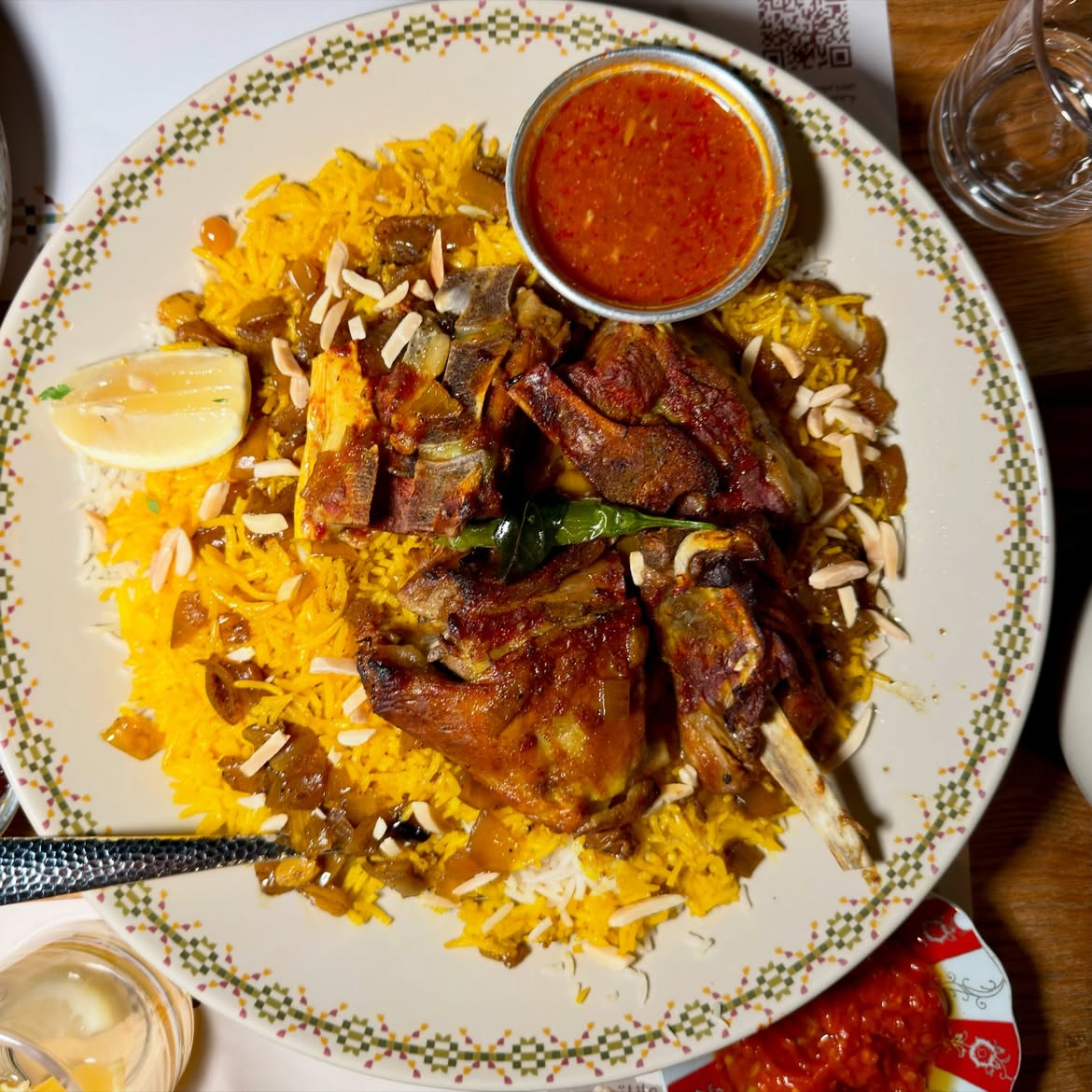
Hisham Baeshen was born and raised in Al Khobar, in Saudi Arabia’s Eastern Province. His connection to food began early. He has spoken about developing a passion for cooking from around the age of nine, surrounded by family dishes and the flavors of the Eastern Province. One of his strongest childhood memories is his mother preparing majbous sharqawi, a dish that later became part of the menu at Fi Glbak.
Another is Bedouin rice, cooked in meat broth and traditionally served in his family before the first day of Ramadan. These memories would later become important to his culinary identity. For Baeshen, food was never only about taste. It carried people, places, rituals, and family history. That emotional connection remains central to the way he approaches Saudi cuisine today.
A Career That Did Not Start in a Kitchen
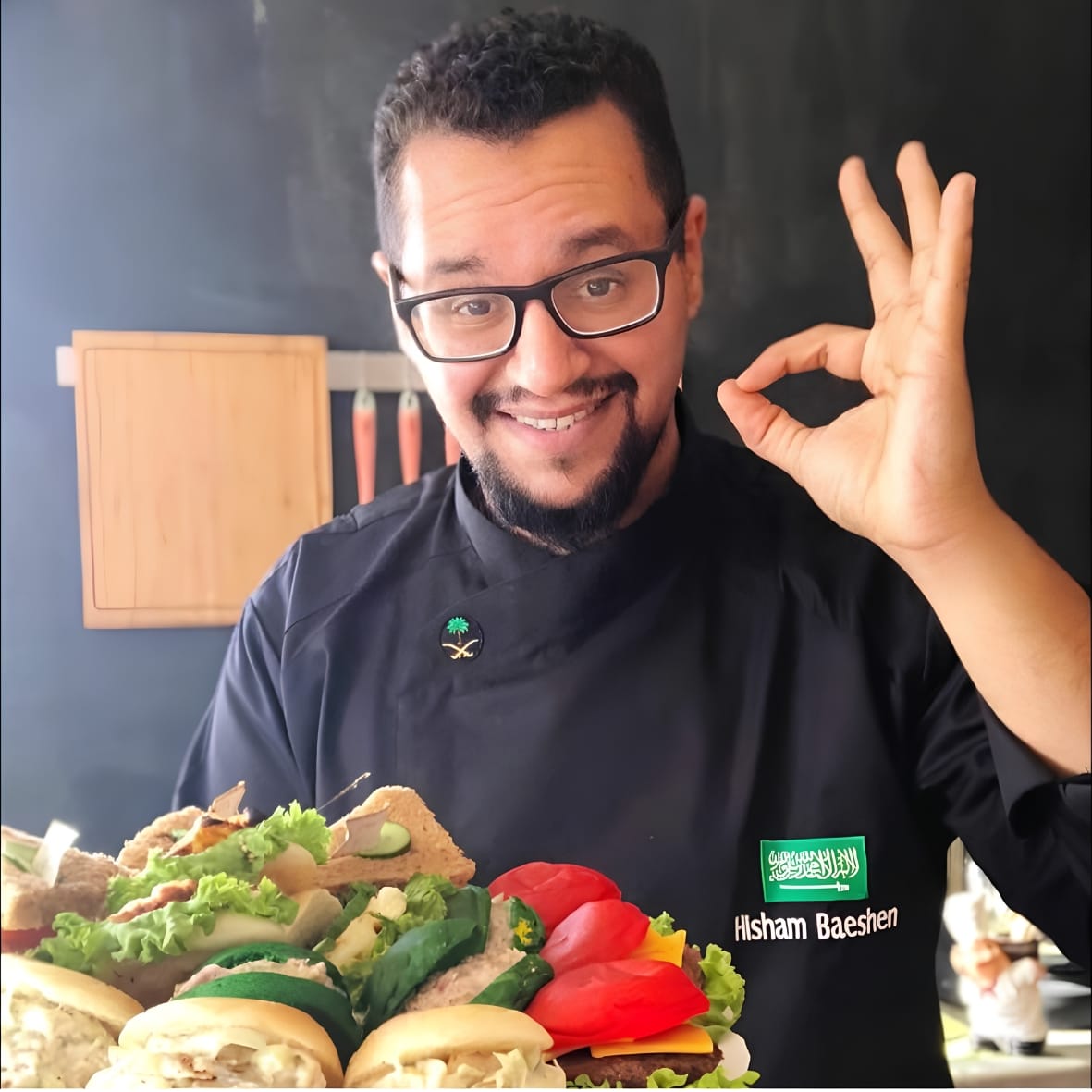
Hisham Baeshen did not follow a conventional chef’s path. Before becoming known for food, he studied in a logistics-related field and worked professionally in supply operations. Cooking remained a passion rather than his full-time career. That began to change in 2014. While watching the film Chef, Baeshen became fascinated by two characters: the chef at the center of the story and the food blogger whose review changes the direction of his career.
“I decided to become a food blogger after seeing that film”
It became a turning point. He started documenting food experiences, reviewing restaurants, creating content, and developing a public voice around cuisine. The audience came quickly. But more importantly, so did access.
Turning Food Blogging Into an Education
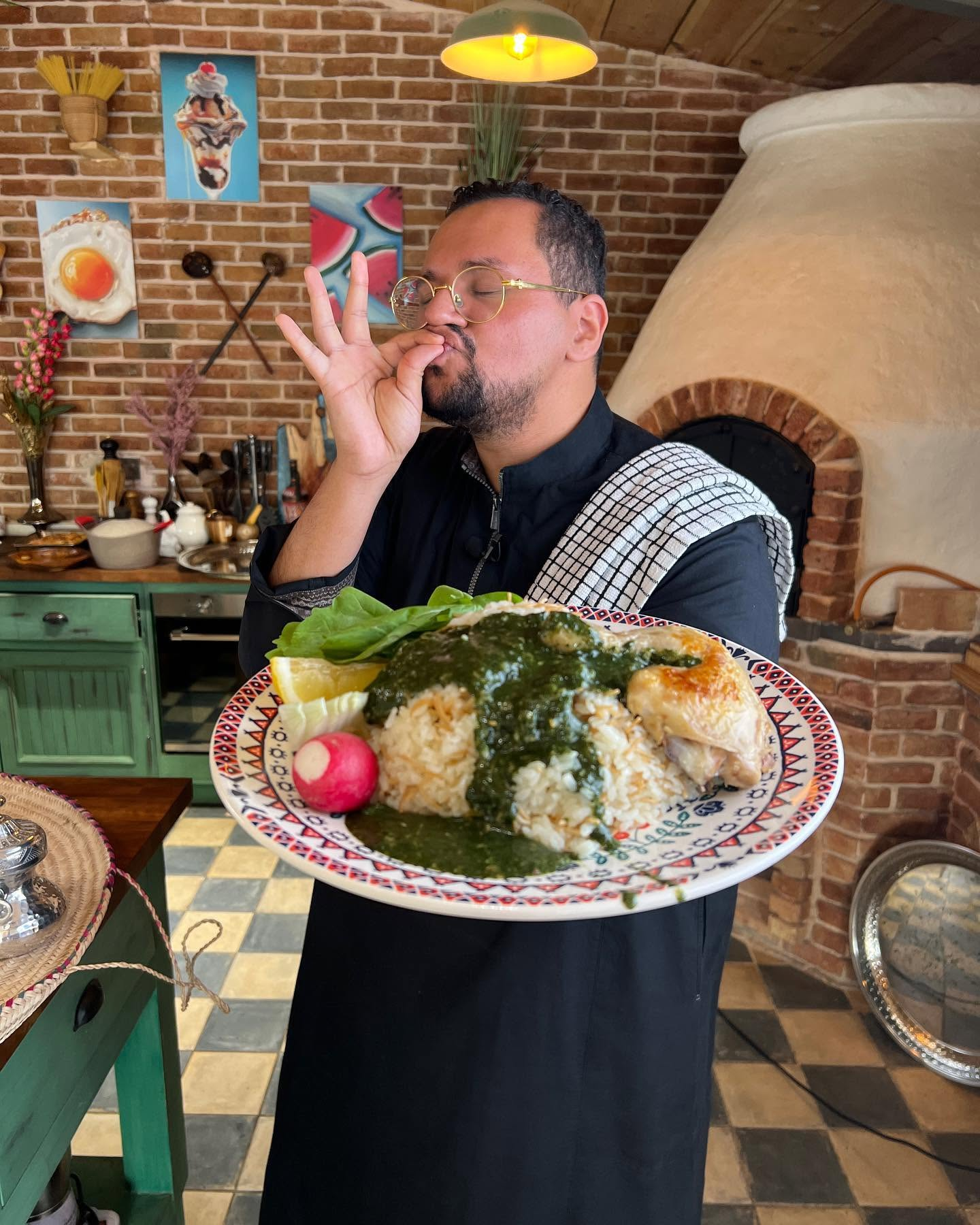
Hisham Baeshen’s digital success gave him something more valuable than visibility. It gave him entry into professional kitchens. Since around 2016, he says he began deliberately visiting chefs, studying their methods, cooking alongside them, and exchanging recipes.
“My presence as a food blogger has greatly helped me connect with professional chefs and understand their methods of preparing dishes”
Instead of treating food blogging only as media, Baeshen turned it into a form of informal culinary education. He observed chefs in different countries. He learned techniques. He studied how they thought about ingredients and menu development. This period became fundamental to his transition. He was not simply moving from content creation into cooking. He was building knowledge through years of direct exposure.
The Moment Cooking Became More Serious
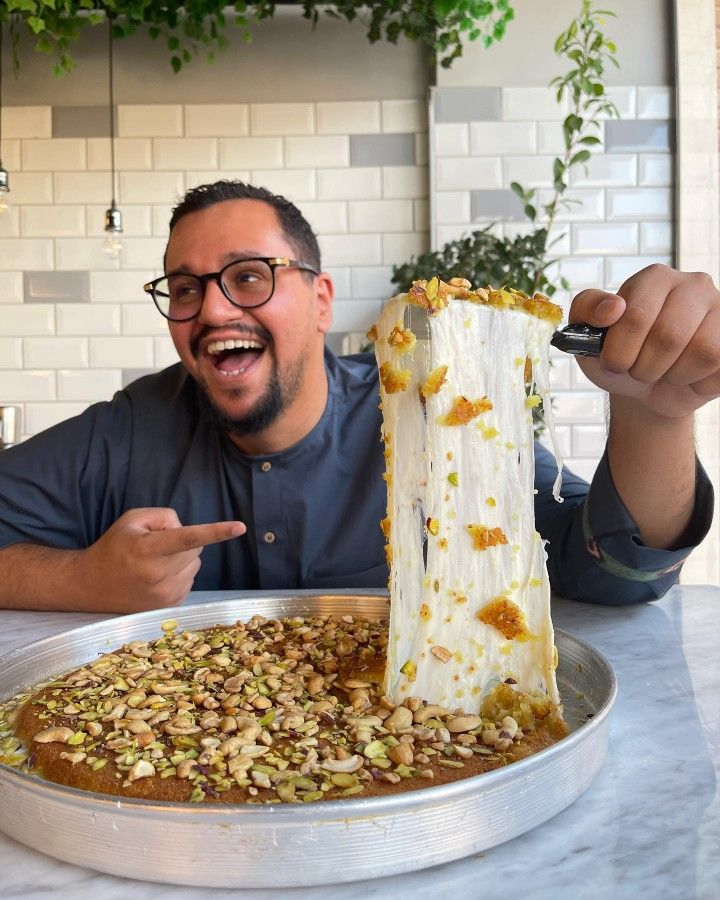
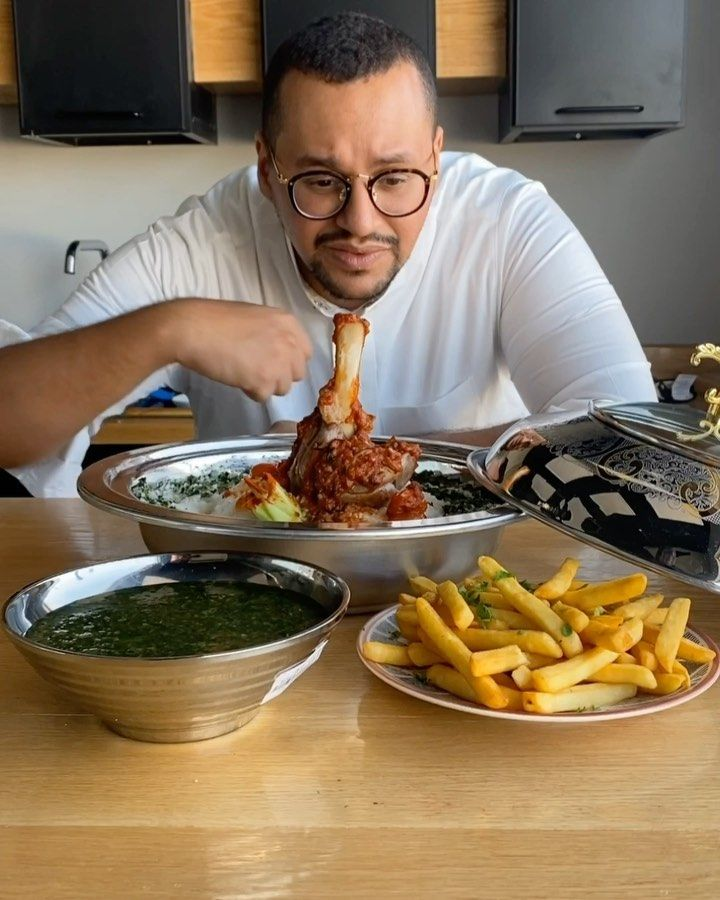
By 2018, Baeshen had reached another turning point. Food content was already a major part of his public identity, but he increasingly realized that cooking itself had become his deeper interest. He began moving away from simply showing restaurant experiences and toward creating his own recipes. That shift was gradual. In fact, Baeshen has said that for years he resisted calling himself a chef.
“Throughout the past 12 years, I’d never called myself a chef until I opened and operated my restaurant”
That statement reveals something important about his mindset. Recognition online was not enough. He wanted the responsibility that came with running a kitchen, building menus, managing a restaurant, and serving people consistently.
“Fi Glbak” Becomes a Brand
Long before it became the name of a restaurant, “fi galbak”, meaning “in your heart,” was closely associated with Hisham Baeshen’s online personality. The phrase became one of his most recognizable signatures. Eventually, it became the name of his biggest professional step.
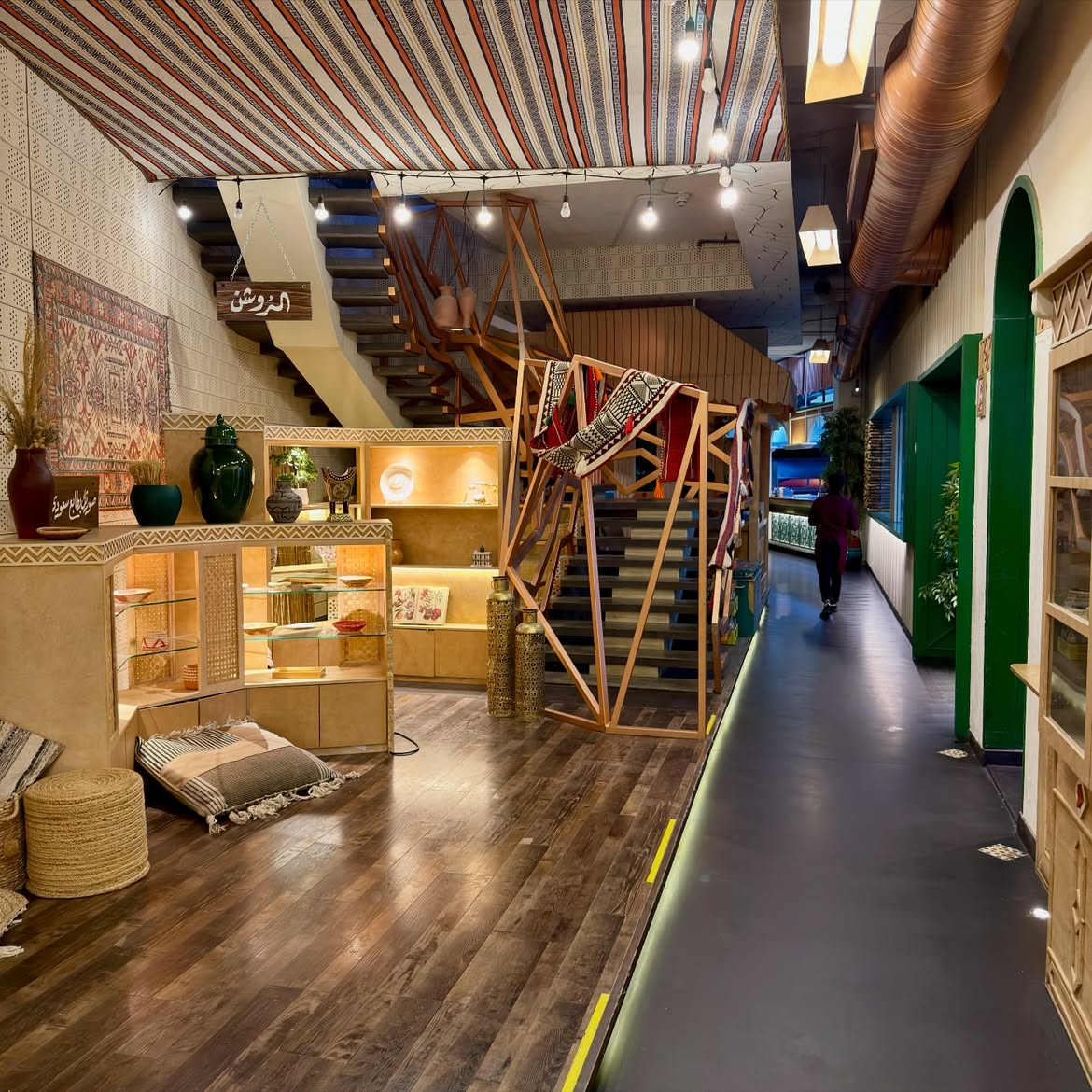
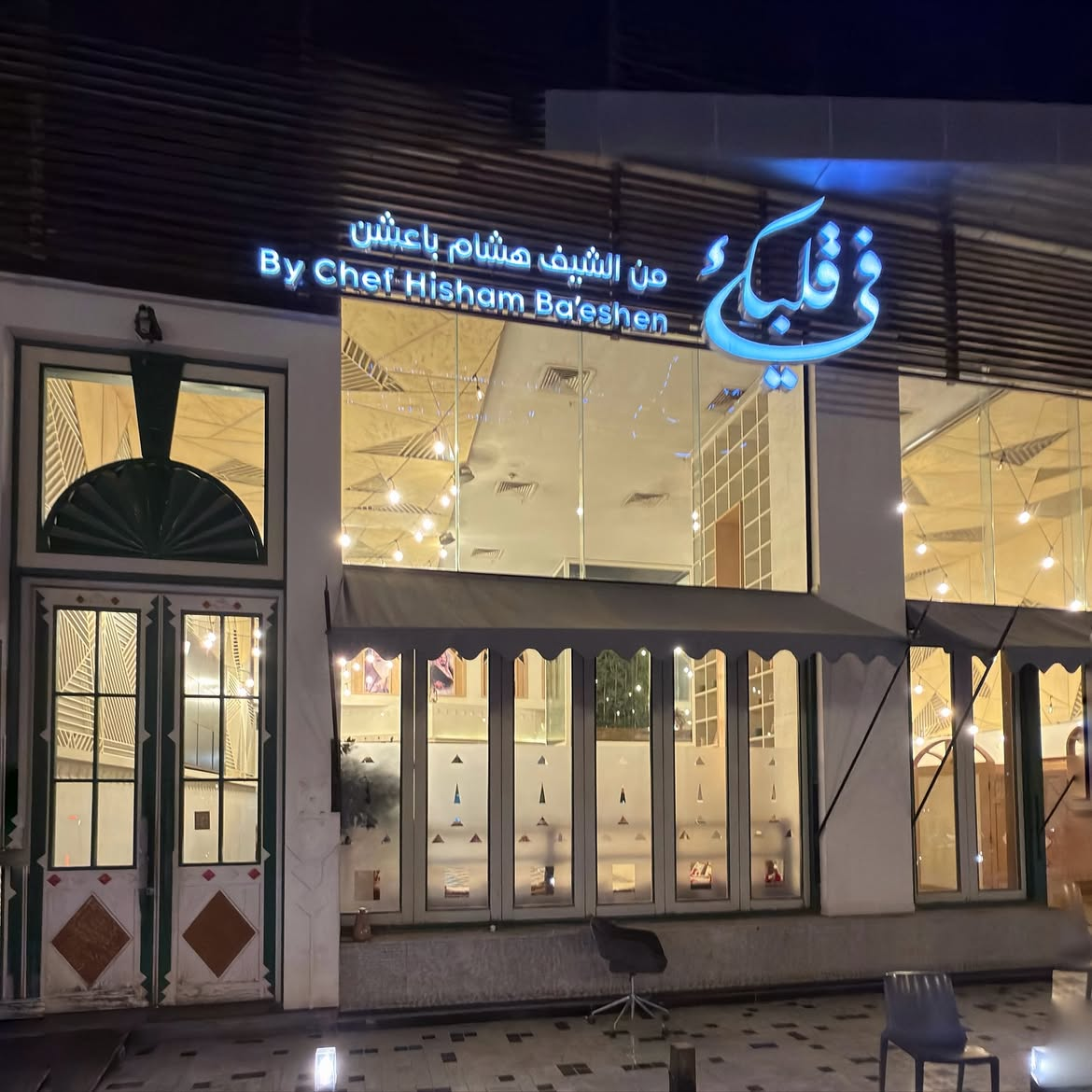
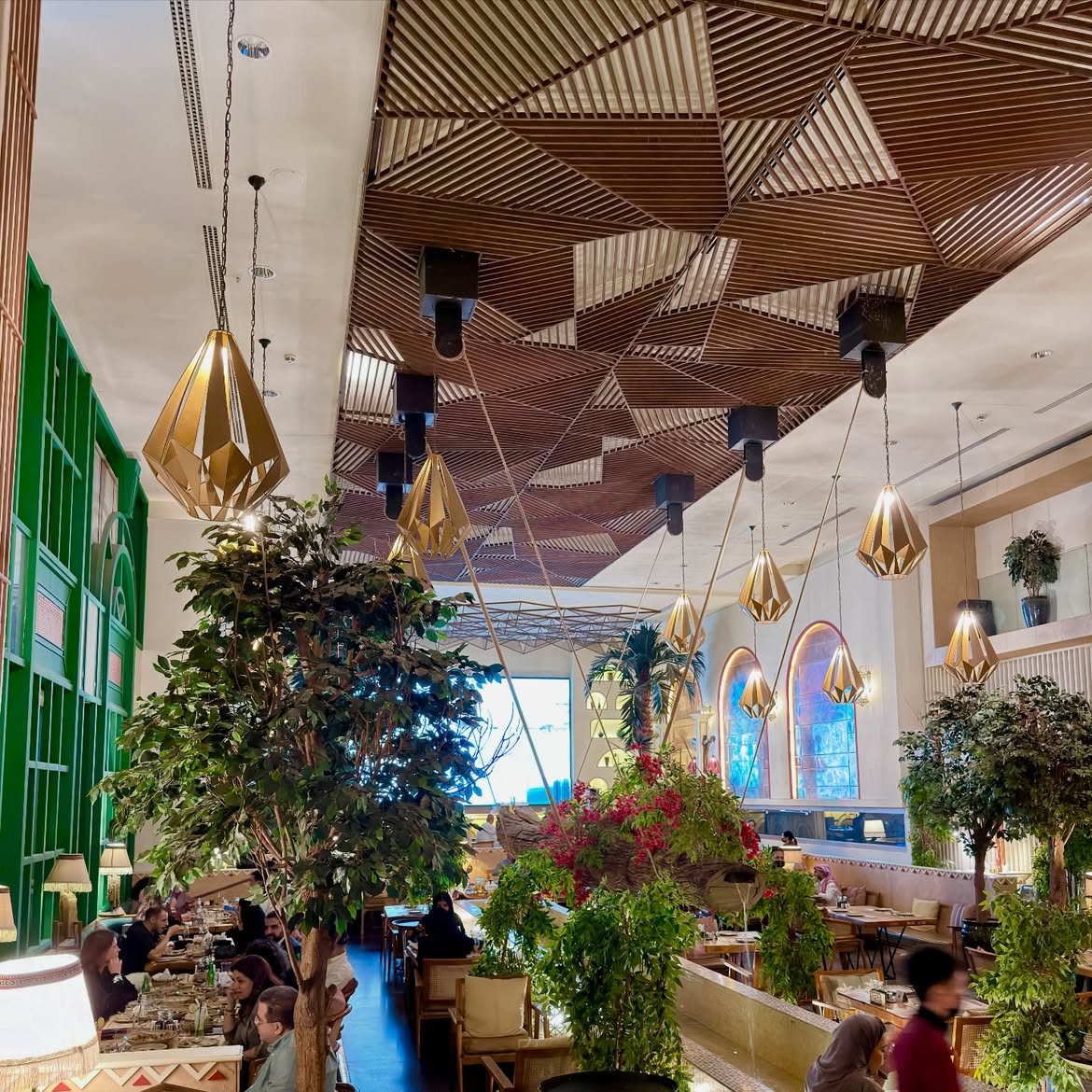
In 2023, Baeshen opened Fi Glbak in Riyadh. The idea was unusually personal. Rather than inventing an entirely new culinary identity for the restaurant, he built it around many of the same recipes and ideas he had already shared with his digital audience.
“I always blogged online, so thought: why not do it offline?”
Fi Glbak became the physical version of a relationship he had been building with followers for years. The screen became a dining room. The recipes became a menu. The catchphrase became a hospitality brand.
Showing the Full Range of Saudi Cuisine
Fi Glbak also gave Hisham Baeshen a platform to challenge one of the most persistent simplifications surrounding Saudi food. For many international diners, Saudi cuisine is still reduced to one dish: kabsa. Baeshen wants to broaden that picture.
“At Fi Glbak, I want my guests to notice the breadth of Saudi culinary heritage and traditions, as well as the power of our kitchen”
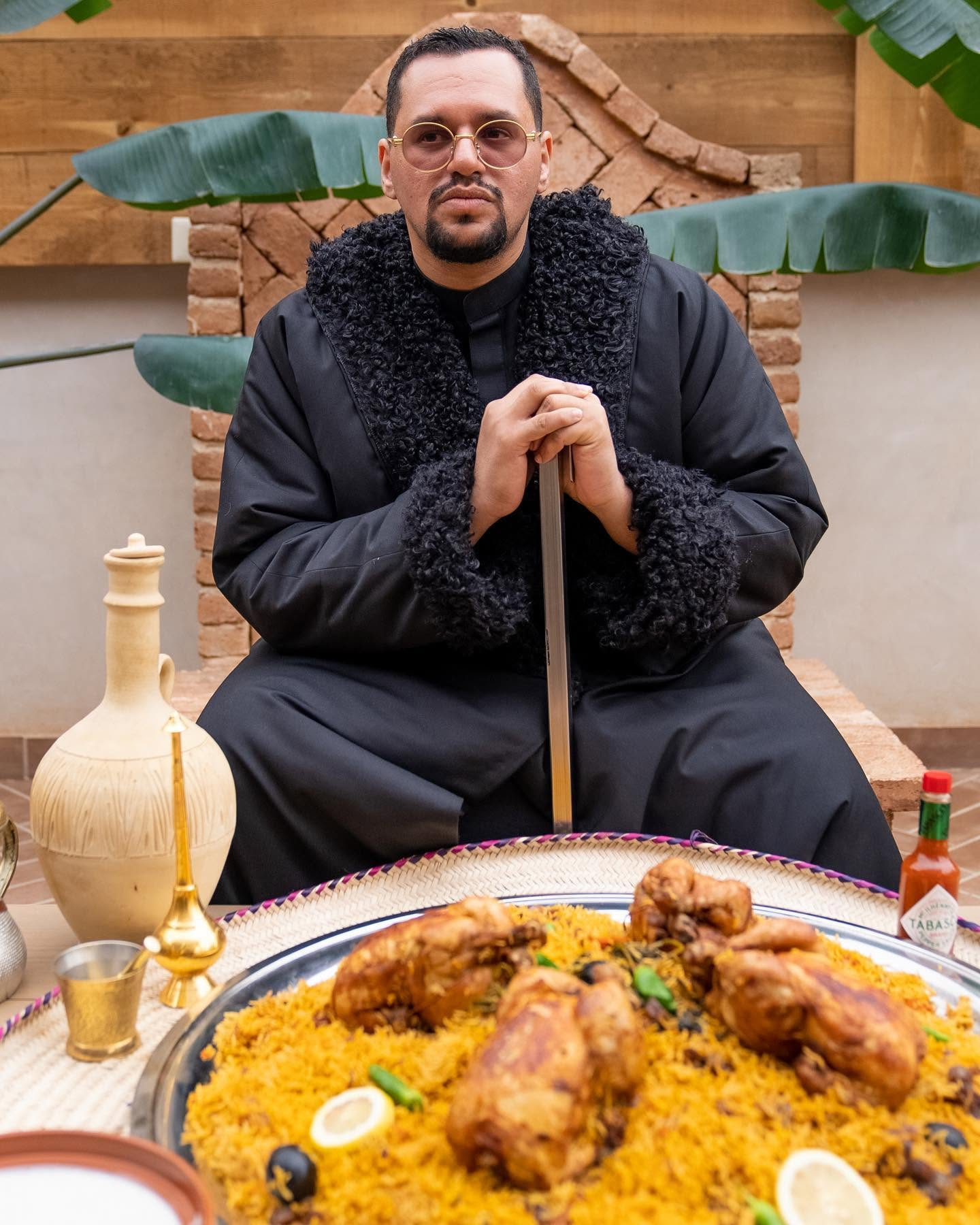
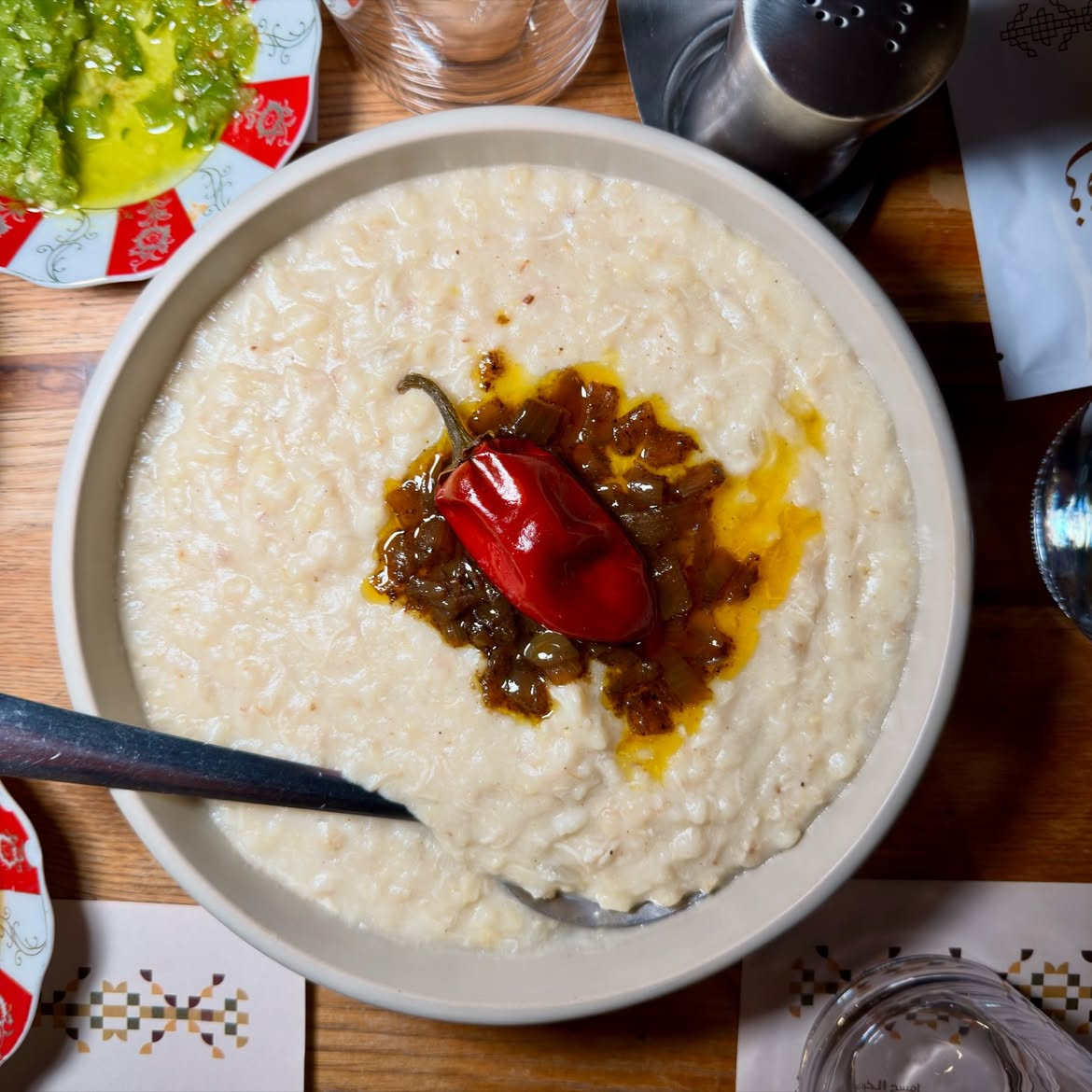
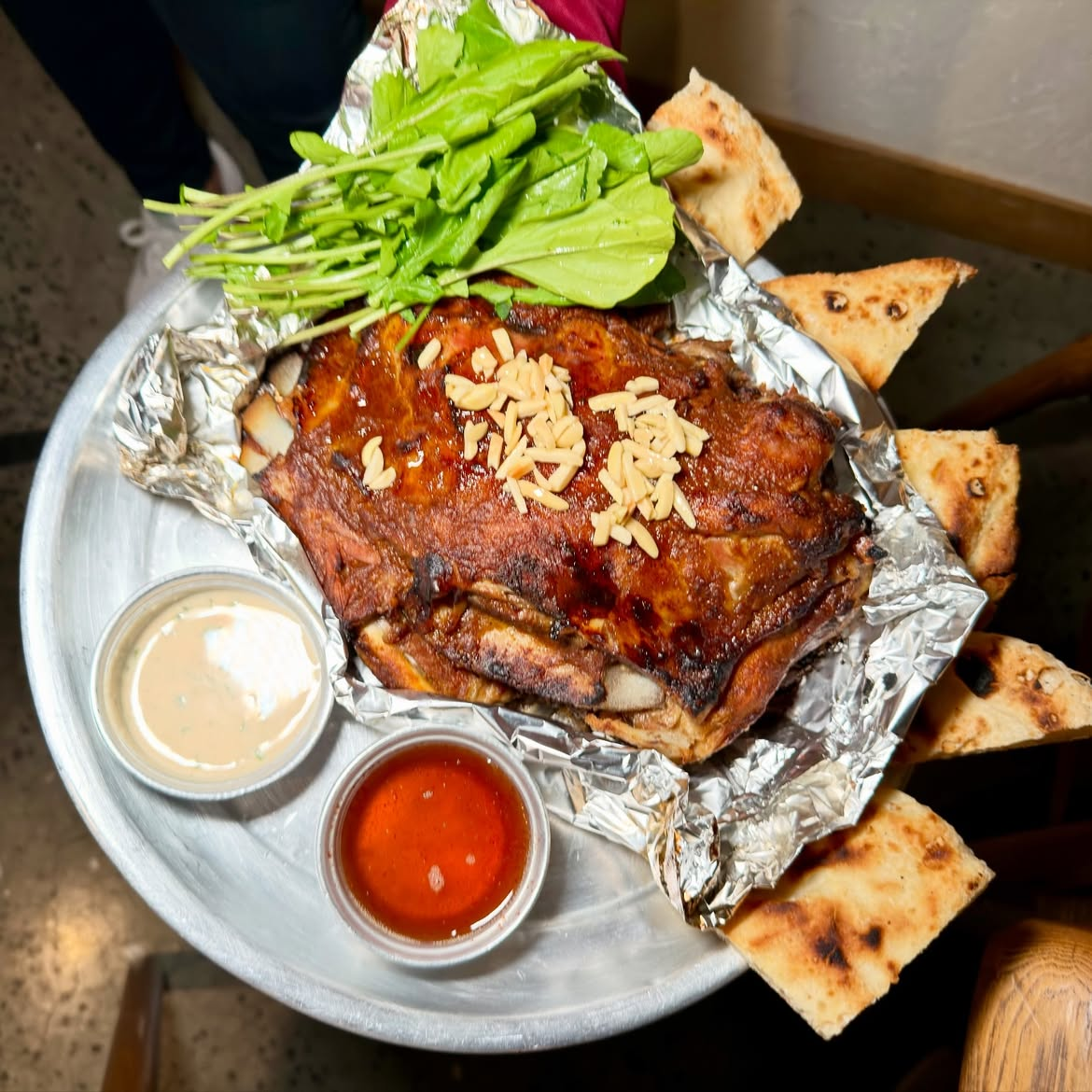
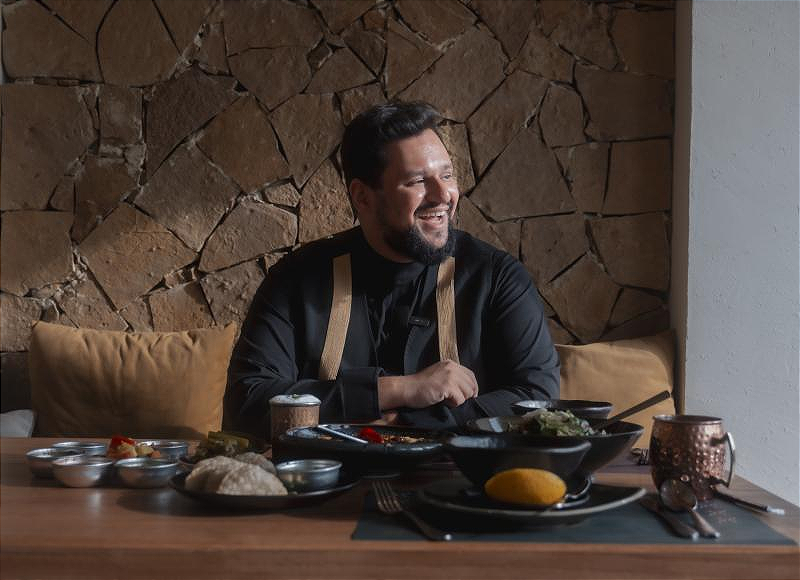
The restaurant draws from the culinary diversity of Saudi Arabia’s regions. Its menu has included dishes such as jareesh, grills, seafood, regional rice preparations, soups, sauces, and contemporary interpretations rooted in Saudi ingredients and traditions. The MICHELIN Guide highlights the restaurant’s regional inspiration and its connection to Baeshen’s personal memories. Fi Glbak is currently recognized by the MICHELIN Guide with a Bib Gourmand designation, an award given to restaurants that offer good-quality cooking at good value.
Tradition Before Reinvention
Hisham Baeshen describes himself, first and foremost, as a traditional chef. That definition helps explain his approach. He is interested in innovation, but not innovation that removes the identity of the original dish. Instead, he begins with meaning. If the menu is being created for a national occasion, for example, he considers the emotions, flavors, colors, memories, and cultural identity that should shape the experience.
“I always say: before executing any recipe or taking any step, I ask myself, ‘Why am I doing this?’”
That philosophy reaches beyond cooking. For Baeshen, a menu is a cultural statement. “Cooking is a cultural art form,” he says.
From Social Media to National Cultural Storytelling
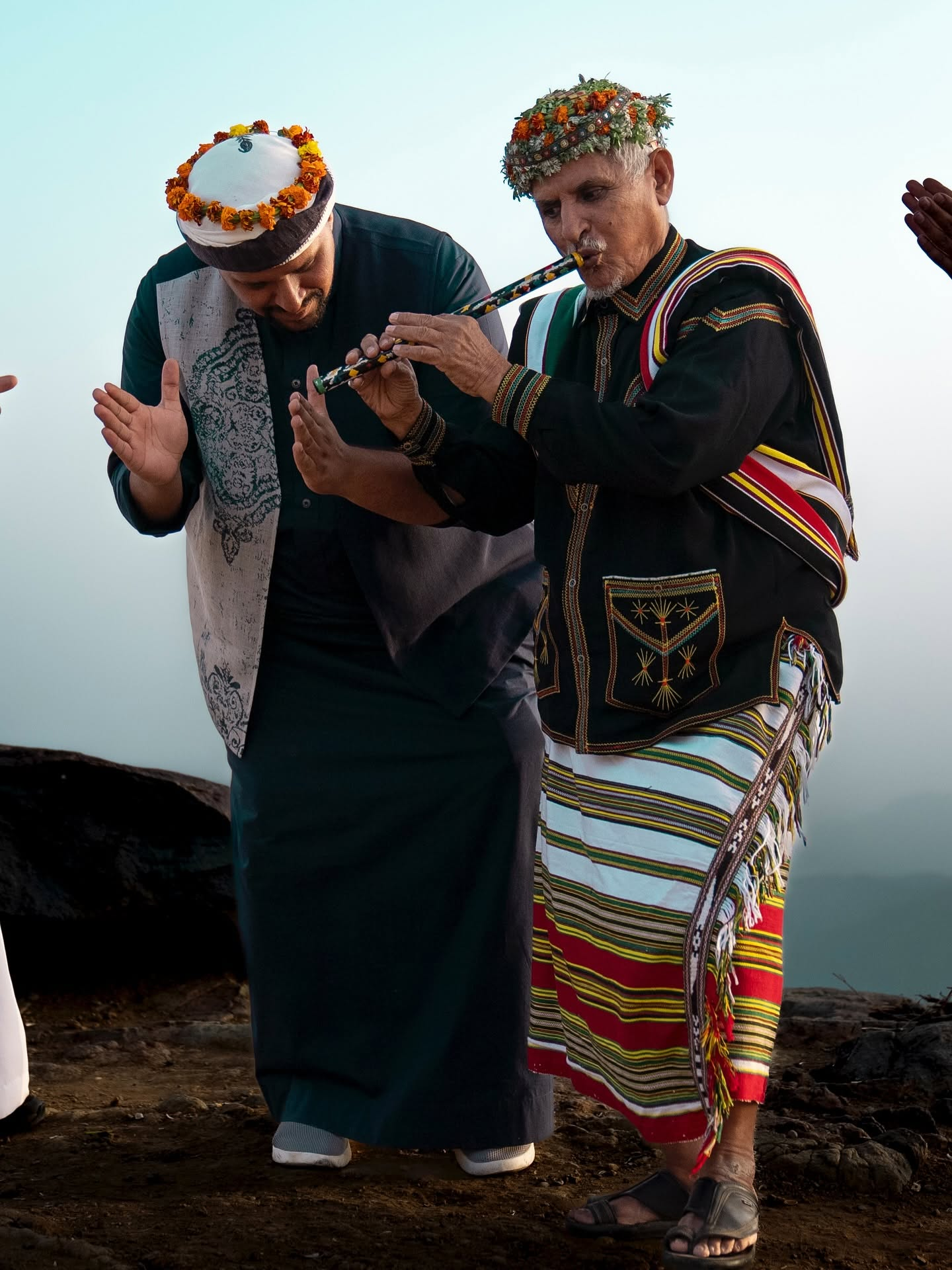
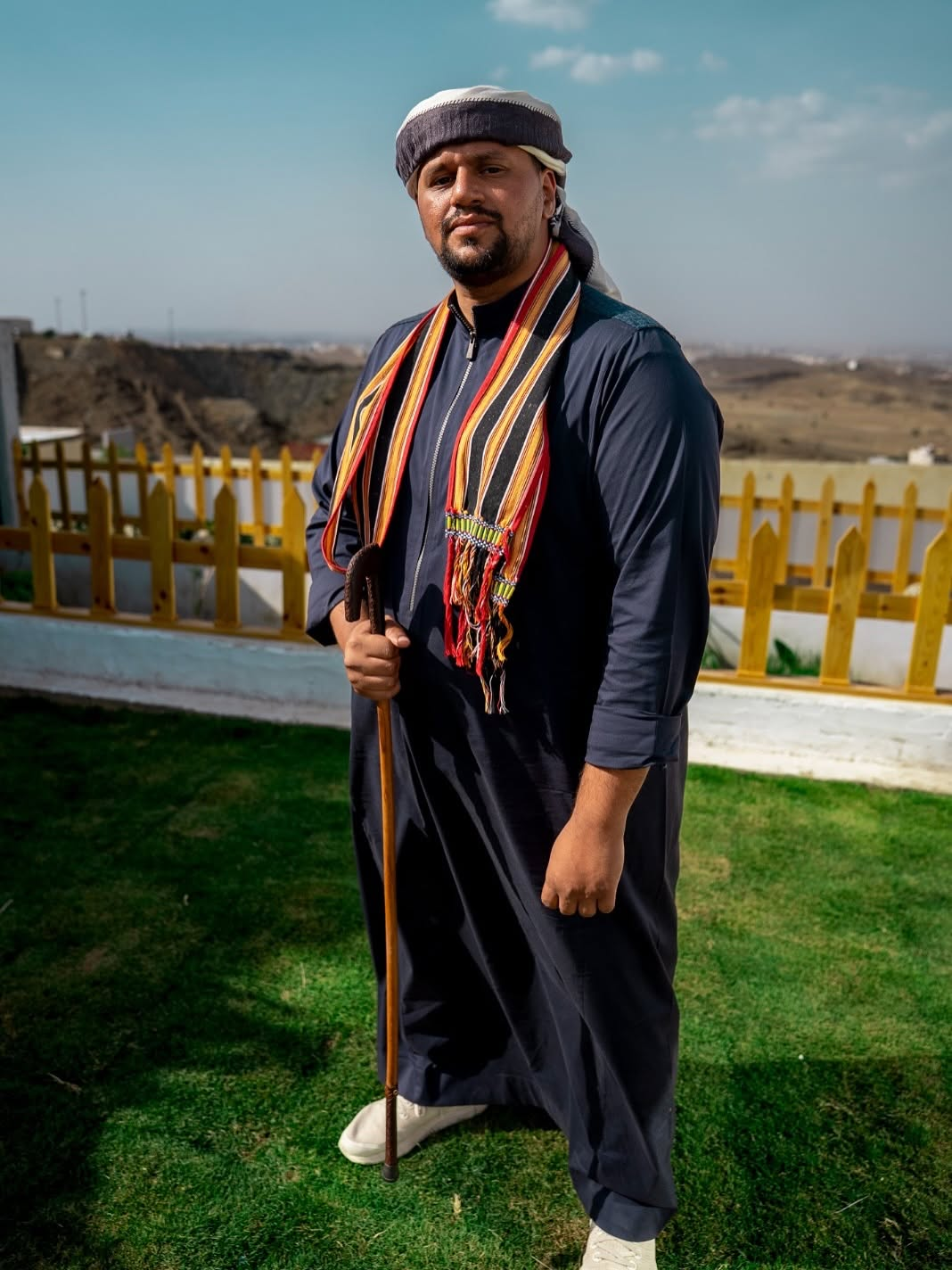
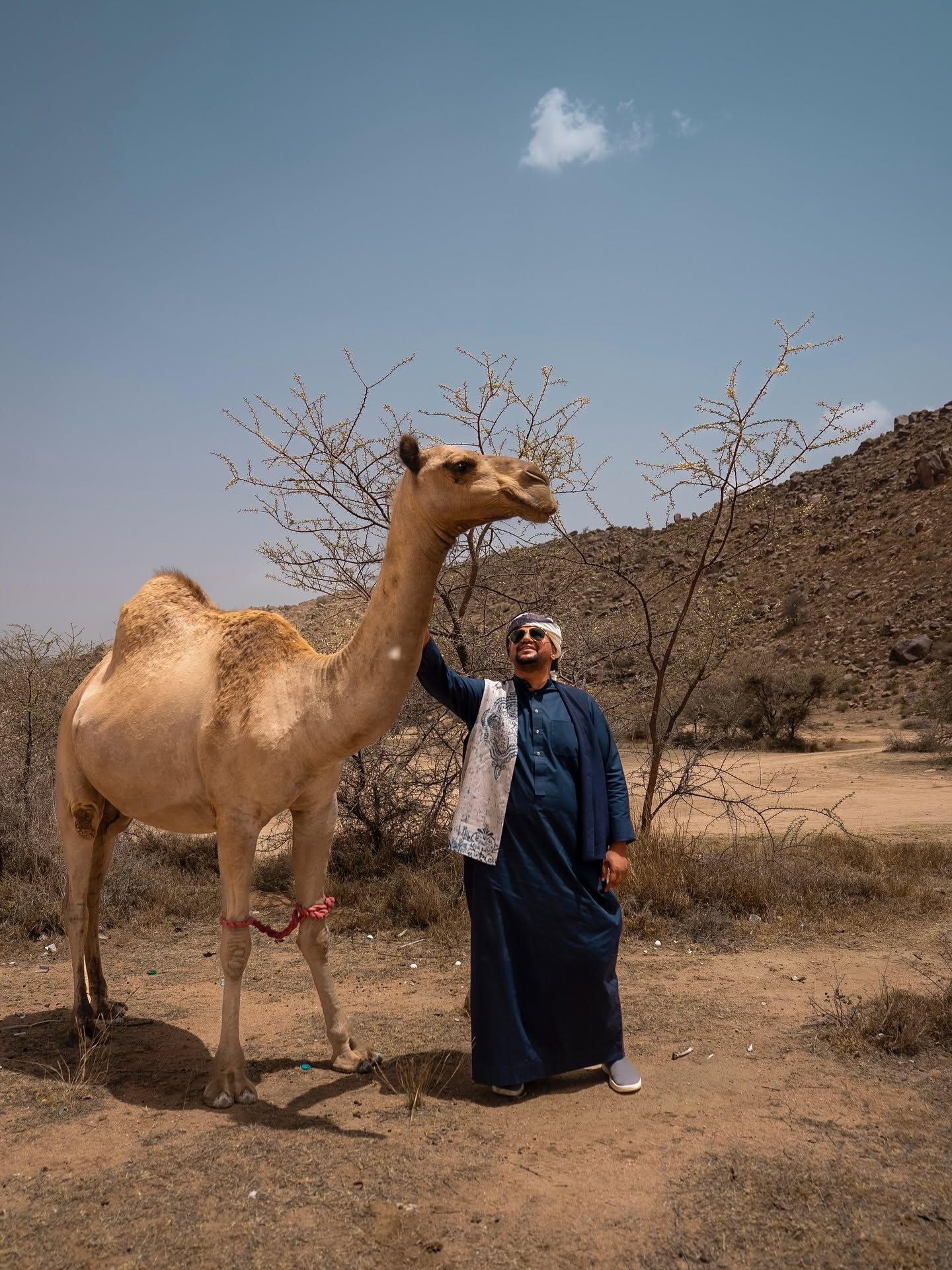
Hisham Baeshen's influence has increasingly moved beyond restaurant content. He has participated in projects connected to the Saudi Culinary Arts Commission and contributed to culinary initiatives focused on documenting and celebrating Saudi food heritage. For Saudi Arabia’s 90th National Day, he worked alongside Chef Rakan Al Oraifi on a menu presenting dishes from different regions of the Kingdom in a contemporary format. The message was clear: Saudi cuisine is not one table.
It is many tables. Many regions. Many techniques. Many stories. This kind of work connects naturally with the wider cultural transformation taking place under Saudi Vision 2030, where food is increasingly recognized as part of tourism, creative industries, national identity, and cultural preservation.
Television Opens Another Chapter
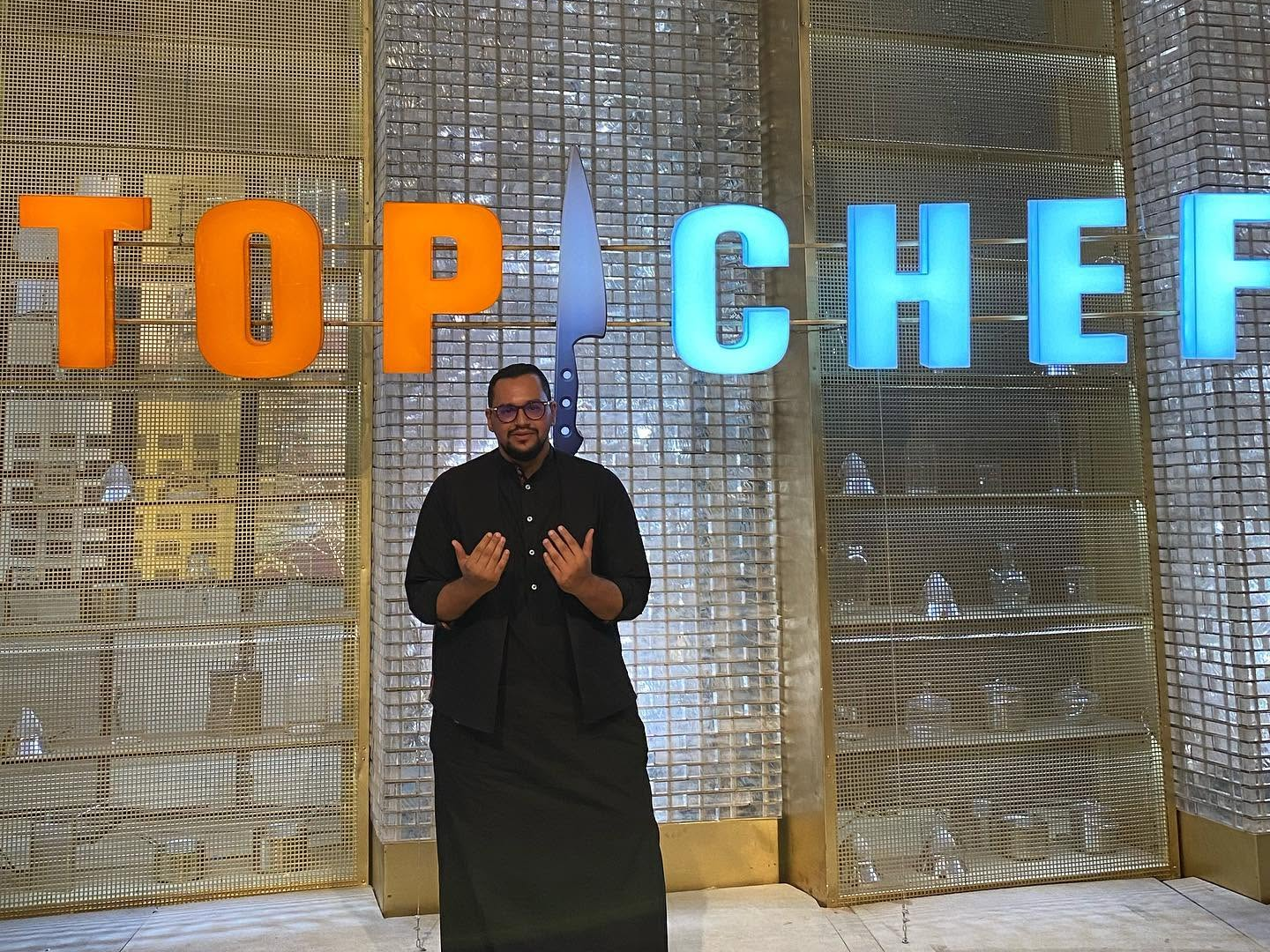
Hisham Baeshen’s presence on television began before he fully stepped into the role of chef. As his profile grew as a food blogger, he appeared on Top Chef, giving him further exposure to the professional culinary world while he continued developing his own skills. His television journey later expanded into presenting programs including Ta’am Al Saudiya and Million Riyal Menu. Ta’am Al Saudiya is especially connected to his culinary identity, exploring Saudi regions and heritage dishes while documenting the diversity of local cuisine through food and storytelling.
It marks another evolution in his career. First, he told food stories through social media. Then through restaurants. Now, through television. The platform keeps changing, but the cultural purpose remains.
Supporting the Next Generation
Hisham Baeshen’s ambitions extend beyond his own career. He has repeatedly spoken about developing future Saudi culinary talent. A collaboration with ZADK Culinary Academy created opportunities for students to receive cooperative training and potentially move into employment at Fi Glbak. For Baeshen, this kind of knowledge transfer is essential.
“It’s always been one of my dreams to build a culinary academy for the Saudi kitchen”
His vision is to create a place where chefs can properly study the techniques, regional differences, and foundations of Saudi cooking before expanding into other cuisines. That is a significant idea. Preserving a cuisine requires more than publishing recipes. It requires people who understand how to cook them. And institutions capable of passing that knowledge forward.
A New Kind of Saudi Culinary Career
Hisham Baeshen’s story belongs to a generation of Saudi creatives who built careers through paths that barely existed before them. He was not trained through one traditional route. He learned through family memories, professional kitchens, digital communities, international encounters, restaurants, and experimentation. Social media did not distract him from the craft. He used it to reach the craft. And once he entered professional kitchens, he kept returning to the same source of inspiration: Saudi culture.
That may be the most important part of his journey. He became more distinctive by exploring local identity more deeply. From Al Khobar family dishes to millions of digital viewers, from a catchphrase to Fi Glbak, and from food blogging to national culinary storytelling, Baeshen has shown how tradition can move forward without losing its heart.
Follow Hisham Baeshen’s journey on Youtube, Snapchat, Instagram, and X.


