


The Storyteller Before the Filmmaker
Long before Ali Kalthami directed a feature film, he was watching someone else hold an audience. It was his father. He remembers sitting in his family's majlis while around 60 people listened to his father tell stories. He could move between humour, wisdom and personal anecdotes, controlling the timing, rhythm and surprise of a story without a screen in sight. Years later, Kalthami began recording him. He had realised that the storytelling language he was searching for as a filmmaker had, in some ways, been in front of him all along.
Today, Kalthami is known as the director of Mandoob and a co-founder of Telfaz11. But his story began before Saudi Arabia had the film infrastructure it has today. His career grew alongside the emergence of a new Saudi screen culture, from experimental internet videos to local cinemas and global streaming platforms.
Before Filmmaking, Something Was Missing
Ali Kalthami did not follow a conventional film-school route. He studied computer science and worked in information technology at MBC. The job gave him stability, but he has described that period as one in which he felt a sense of loneliness and a need for self-expression. He saw similar creative energy among friends outside work.
Being inside a major media organisation also allowed him to observe the industry. What he felt was missing was specific: the media around him did not adequately reflect the young Saudi voice he encountered in Riyadh. Outside work, he began discovering small communities around stand-up comedy and meeting people interested in creating something different. The gap became an opportunity.
Discovering YouTube Before Anyone Knew What It Could Become
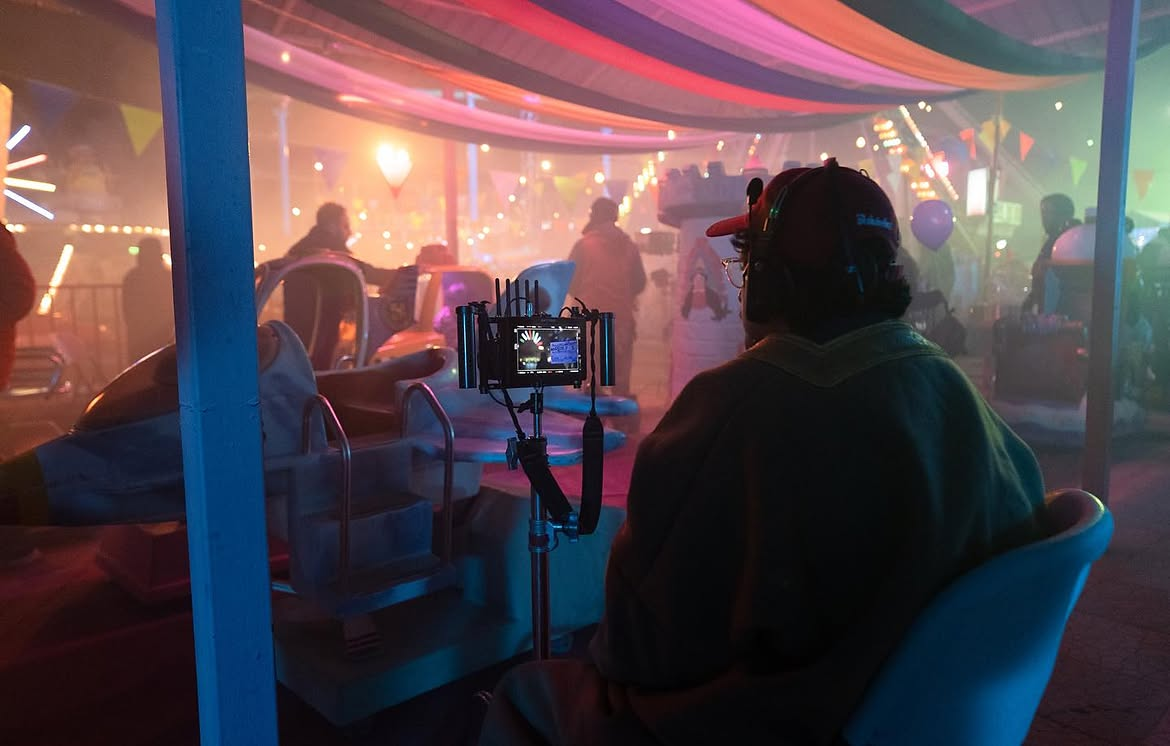
Around 2008, Ali Kalthami was watching the rise of YouTube and recognised something fundamental about it. He described the idea behind the platform as a “democratisation of opportunity in media.” Creators no longer necessarily needed to enter an established television system before reaching an audience. If something connected, people could distribute it themselves.
That thinking fed into projects including La Yekthar and later Khambalah. Ali Kalthami was still working at MBC while experimenting online. Then La Yekthar began attracting major viewing numbers. When STC became an early advertiser, Kalthami saw evidence that the experiment could support a business. The sponsorship helped move him closer to leaving his established career and committing fully to the new venture. It was not simply a story about following passion. Kalthami has acknowledged the importance of timing, opportunity and luck. What mattered was recognising the moment and acting on it.
Telfaz11 Becomes a Creative Institution
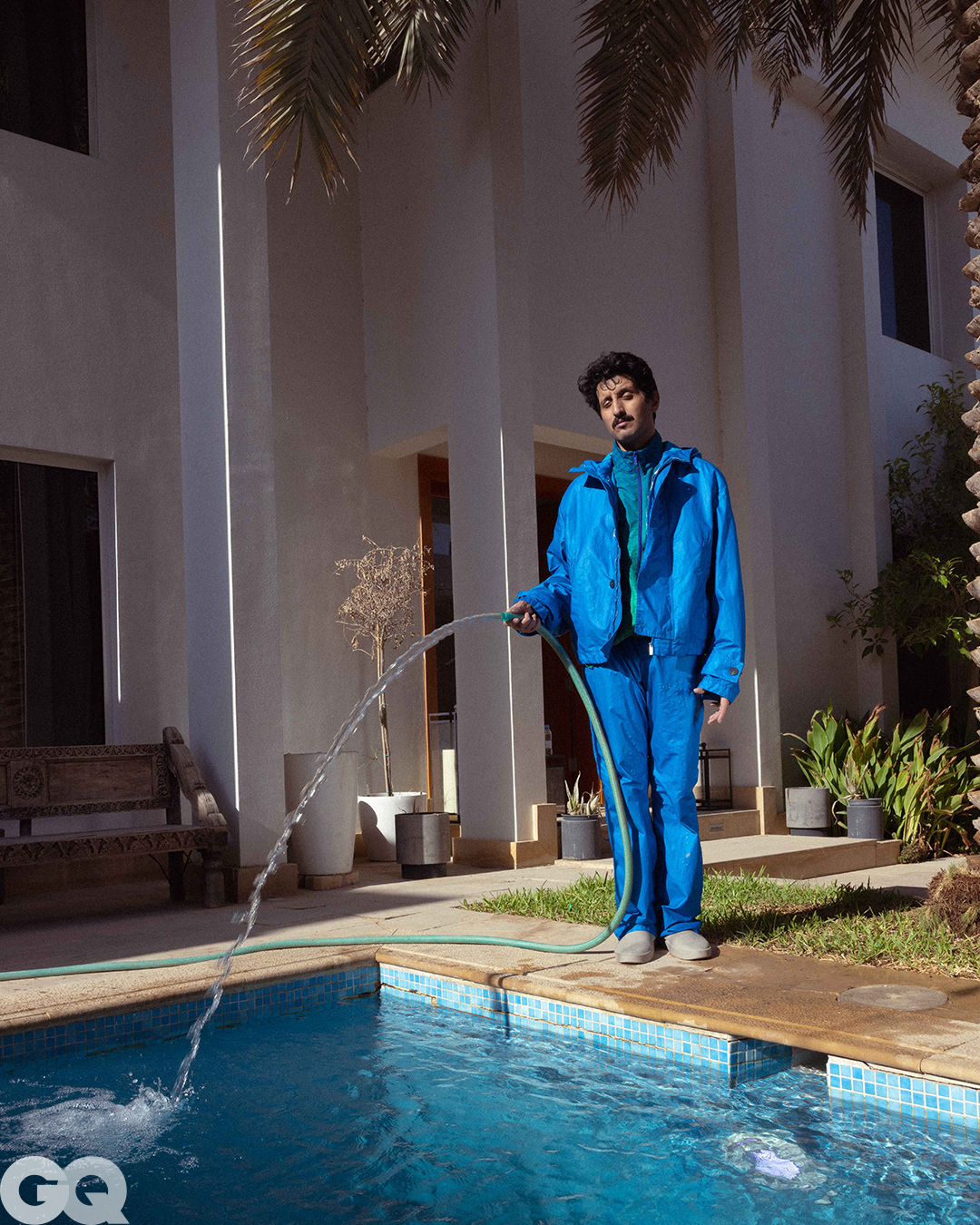
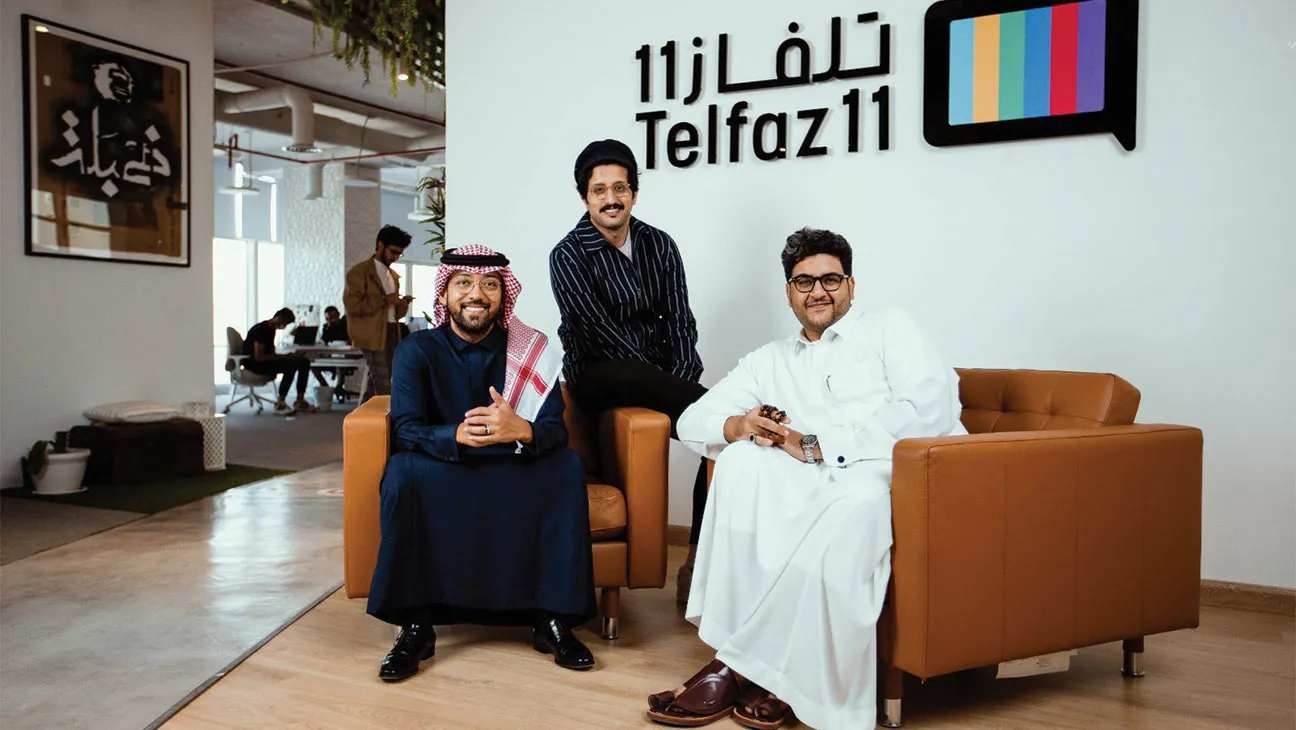
Ali Kalthami co-founded Telfaz11 in Riyadh in 2011 with Alaa Fadan and Ibraheem Alkhairallah. The company would become home to properties including La Yekthar, Khambalah, Al Timsah, Top 5 and AlKhallat. But the early Telfaz11 was less like a conventional studio and more like a laboratory.
Kalthami remembers spending long days writing, editing, watching filmmakers discuss their craft online, trying techniques and immediately testing the results with viewers. He compared those years to an open laboratory in which the audience could watch them learning. Kalthami was, in effect, learning filmmaking in public.
When the Audience Became Part of the Education
In the earliest days, audiences were small enough that Ali Kalthami could read almost every comment. As the numbers grew, that direct feedback became an education of its own. He eventually developed a philosophy about the relationship between creator and audience: a filmmaker should neither completely isolate himself from viewers nor allow himself to be completely led by them. Criticism was harder.
Kalthami admits it affected him strongly at first. Over time, he learned to treat extreme praise and extreme criticism with similar caution. Too much praise can make a creator believe his own reputation. Too much criticism can stop him from making anything at all. It became another form of training.
“Our market needed a kind of authenticity. The people of the market themselves had to contribute to its growth, because they live in it and understand what it needs.”
Building Something Bigger Than Ali Kalthami
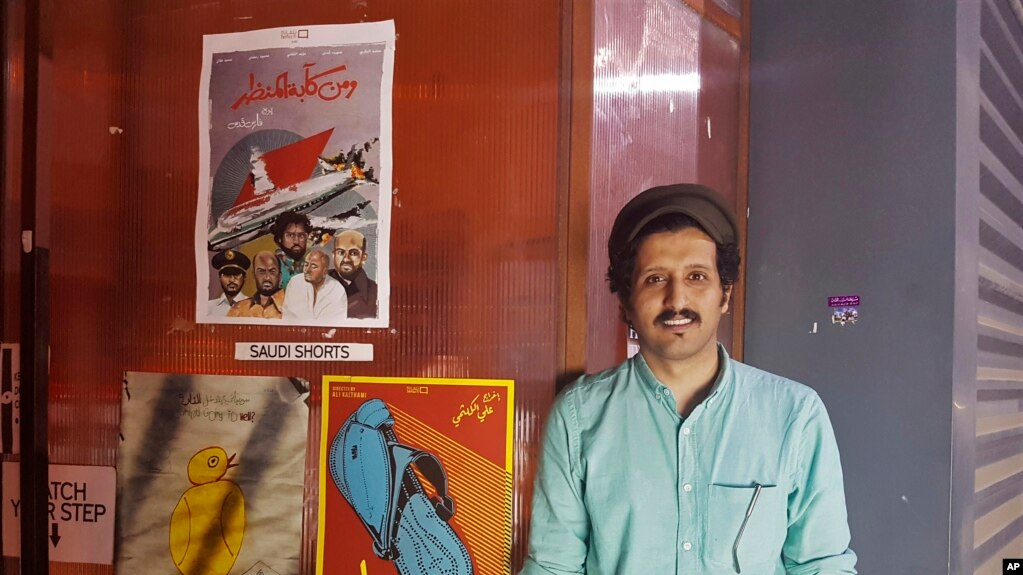
As Telfaz11 grew, so did the people around it. Actors, writers, editors, filmmakers and other creatives began receiving opportunities beyond the company. Instead of treating every departure as a loss, Ali Kalthami began reconsidering what Telfaz11 itself should become. At one point he realised the original creative group would not, and perhaps should not, remain together forever.
The answer was to build something bigger than the individuals themselves: a studio. That philosophy changed the organisation. Telfaz11 increasingly focused on developing intellectual property and creating an environment where new generations of talent could move through different projects. Its value would not depend on preserving one group of internet personalities forever.
“Saudi Arabia was changing socially... We had to be honest. We had to change too, understand what was happening and become part of that change.”
Cinema Was Always the Destination
Telfaz11's shift into film was not a sudden response to the reopening of cinemas. Ali Kalthami and his collaborators had been discussing films long before there was a conventional domestic theatrical market to receive them. The internet was simply the screen available to them at the time. When an opportunity emerged through an Ithra filmmaking initiative around 2016, they moved immediately into short films. For Kalthami, that produced Wasati.
The socially observant short marked a major step away from digital sketches and toward cinema. It later won the SGBL Award for Best Short Film at the 2019 Beirut International Film Festival. The instincts developed online could work on a cinematic screen too.
AlKhallat Shows How His Thinking About IP Evolved
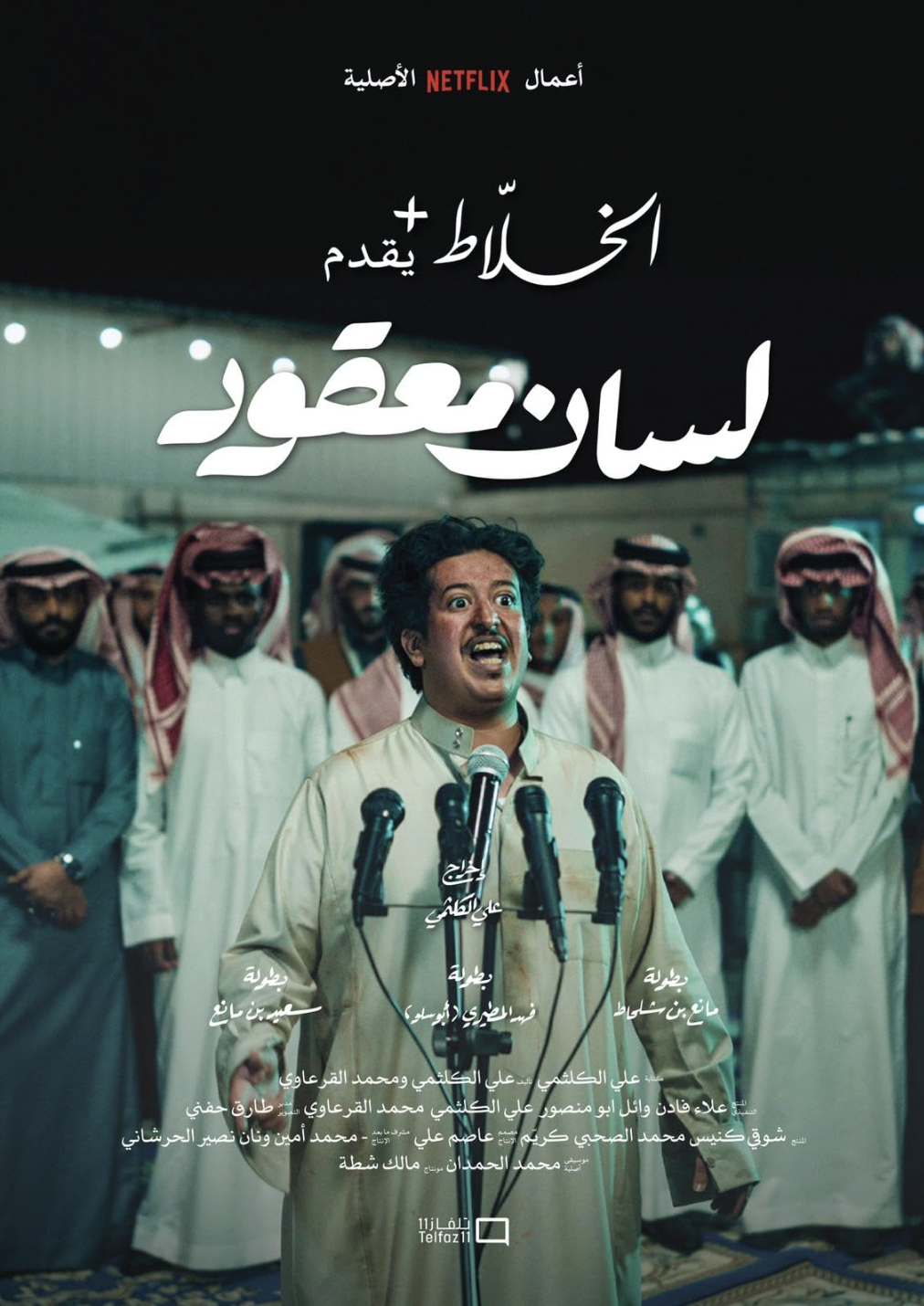
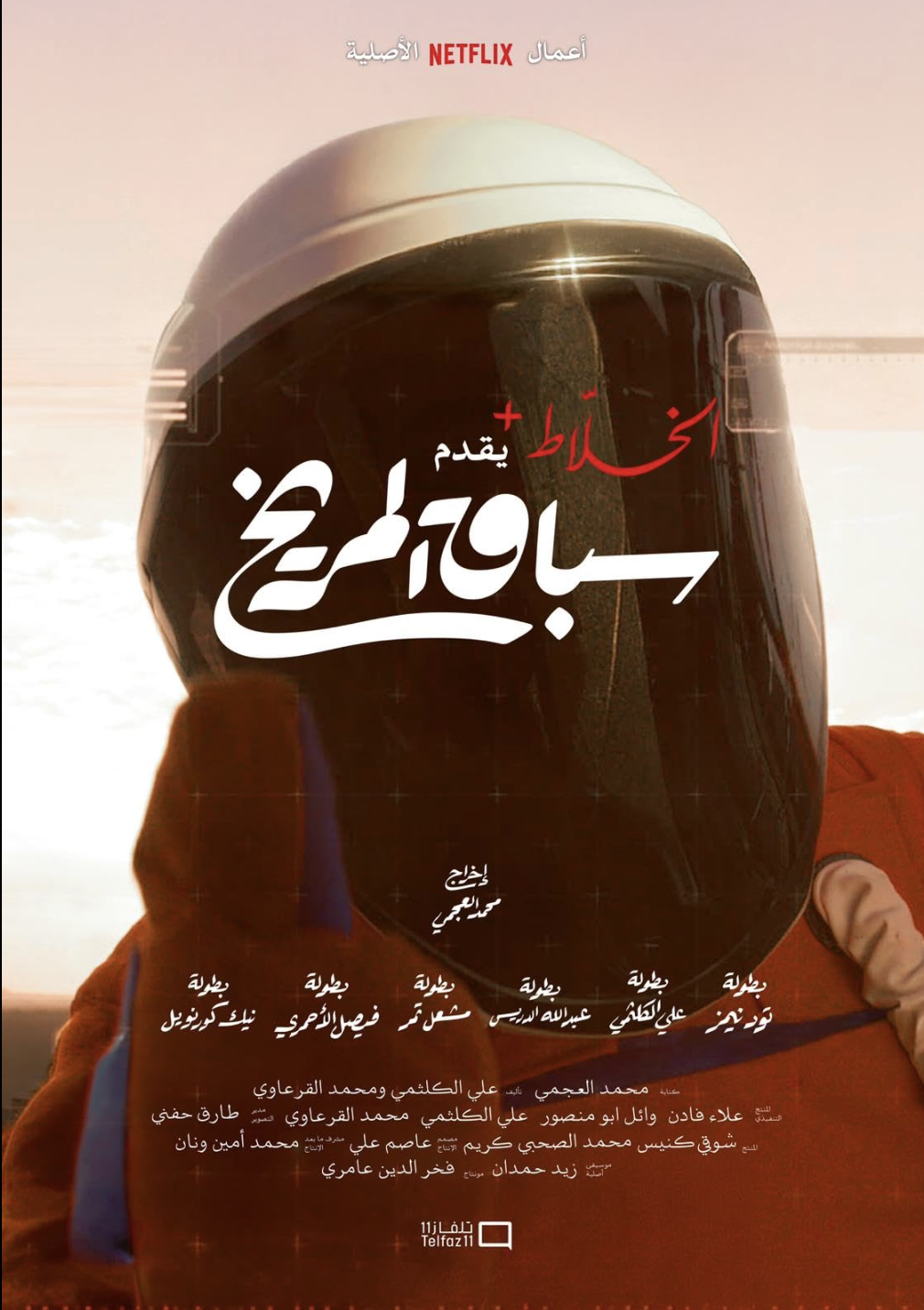
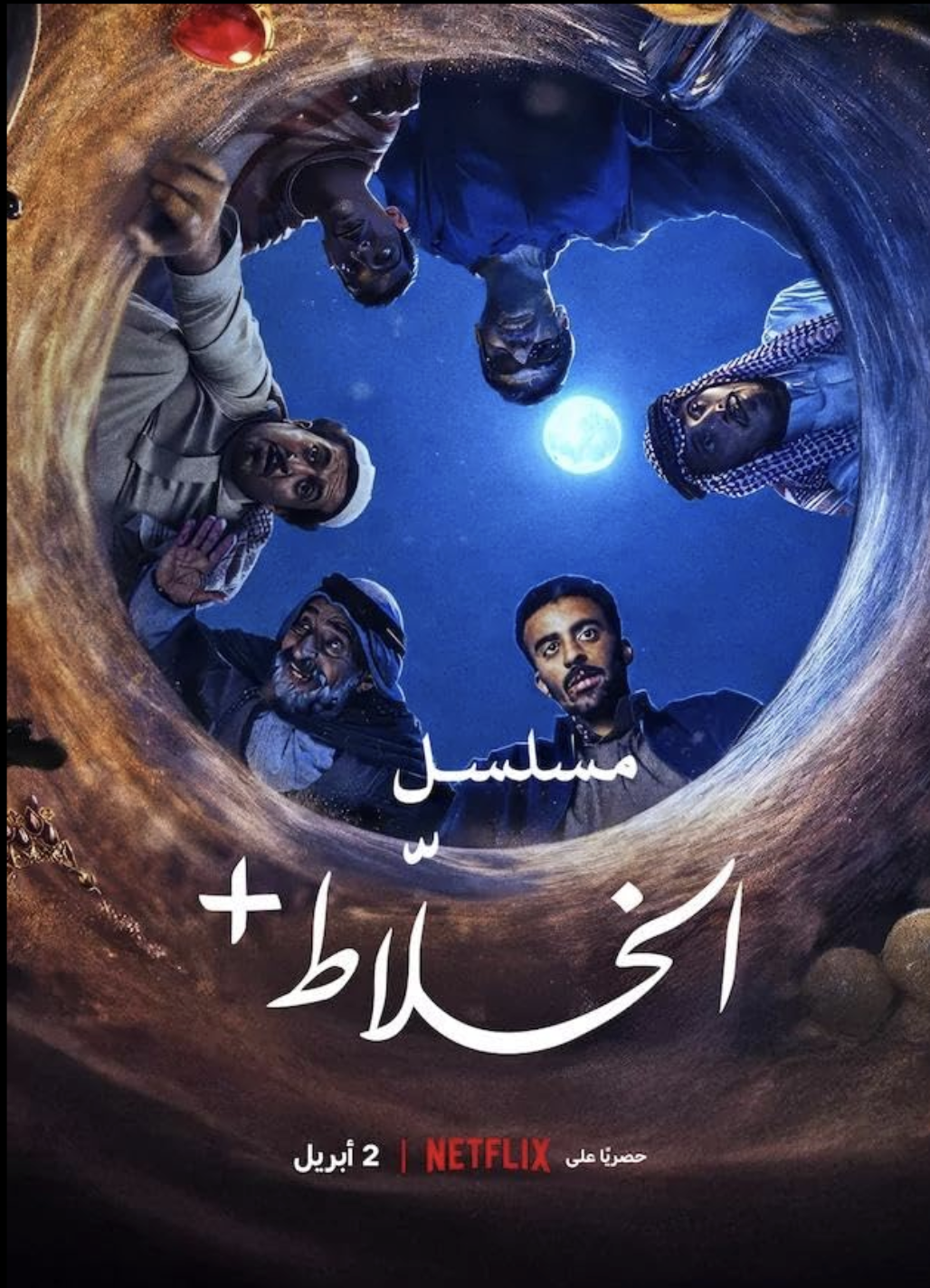
Few projects demonstrate Telfaz11's evolution better than AlKhallat. The concept grew from the company's digital ecosystem into a property capable of surviving different formats and audiences. It later became a Netflix original film and continued in 2026 with Alkhallat+: The Series, a four-episode anthology created by Kalthami and Mohammed Algarawi.
Its progression tells a larger story: digital property, streaming film, streaming series. This is exactly the kind of creative longevity Kalthami had begun thinking about when Telfaz11 shifted from simply producing content toward developing IP.
From YouTube to Global Platforms
Telfaz11's world expanded with it. The studio moved into relationships with platforms including Netflix and Shahid while developing work for cinemas. But Ali Kalthami's interest in international reach did not require making stories less local. His view has been that creators who understand their culture should retain responsibility for how those stories are told. Global platforms provide scale. Local filmmakers provide the knowledge. That distinction helped Telfaz11 move from internet-native entertainment toward a broader studio model without abandoning the regional specificity that had made its early work connect.
Mandoob and the Filmmaker Kalthami Wanted to Become
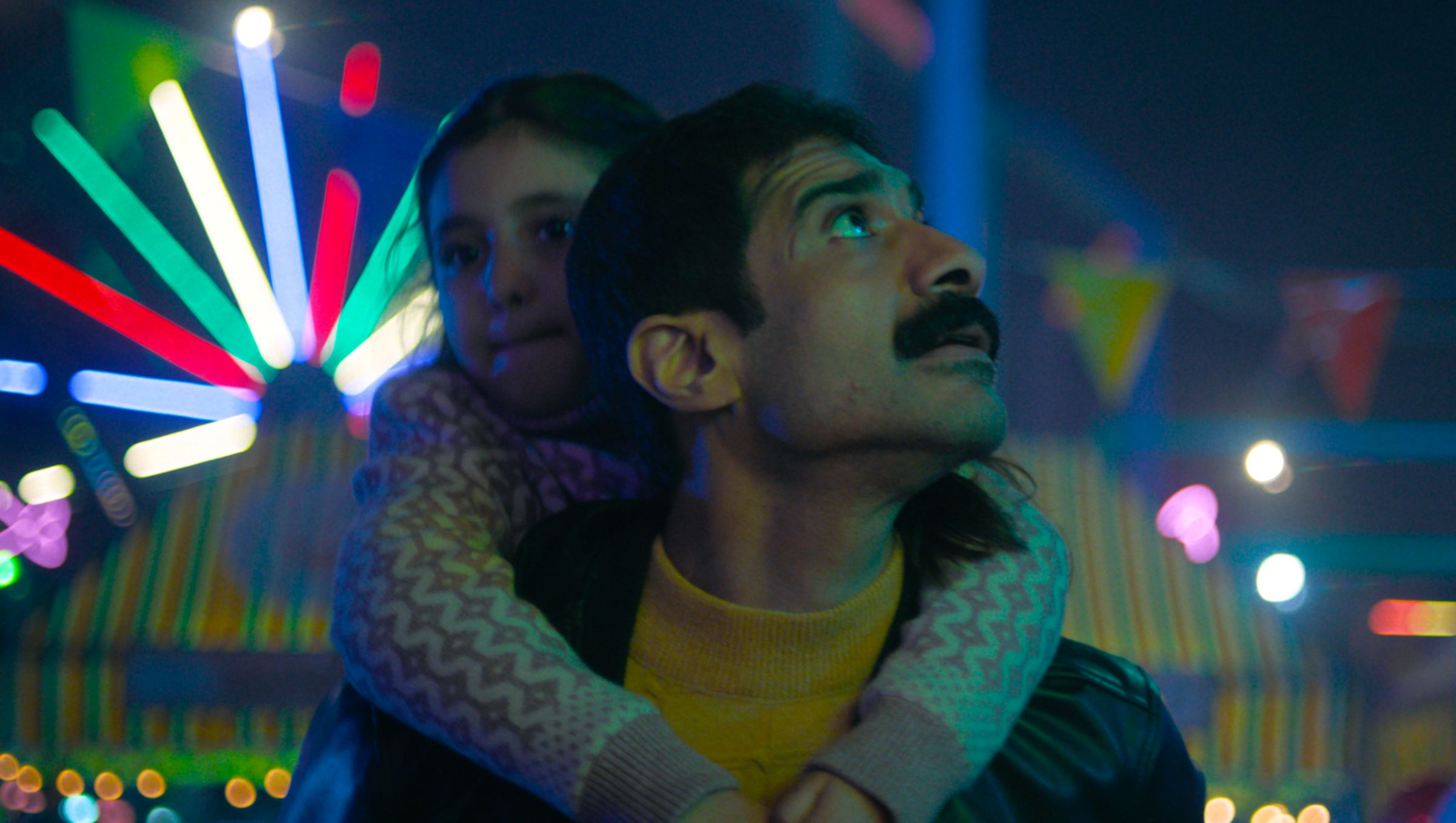
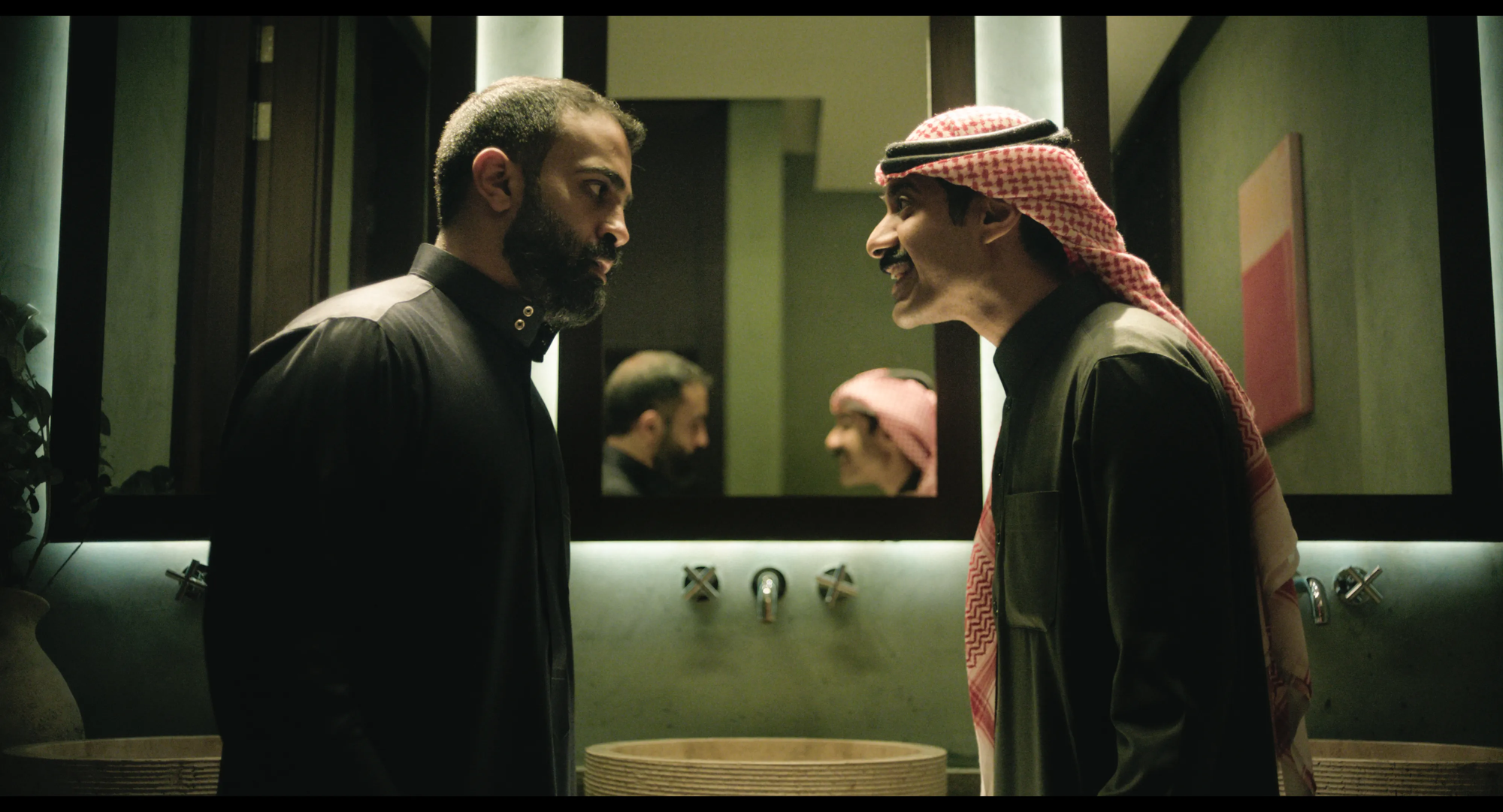
Mandoob was Ali Kalthami's feature directorial breakthrough. Co-written with Mohammed Algarawi and starring Mohammed Aldokhei, the film follows Fahad, a struggling Riyadh delivery driver trying to support his sick father as financial pressure draws him into the city's illicit economy. It premiered internationally through Toronto in 2023 and continued through major festival screenings.
But Mandoob also represented something deeply personal in Kalthami's development. He had wanted to make more serious work for years but had been uncertain whether he could. In comedy, a difficult moment could quickly be released through another joke. Mandoob forced him to remain inside darker emotions for longer, even though he still sees satire within the film. It was not simply a comedian turning serious. It was a storyteller testing how far his existing voice could stretch.
“I’m very proud of Mandoob and what it has done to help shape the future of the Saudi film industry, but it was also my riskiest endeavour. It was the kind of film that if it failed, it could have ended my career.”
Riyadh Becomes a Character
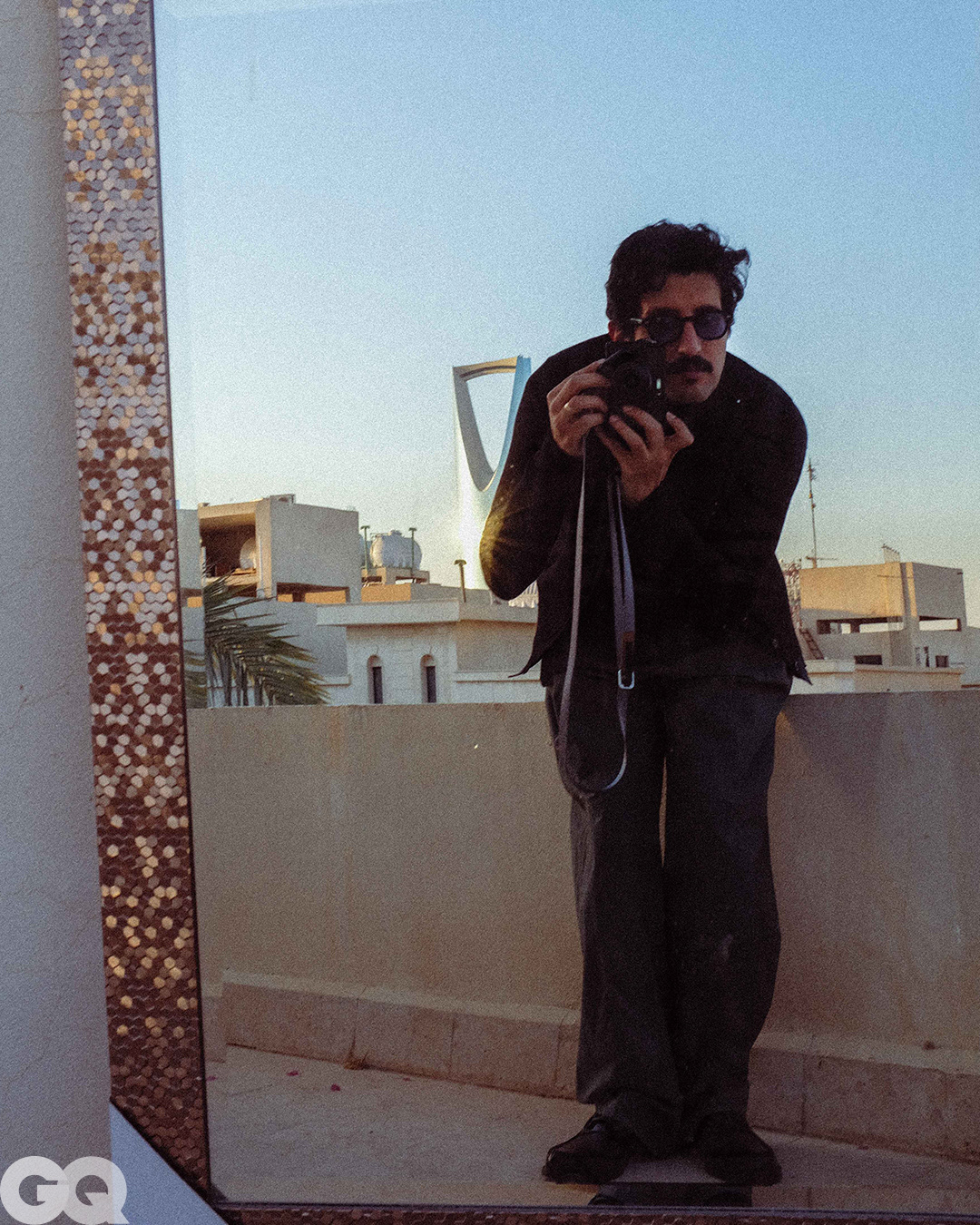
Ali Kalthami wanted Mandoob to capture Saudi Arabia in the present. Not an imagined future. Not a nostalgic past. Riyadh itself became part of the story, seen through delivery riders, restaurants, homes, night streets and people experiencing the rapidly growing city from very different social positions. He was equally determined to film the real city. “This is my city,” he said while discussing the production. He did not want to recreate Riyadh inside studios. The screenplay eventually required roughly 48 locations, creating a significant logistical challenge for the production. The city was not a backdrop. It was part of the film's identity.
Three Years Making One Film Changed His Process
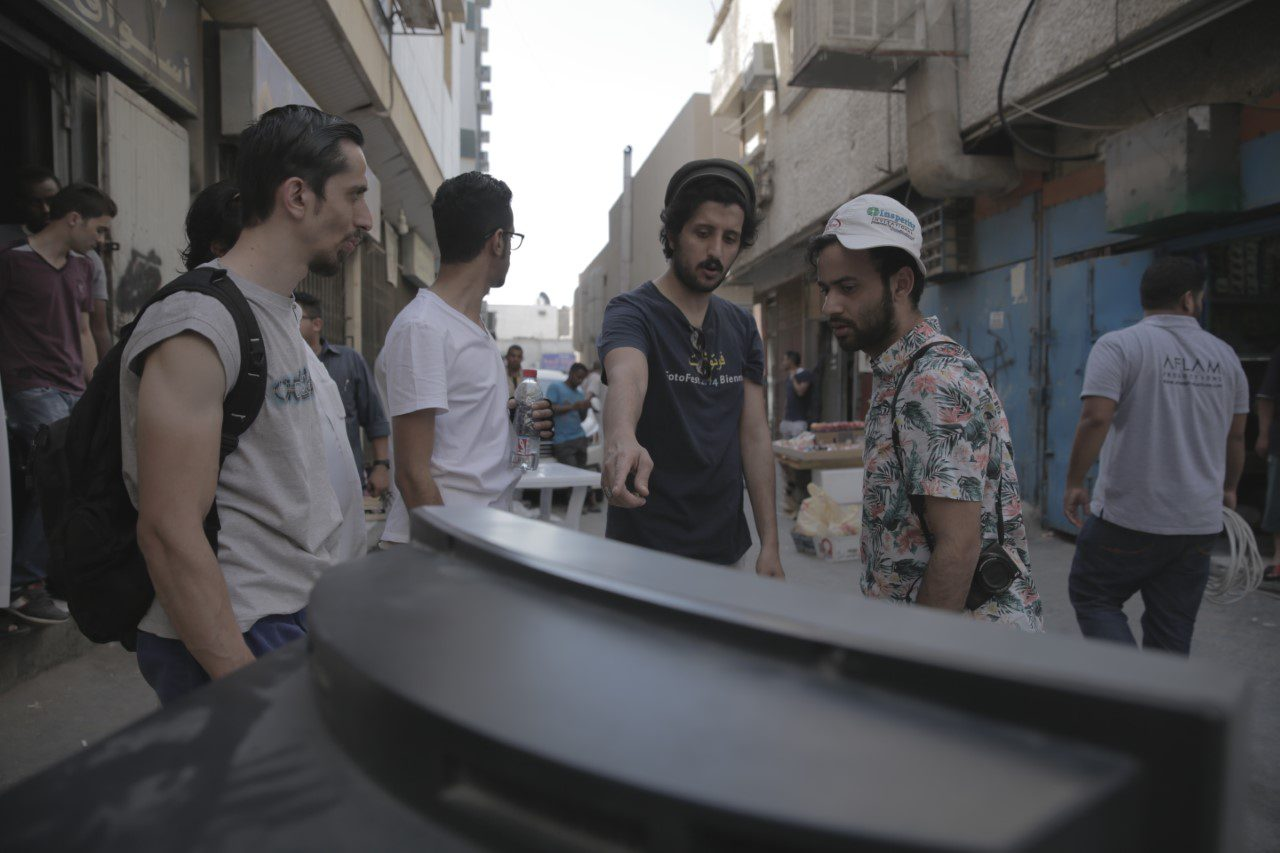
Digital production had trained Ali Kalthami to move quickly. Make something, release it, watch the reaction, then begin again. Mandoob demanded roughly three years from development to completion. The slower process forced him to consider individual frames, sound, performance, movement, music, locations and rhythm in far greater detail. It also made him more deliberate about disagreement.
Ali Kalthami worried about reaching the stage where a director is surrounded only by people who approve his ideas. During the film's development, he deliberately sought collaborators outside his normal circle who would challenge the script and question his decisions. The principle fits much of his career: protect your creative voice, but never protect it from challenge.
What Does a Saudi Cinematic Language Look Like?
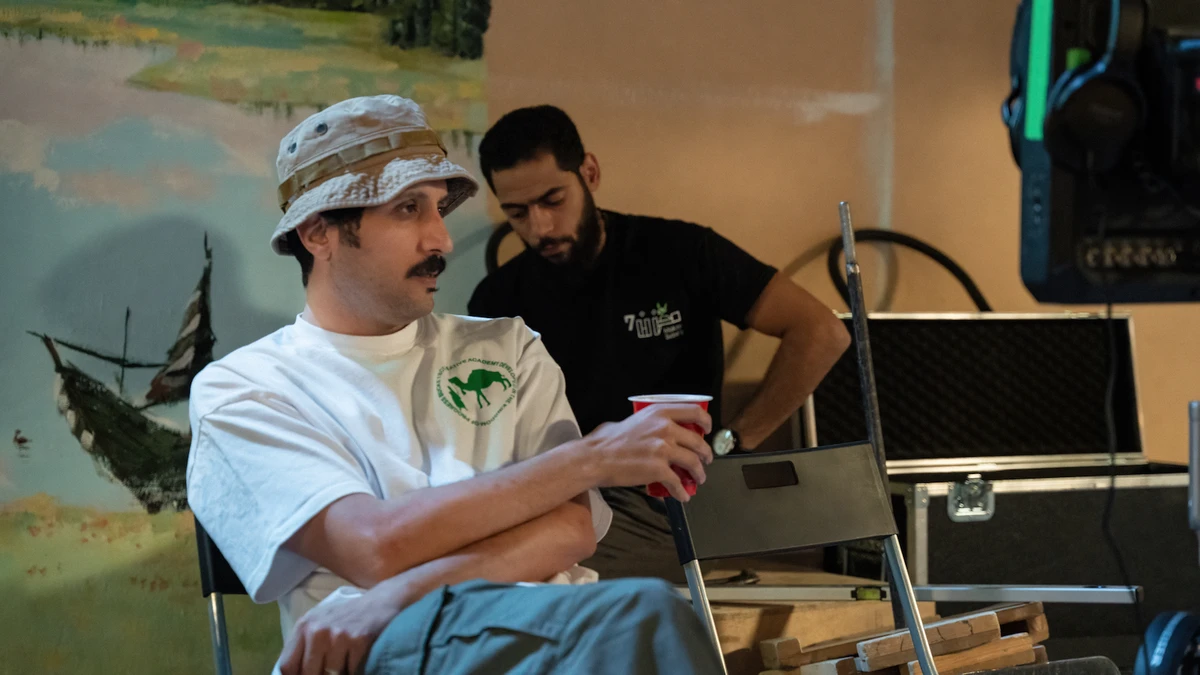
Ali Kalthami has studied American, Iranian, Italian and other cinematic traditions, but his deeper question is increasingly about what Saudi filmmakers should build from. For him, the answer cannot simply be imitation. It may instead come from things already present: oral storytelling, humour, architecture, regional identities, language, contemporary cities and the rhythms of everyday life.
That brings the story back to his father. The young Kalthami once watched a man create entire worlds inside a majlis using nothing except language, timing and imagination. The filmmaker now works with image, editing, composition, actors and sound. He has argued that cinema cannot be reduced to screenwriting alone. It is fundamentally a visual medium in which directing brings all those elements together.
“I started documenting my father and thinking: this is part of our storytelling. How do we combine it with the techniques of image, cinema and editing?”
A Career That Mirrors a Changing Cultural Landscape
There is one detail from Ali Kalthami's family story that captures the scale of change around him. He describes growing up in a conservative household that once had a cautious relationship with images and screen culture. Satellite television entered the home relatively late. Kalthami himself had initially been interested in drawing. Years later, his mother watched Mandoob and became absorbed in the film. For Ali Kalthami, her reaction demonstrated how much had changed, both within his own family and around it.
His career has travelled through the same transition: from limited screen culture, to online experimentation, to Saudi digital entertainment, Netflix, domestic cinemas and international festivals.
Influence and Achievements
The milestones now span more than a decade. Kalthami helped establish Telfaz11 and develop properties including La Yekthar, Khambalah and AlKhallat. His publicist biography credits the intellectual properties he helped create with more than 6 billion views and an audience of more than 30 million across digital platforms, although Telfaz11's own published metrics use different totals and reporting definitions.
Wasati earned international festival recognition. AlKhallat successfully crossed from digital content into Netflix film and series formats. Mandoob premiered internationally in 2023, travelled through major festivals and received the Achille Valdata Award for Best Feature Film at the Torino Film Festival.
Yet the larger achievement is harder to measure. Kalthami helped build stories, audiences, intellectual property and creative infrastructure at a time when many of the paths now available to Saudi filmmakers did not yet exist.
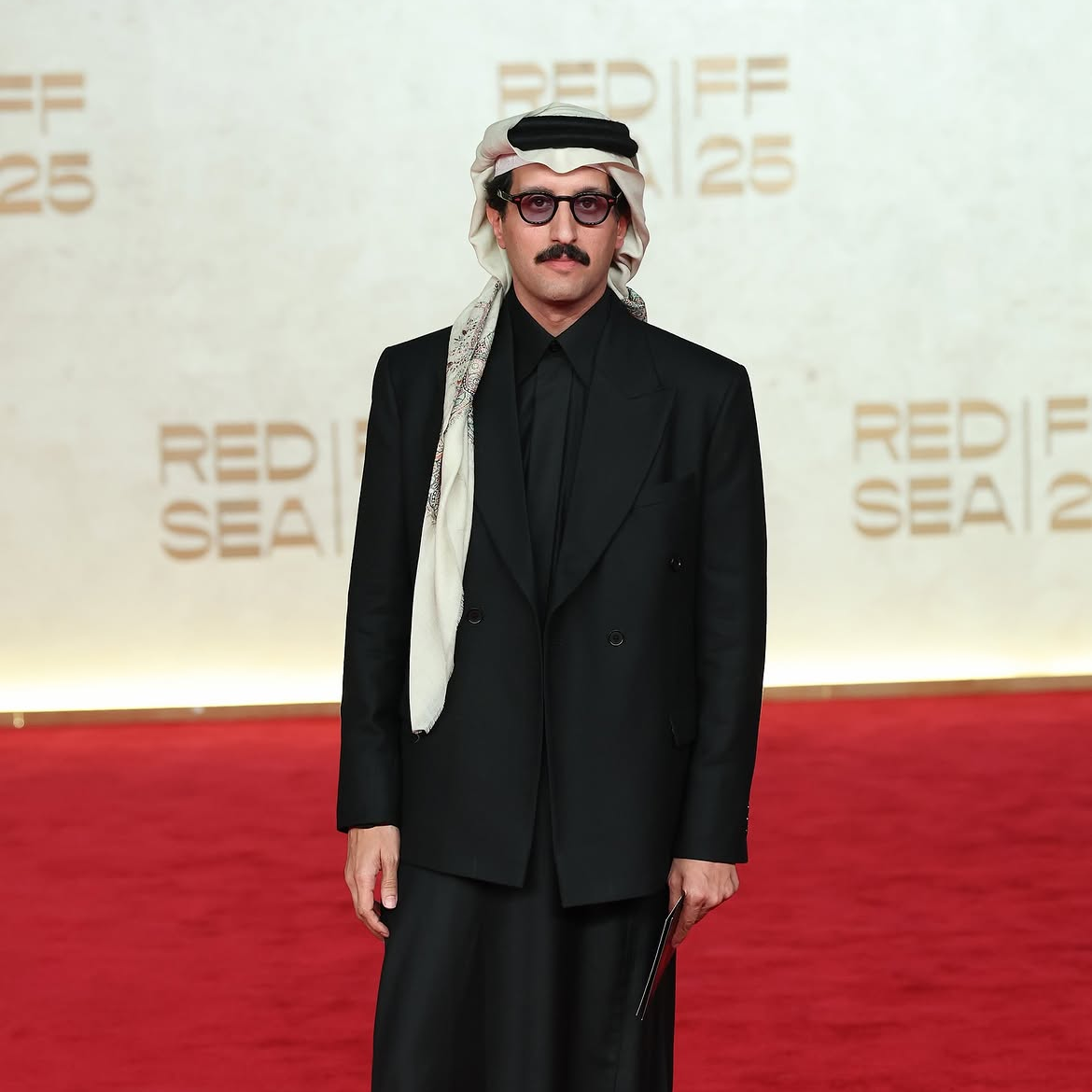
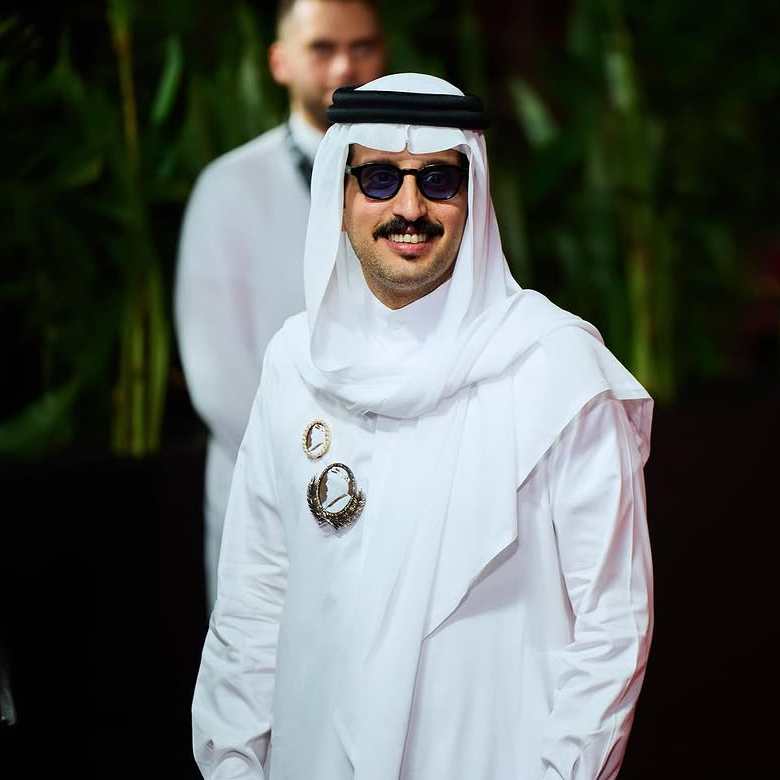
Building the Screen He Once Needed
At the beginning, Ali Kalthami saw something missing. The Saudi generation around him had humour, stories, frustrations and ambitions, but he did not feel that the media landscape fully reflected their voice. His first answer was YouTube. Then came Telfaz11. Then intellectual property. Then cinema. Then Mandoob. Across each stage, the question remained remarkably consistent: how do you take the stories already happening around you and give them a screen large enough to hold them?
Kalthami's influence therefore extends beyond directing one successful film or co-founding one successful studio. His journey helped demonstrate that Saudi stories could build their own audiences, develop their own screen language and travel internationally without losing the experiences that made them local in the first place.
Follow Ali Kalthami’s journey on Instagram, and X.


